

 David Bridges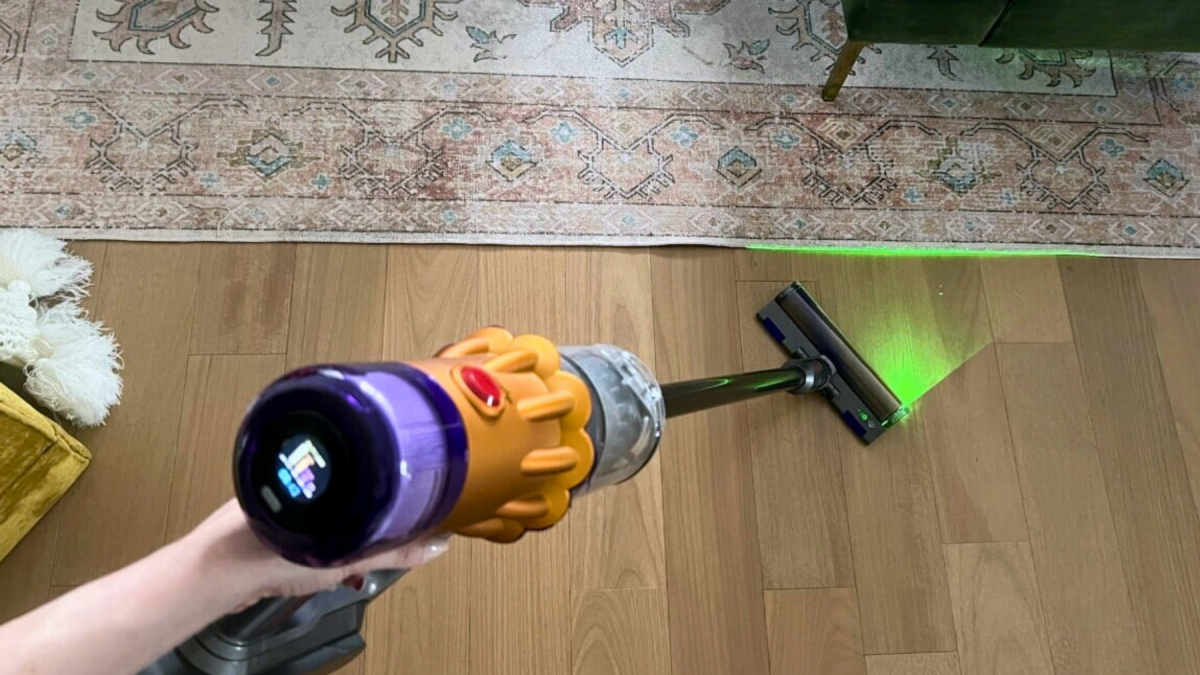
Even if you’re uncertain about the effectiveness of robotic vacuum cleaners, manual vacuuming doesn’t have to feel burdensome. In fact, the most impressive cordless vacuums can make cleaning a surprisingly enjoyable experience. The sheer satisfaction derived from visibly picking up pet hair and creating neat lines on your carpets evokes a sense of joy. The lightweight design allows for effortless maneuverability, enabling you to clean anywhere with just one hand. This delightful freedom is something our dopamine receptors can’t resist, turning the mundane task of cleaning into a rewarding activity.

Why I Prefer Manual Cleaning Over Robot Vacuums
Choosing between a robot vacuum and a cordless vacuum ultimately hinges on your personal cleaning standards: How particular are you about achieving a pristine home environment? Most people can appreciate the allure of having someone else take care of cleaning the floors, but for some individuals, that convenience might not outweigh the cringe factor of seeing a robot vacuum miss a crumb or mistakenly snag a phone charger. Despite the significant advancements in navigational technology and cleaning capabilities over the last five years, even the top-performing robot vacuums of 2025 still fall short of the precision offered by a human-operated cordless stick vacuum.
Moreover, stick vacuums possess a substantial advantage when it comes to accessing hard-to-reach areas. If you want to effectively manage cleaning tasks involving couch cushions, car seats, stairs, or the dusty corners behind furniture, a cordless vacuum is your best bet for flexibility and reach.
As a dedicated fan of Dyson products, I wouldn’t recommend the Dyson 360 Vis Nav robot vacuum
However, your willingness to engage in manual cleaning plays a critical role as well — if you despise the thought of vacuuming so much that you keep postponing it, investing in a robot vacuum might lead to cleaner floors overall. Personally, I maintain both options available at all times, allowing me to argue the merits of each depending on the cleaning scenario. While I wouldn’t want to completely forgo the convenience that robot vacuums offer during hectic times, my instinct often leads me to grab a cordless stick vacuum in most cleaning situations.
After conducting extensive tests on numerous leading vacuum cleaners within my own home, I have identified a select few that I would confidently recommend to anyone seeking efficient cleaning solutions. Here are the best cordless vacuums to consider purchasing in 2025, evaluated on factors such as cleaning performance, maintenance ease, and handheld versatility.
My Experience with Other Cordless Vacuums
I have tested various other vacuum cleaners that didn’t quite make it onto my current recommendation list. Some models, like the Shark Detect Pro with its auto-empty station and the LG All-in-One Cord Zero, were highly recommended at one time, but newer and more powerful models have since emerged that offer better value for your investment.
Additionally, there are several Dyson vacuums from previous years that still attract considerable attention online, but I no longer believe they provide the best return on your investment compared to newer alternatives. The Dyson V8 and the seemingly discontinued Dyson V10 that my parents own tend to push larger debris, like cat food and rocks, around, often leaving behind lingering pet hair on darker rugs. While these models were once powerhouses, you can now find more effective options for around $300, possibly even with automatic emptying capabilities, like the Shark Detect Pro. The only advantage of the older Dysons would be their inclusion of the motorized hair screw tool with the V8 and V10.
I also made the decision to exclude the Dyson V15 Detect Submarine from my list. In its place, the Roborock 2-in-1 cordless mop offers a far superior mopping experience overall. The interchangeable wet roller head that converts the V15 Detect into a mop effectively cuts off airflow to the vacuum’s dust bin, resulting in no genuine wet suction. During my testing, this feature simply pushed liquid around rather than absorbing spills, leading to a cumbersome manual cleaning process that was prone to leaks and unpleasant odors. It just demanded excessive maintenance by hand compared to the self-cleaning capabilities of the Roborock F25 Ace Combo.
Are Robot Vacuums as Powerful as Cordless Options?
I also conduct tests on various robot vacuums at home and have consistently found that cordless vacuums generally outperform them when it comes to tackling elusive debris like pet hair or fine powders, especially when these particles are deeply embedded in rug fibers.
In general, cordless stick vacuums tend to have more powerful suction than robot vacuums. The upright design of a cordless vacuum optimizes airflow and allows for larger motors and complex cyclone systems that enhance suction force. In contrast, a robot vacuum’s motor is constrained by the three to four-inch clearance required for it to navigate beneath furniture. The motor in an upright vacuum is usually separate from the vacuum head and roller brush, offering it more freedom to perform effectively.
From a practical standpoint, a cordless vacuum is less likely to leave debris behind since the user is actively monitoring where suction is needed the most. This includes challenging areas that a robot vacuum may not address, such as staircases or automobiles.
There are specific instances where a robot vacuum could match or even exceed the power of a stick vacuum. For example, in my testing of both the Roborock Saros 10R robot vacuum and the Roborock F25 Ace cordless vacuum, both models delivered 20,000 Pa suction power. However, robot vacuums capable of such power typically fall within the $1,000+ price range, whereas achieving that level of suction in a stick vacuum is often more budget-friendly. Even when both options have similar specifications, the cordless vacuum will likely maintain a higher pickup rate over time simply because the operator can determine when additional passes are necessary.


 Daniel Mercer
 Brandon Fletcher


