David Bridges
LinkedIn is enhancing the user experience for individuals who prefer to use alternate names by facilitating a streamlined verification process. This update allows users to incorporate their real name as a secondary title, which can significantly aid in establishing credibility during the verification procedure.
Approximately 80 million LinkedIn members have already embraced LinkedIn’s voluntary ID verification feature. This option adds a verification checkmark to user profiles, indicating that their identity has been confirmed through government-issued identification verified by an approved third-party service. This initiative provides greater confidence in the authenticity of professional identities on the platform.
Recognizing that not all users utilize their real names online, LinkedIn is expanding its verification process to accommodate these individuals, thereby ensuring inclusivity within its user base. This adjustment reflects a commitment to support diverse naming conventions while enhancing security and trust.
To initiate the verification process, users can now add their legal name as an additional identifier, which will be displayed alongside their LinkedIn profile name. This addition not only aids in verification but also enhances the credibility of the user’s professional online identity.
“Your legal name will appear in parentheses next to your LinkedIn name; however, it will not replace your primary LinkedIn name. Moreover, your legal name will not be visible on public profiles to individuals who are not logged into LinkedIn.”
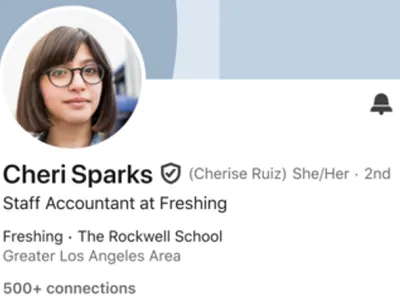
This visual representation illustrates how the additional name appears; the secondary title will be shown in brackets following your screen name. This enhancement provides LinkedIn with another identifier to match against your government documents during the verification process, thereby reinforcing the integrity of your profile.
It’s important to note that while the option to add a secondary profile name has been available for some time, its integration into the verification process is a new development. This change is designed to meet the requirements of LinkedIn’s sophisticated data matching systems, making it easier for users to verify their identities.
Furthermore, LinkedIn has clarified that if a user decides to delete their ID name, both their legal name and the verification status will be removed from their profile. This ensures that users retain control over their identity information and its visibility on the platform.
Additionally, if users opt to include their actual name as a secondary identifier, it will remain hidden from public profiles, ensuring that visitors who are not logged into LinkedIn cannot see this information, nor will it appear in public search engine results. This provides users with peace of mind regarding their privacy.
These features integrate essential privacy protections while simultaneously offering options for users who wish to verify their profiles without revealing their real names publicly. Thus, LinkedIn is creating a more flexible environment for diverse user needs.
While this approach may not accommodate every scenario, it certainly broadens the possibilities and provides more choices for users to engage with LinkedIn’s voluntary verification process. This enhancement reflects LinkedIn’s commitment to fostering a trustworthy and authentic professional networking environment.
For further details on LinkedIn’s account verification options, you can explore more information here.


 Maya Kensington
 Tessa Everly