David Bridges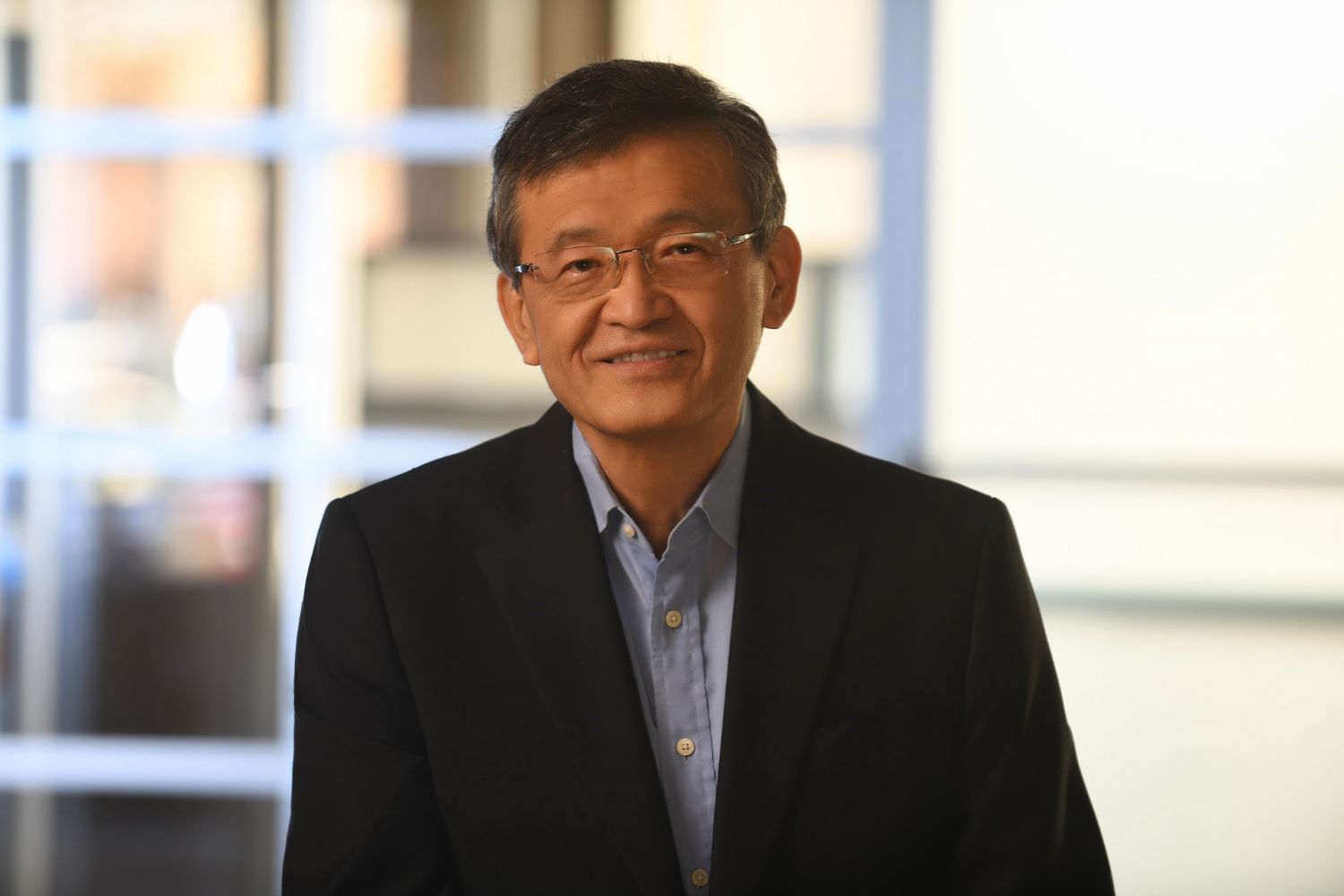
Meet Intel’s New CEO: Lip-Bu Tan’s Vision for Innovation and Growth
Intel has appointed a new chief executive officer, Lip-Bu Tan, who previously served on Intel’s board of directors and is known for his leadership at Cadence Design Systems, a prominent chip software company. Tan is committed to “doubling down” on successful strategies while taking “calculated risks” in areas that need improvement. His leadership style promises to blend a keen understanding of the semiconductor landscape with a fresh approach to innovation, aiming to enhance Intel’s competitive position in the market.

Strategic Goals: Learning from the Past to Shape a Brighter Future
In his inaugural statement, Tan refrained from divulging specific tactics concerning the core strategies of one of America’s leading chip manufacturers. Instead, he emphasized the importance of learning from previous missteps, stating that the current leadership of “New Intel” can gain valuable insights from past experiences. He expressed a strong desire to “restore Intel’s position as a world-class products company,” reflecting a determination to not only compete but excel in the global semiconductor market.
Balancing Customer Delight with Shareholder Expectations
Tan highlighted the dual focus of the company: to “delight our customers” while simultaneously meeting the expectations of its shareholders. This balance is crucial, especially considering that Tan officially assumes his role on March 18, a transition that comes after the previous CEO was ousted by investors and shareholders due to performance concerns. This strategic focus on stakeholders signals a renewed commitment to both customer satisfaction and financial performance under Tan’s leadership.
Transition of Leadership: A New Era After Gelsinger’s Tenure
Tan steps into this pivotal role following the departure of Pat Gelsinger, who “retired” in December amid a series of stock declines and product release issues. In the interim, David Zinsner and Michelle “MJ” Johnston Holthaus briefly took charge but will return to their original roles as CFO and CEO of Intel Products, respectively. Gelsinger, who joined the company in early 2021, had ambitious plans to transform Intel into a “foundry” capable of producing chips for both its designs and external clients.
Future Opportunities: Capitalizing on Government Support and Industry Challenges
Intel is set to receive significant funding, approximately $7.86 billion, from the Biden administration as part of the CHIPS Act, which aims to bolster domestic semiconductor manufacturing. Tan’s vision for Intel includes maintaining its status as a “world-class foundry.” However, this goal faces challenges, particularly with the postponement of the $20 billion semiconductor factory in Ohio until 2030. This delay raises questions about Intel’s ability to keep pace with the rapidly evolving industry landscape.
Will Tan Continue Gelsinger’s Unconventional Leadership Style?
It’s unclear if Tan will adopt the same unconventional approach as Gelsinger, who was known for his energetic and sometimes theatrical presentations. Gelsinger famously performed 10 burpees live during a launch event for the company’s 13th-gen Raptor Lake CPUs. In 2024, amid criticism for Intel’s slow response to the booming AI industry, he even resorted to posting Bible verses online to alleviate investor concerns. Tan’s leadership style may differ significantly, focusing more on engineering excellence and less on public spectacle.
Addressing Chip Instability: Challenges Facing Intel’s Latest Releases
The previous CEO was a prominent figure during a scandal surrounding chip instability issues, notably with the 13th and 14th-gen CPUs. Intel faced additional setbacks with its recent Arrow Lake desktop CPUs, which received mixed reviews highlighting performance issues compared to the leading 14th-gen models. The anticipation surrounding the newly revealed Arrow Lake chips for mobile devices is palpable, as many are eager to see if these innovations will enhance performance for this year’s lineup of high-end gaming and productivity devices.
Engineering Excellence: A Commitment to Innovation at Intel
Tan has expressed a desire for Intel to evolve into an “engineering-focused company.” This commitment signals a potential shift towards prioritizing research and development, which could result in groundbreaking advancements from one of the world’s most prolific chipmakers. By fostering an environment of innovation and technical excellence, Tan aims to reinvigorate Intel’s product offerings and strengthen its position in the competitive semiconductor industry.


 Brandon Fletcher
 Daniel Mercer