David Bridges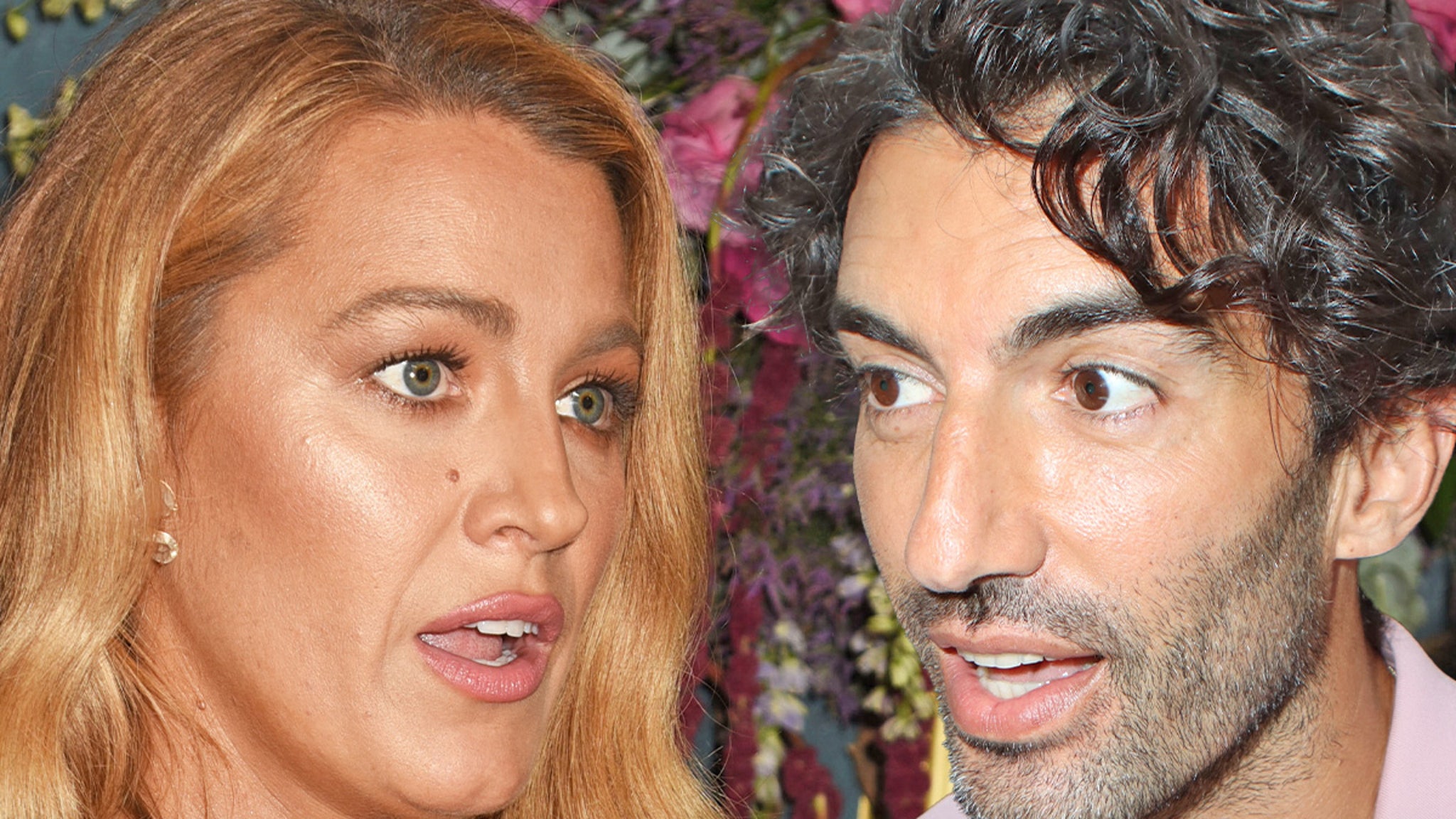

Blake Lively
Files Amended Complaint Against Justin Baldoni …
Allegations of Uncomfortable Behavior: More Voices Join the Call
Published February 19, 2025 4:48 AM PST
In her latest court filing, Blake Lively has made serious allegations against Justin Baldoni, claiming that he not only sexually harassed her but also made two additional women feel “uncomfortable” during the filming of “It Ends With Us.” These women have reportedly expressed their willingness to testify against Baldoni, adding weight to Lively’s claims as the case progresses through the legal system.
On the evening prior to this announcement, Blake officially submitted an amended complaint to her initial lawsuit against Baldoni. This updated document contains new allegations that further damage Baldoni’s reputation, presenting a clearer picture of the troubling experiences faced by Lively and the other women involved during their collaboration on the film, which was produced by Sony and Wayfarer starting in 2023.
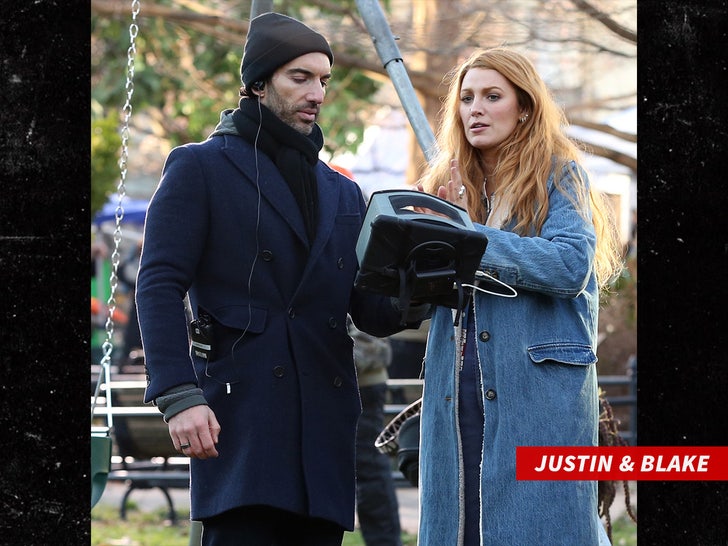
Within the extensive 141-page document, Blake emphasizes that she was “not alone” in voicing concerns about Baldoni’s conduct. She highlights that multiple women raised similar complaints regarding his behavior while working on the project. This collective testimony could play a crucial role in shaping the narrative of the case and potentially influencing the court’s perception of Baldoni’s actions on set.
Blake asserts that Baldoni “acknowledged the complaints in writing at the time,” which contradicts his current claims that these allegations are unfounded. Lively argues that Baldoni was aware that other women, besides herself, felt uncomfortable and had previously lodged complaints regarding his behavior. This discrepancy raises questions about his integrity and the measures he took to address such serious concerns during filming.

TMZ.com
Additionally, Blake states that these unnamed women granted her “permission to share the substance of their communications” and that they are prepared to testify and provide relevant documents during the discovery phase of the trial. This cooperation among the women not only strengthens Lively’s case but also highlights the importance of solidarity in addressing workplace misconduct.
Furthermore, Blake reveals that one female cast member took the initiative to report her concerns directly to Sony’s Ange Gianetti and a producer after Lively had already voiced her grievances to the film’s executives. This action demonstrates the growing awareness and urgency surrounding the issues of harassment and misconduct in the entertainment industry, as individuals are becoming increasingly willing to speak out against inappropriate behavior.
Blake outlines that this female cast member had significant reservations about coming forward with her concerns. However, she ultimately decided to share her experiences, feeling that the film was “suffering as a result of Mr. Baldoni’s behavior.” Gianetti, according to Blake, “shared those concerns with Wayfarer,” indicating a potential opening for further investigations into the matter.
Blake asserts that Baldoni communicated via email with the concerned female cast member, acknowledging her worries and stating that “adjustments would be made.” However, despite this acknowledgment, Wayfarer “took no actions to investigate this reported conduct, nor did it implement any protections at that time.” This lack of action raises questions about the accountability of the studio and the seriousness with which they regard allegations of misconduct.
In her statements, Blake mentions that the same female cast member expressed to her significant concerns about the on-set conditions, emphasizing that it was “really hard” to communicate with Baldoni. This testimony further illustrates the challenging environment created by Baldoni’s behavior and reinforces the need for an investigation into the working conditions on set.
Continuing her account, Blake reveals that another female cast member confided in her about feeling uneasy during their time on set. This cast member’s concerns were documented in writing nearly a year before the film editing began, showcasing a timeline of issues that had been present for a significant duration and warranting serious attention.
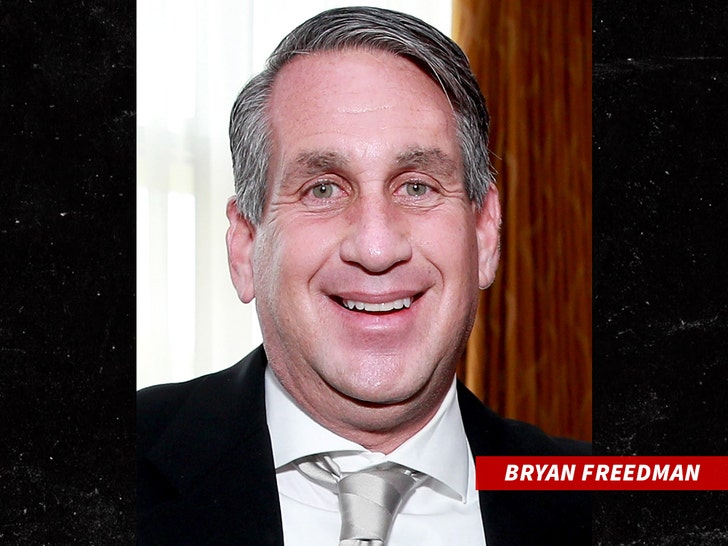
Moreover, the legal representatives of Blake, Esra Hudson and Mike Gottlieb, have introduced a defamation claim within the amended complaint. They accuse Baldoni’s attorney, Bryan Freedman, of disseminating “inflammatory content to media outlets” while “saying anything, whether true or false that will harm Ms. Lively’s credibility and intimidate others from speaking up on her behalf.” This highlights the intense battle of narratives taking place in the media.
In the original lawsuit, Blake accused Baldoni of serious offenses including sexual harassment, orchestrating a campaign to tarnish her reputation, and inflicting mental anguish, severe emotional distress, and loss of earnings. These allegations paint a troubling picture of the work environment and raise critical questions about the responsibility of those in power.
In response to these allegations, Baldoni has initiated his own legal actions against Blake and several others, asserting claims of defamation and damage to his public image in the media. This counteraction indicates the escalating tensions between the parties involved and the complexity of the ongoing legal battle.
We have reached out to Baldoni for his perspective on Blake’s amended complaint, but as yet, we have not received a response. His silence adds another layer of intrigue to this unfolding legal drama.
[ad_2]


 Sophie Langley