David Bridges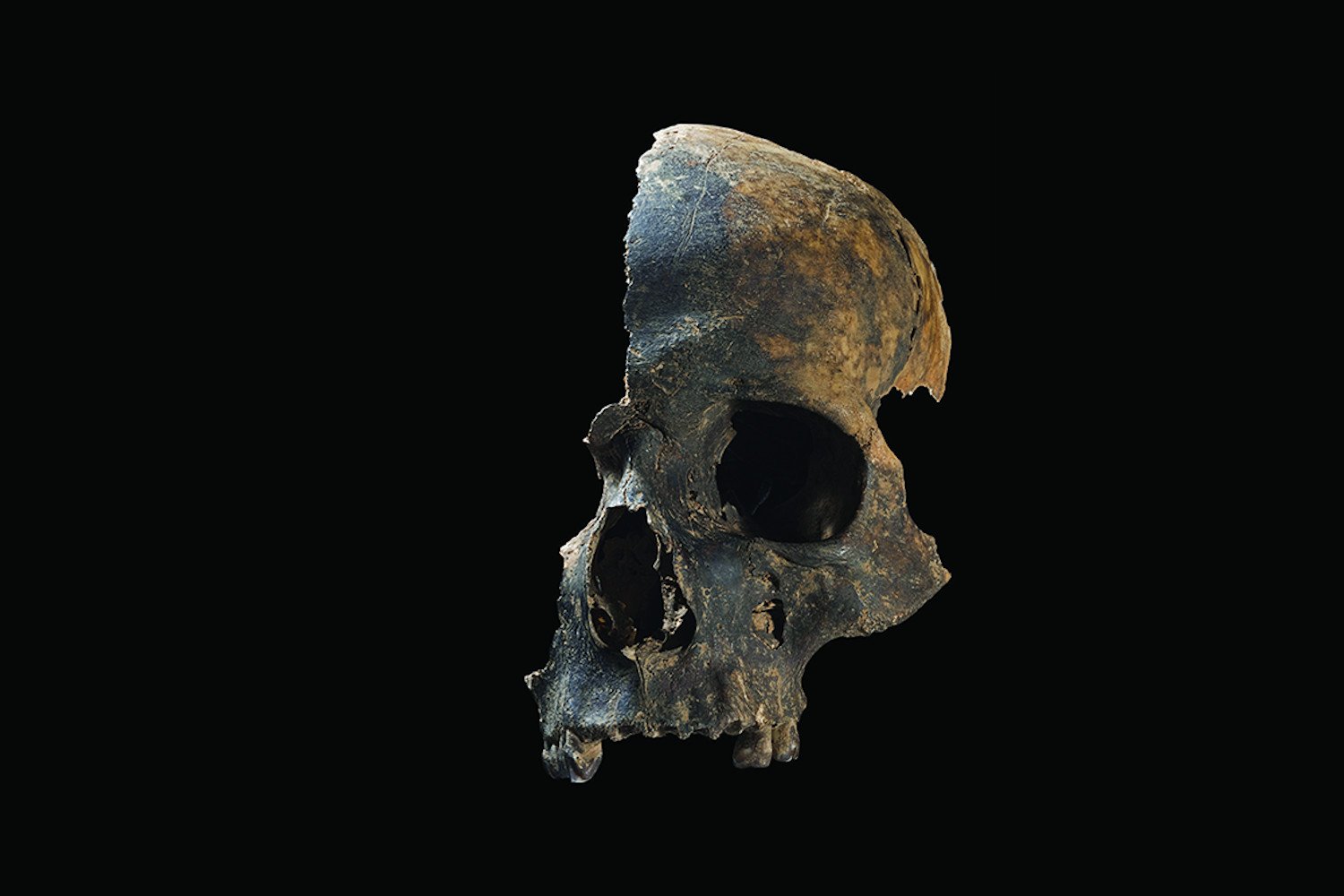

In the 1970s, archaeologists made a groundbreaking discovery when they unearthed prehistoric human remains from a deep underground shaft located in Somerset, England. The true story of what transpired among these men, women, and children has only recently come to light, revealing a dark chapter in British prehistory.
Recent investigations by archaeologists across the UK and Europe have examined the Early Bronze Age remains of 37 individuals, uncovering evidence of a shocking massacre. Their findings, published in the esteemed journal Antiquity, provide critical insights into the largest known occurrence of interpersonal violence in Britain before recorded history. This research challenges the long-held belief that the Early Bronze Age in Britain, spanning approximately 2500 to 1200 BCE, was a time characterized by peace and harmony.
The remains, comprising over 3,000 bones and fragments, were previously located in a 49.2-foot-deep (15-meter-deep) shaft at an archaeological site known as Charterhouse Warren in Somerset. The victims, including men, women, and children, are believed to represent a single community who suffered brutal deaths, were butchered, and possibly cannibalized before their remains were discarded into the shaft.
Under the leadership of Rick Schulting from the University of Oxford, the research team discovered significant signs of blunt force trauma to the skulls of the victims, alongside fractures dated to the time of death and cut marks likely indicative of defleshing. These findings strongly suggest that the acts of butchering and cannibalism were deliberate and premeditated, as noted in the research study.
When examining the potential motivations behind the cannibalism, the researchers dismissed both funerary rituals and hunger as plausible reasons. The violent circumstances surrounding these deaths indicate that the individuals likely did not anticipate the attack, as there is no evidence of a struggle. Additionally, the presence of cattle bones within the same shaft suggests that food was not scarce at the time. This raises the question: what could have compelled such a brutal and shocking act of prehistoric violence?

According to the researchers, cannibalism may have served as a means to “other” the deceased, as stated in an email to Gizmodo regarding their findings in Antiquity. They suggested that by consuming the flesh and mixing the bones with animal remains, the perpetrators were dehumanizing their enemies by equating them with animals, thereby stripping them of their humanity.
However, this explanation does not fully account for the overarching motivations behind the violence itself. At that time, Britain was not undergoing significant climate change or any other crises that could have led to competition for resources, as indicated in the study. Moreover, there is no genetic evidence pointing to ethnic conflicts during this period.
The researchers propose that social dynamics likely fueled the conflict, possibly triggered by offenses such as theft or insults. Additionally, evidence of plague found in the teeth of two children in prior research may have exacerbated existing tensions within the community.
“Ultimately, the findings paint a picture of a prehistoric people for whom perceived slights and cycles of revenge could result in disproportionately violent actions. This situation is, unfortunately, familiar from more recent times,” the researchers noted in their analysis.
While direct evidence of violent conflict in Britain between 2500 and 1500 BCE remains limited, the discovery of this massacre fundamentally challenges the notion that the era was relatively peaceful.
“It paints a considerably darker picture of the period than many would have expected,” Schulting remarked. “Charterhouse Warren is one of those rare archaeological sites that challenges the way we think about the past,” he added, emphasizing the importance of sharing this story, especially since it may not have been an isolated incident.
“At this stage, our investigation has raised as many questions as it has answered. Work is ongoing to shed more light on this decidedly dark episode in British prehistory,” the researchers concluded.
Though we cannot change the course of obscure prehistoric atrocities, perhaps we can glean valuable lessons not only from history but also from prehistory to prevent our own cycles of revenge from spiraling out of control.


 Brandon Fletcher
 Daniel Mercer