 David Bridges

Brianna LaPaglia‘s split from Zach Bryan has taken a dramatic turn as she reveals shocking allegations of emotional abuse that allegedly occurred throughout their relationship. These serious claims highlight a troubling power dynamic, suggesting that the country star’s behavior may have inflicted deep psychological scars. As discussions about mental health and emotional well-being gain prominence, these revelations could significantly impact public perception and conversations surrounding celebrity relationships.
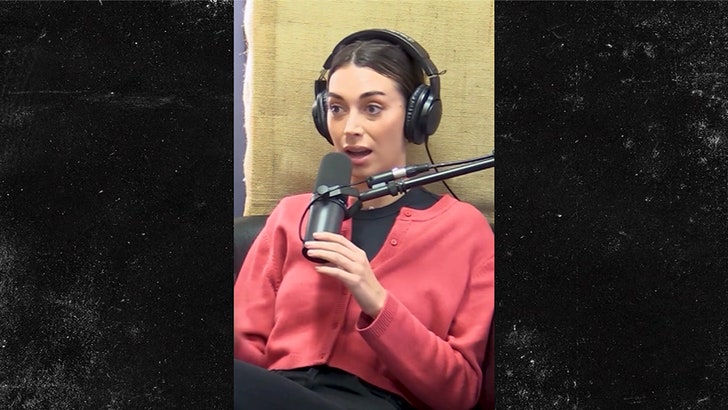
On Thursday’s episode of “BFFs,” the popular Barstool Sports podcast, LaPaglia opened up about the tumultuous nature of her breakup with Bryan. She didn’t hold back, making serious accusations against the “Something In The Orange” singer while candidly discussing her personal experiences. Her revelations not only shed light on her emotional turmoil but also raise critical questions about the responsibilities of public figures in their private lives. This episode has sparked conversations about the hidden struggles many face in the shadows of fame.
BFFs / Barstool Sports
During her candid discussion with cohosts Dave Portnoy and Josh Richards, LaPaglia revealed the extent of her distress, claiming that Bryan made her life “hell” since their relationship began in 2023. She emphasized that even after their breakup, which has only recently occurred, she continues to feel a sense of fear towards him. This ongoing emotional struggle highlights the profound impact that toxic relationships can have on an individual’s mental health and underscores the need for support and understanding in such situations.
Reflecting on her past year, LaPaglia described it as the most challenging period of her life, stating, “like, dealing with the abuse from this dude.” Her confession reveals the lasting psychological effects of emotional abuse, as she expressed ongoing fears that continue to haunt her. She conveyed that her mental state has been “re-wired” due to the trauma, illustrating the long-term consequences of abusive relationships. Such candid admissions serve to raise awareness about the often hidden struggles faced by survivors of emotional and psychological abuse.
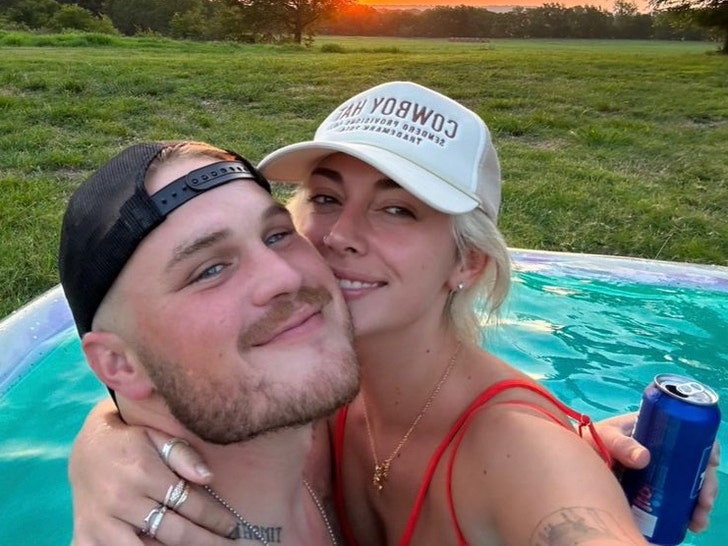
In a surprising twist, LaPaglia suggested that Bryan made a recent attempt to silence her by offering cash, implying an urge to buy her silence regarding their tumultuous relationship. This allegation raises serious ethical questions about accountability and the lengths to which individuals may go to protect their public image. Such tactics are often seen as manipulative and can perpetuate further emotional harm, complicating the healing process for those involved.
LaPaglia’s statements were pointed when she remarked, “You made the women before me believe that they had no other choice than to take money from you.” This assertion emphasizes the manipulative dynamics often present in abusive relationships, where victims may feel coerced into silence. She expressed her frustration at how Bryan can seemingly continue his career with little consequence while those affected bear the emotional burden of their experiences. This highlights a broader societal issue regarding the treatment of survivors and the importance of addressing these power imbalances.
Expressing her determination not to be defined by her past, LaPaglia declared, “I don’t want in two years to buy a f*ing house and think, ‘Oh, this is the money from the dude that literally f*ing destroyed me and broke me for a year.’” Her refusal to accept financial compensation from Bryan signifies a powerful stance against the normalization of emotional abuse and the commodification of trauma. This decision underscores the importance of reclaiming one’s narrative and healing from past wounds without being tied to the pain inflicted by another.
LaPaglia firmly stated that her rejection of Bryan’s apparent NDA offer was not motivated by a desire to publicly expose him. Instead, she emphasized that she simply didn’t want to sign away her experiences and the pain she endured to protect someone who hurt her. This perspective highlights the complexities surrounding non-disclosure agreements in abusive relationships and the ethical dilemmas they often present for survivors seeking justice and healing.
LaPaglia’s strong comments reflect her resilience as she asserted, “I’m a lot stronger than a weak man.” Her repeated declarations of defiance against Bryan emphasize her refusal to be a victim of his manipulations any longer. This empowerment resonates deeply, encouraging others who have faced similar situations to reclaim their strength and challenge the narratives imposed upon them by their abusers. Such empowerment is essential in the journey towards healing and overcoming emotional turmoil.
As of now, Bryan has not publicly commented on the serious allegations made against him by LaPaglia. This silence raises questions about accountability and the potential impact of public perceptions on his career moving forward. The lack of response can also indicate the complexities involved in addressing accusations of this nature, particularly in the entertainment industry where public image can often overshadow personal accountability.


 Maya Kensington