 Brandon Fletcher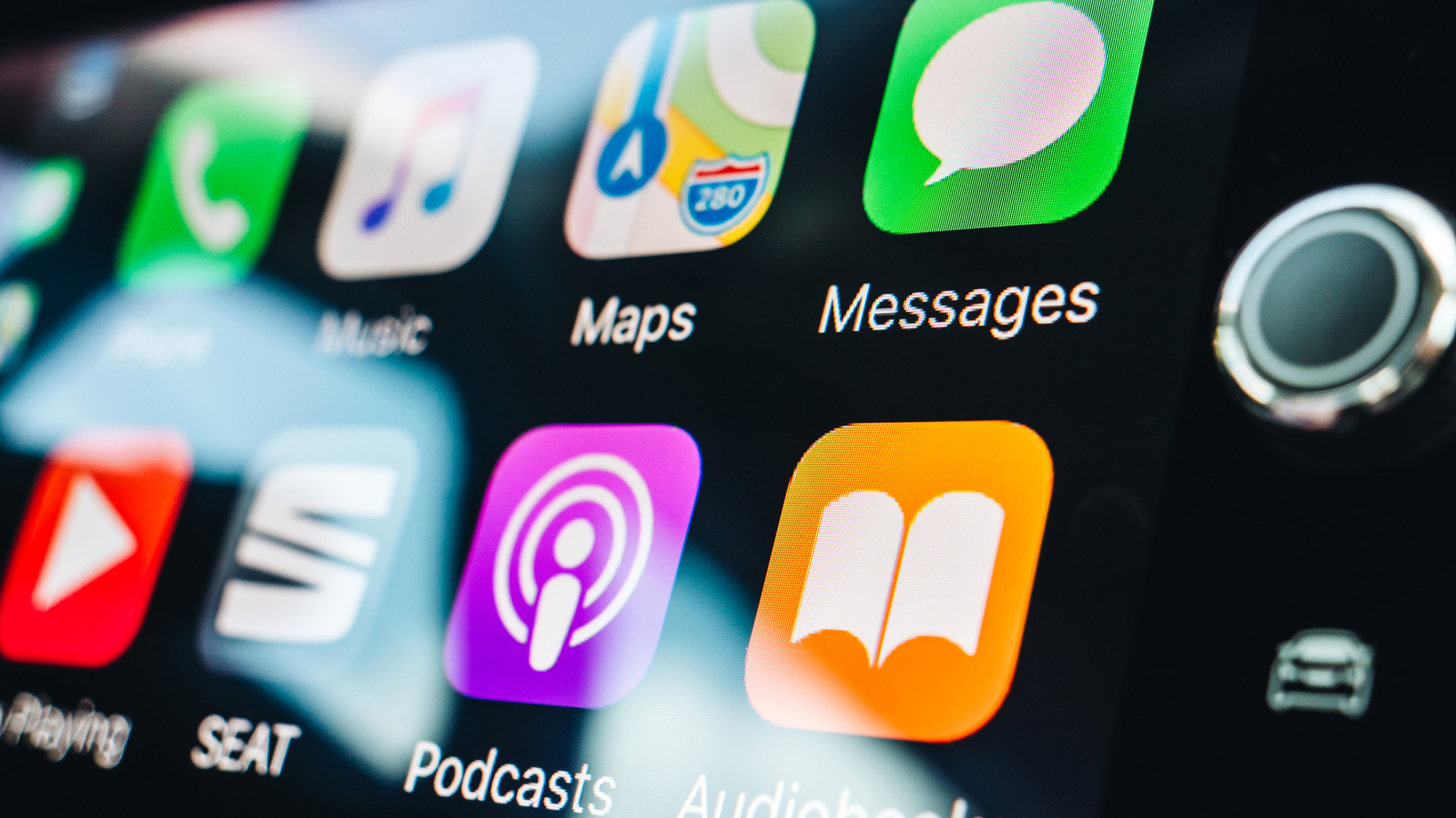

Bluetooth facilitates initial pairing and reconnection, while Wi-Fi manages the ongoing connection.
Wireless CarPlay relies on both Bluetooth and Wi-Fi, but each serves a distinct purpose. Bluetooth is essential for your iPhone and car to locate each other, facilitate pairing, and reconnect. In contrast, Wi-Fi is responsible for transmitting the active CarPlay session, which includes audio, video, and control data, as well as audio from phone calls.
How Does Bluetooth Initiate and Reconnect Wireless CarPlay?
In the initial wireless setup, Bluetooth is responsible for pairing the iPhone with the car. Once paired, the car provides the necessary information for the iPhone to connect to its Wi-Fi network, allowing CarPlay to operate over this connection. After establishing the Wi-Fi session, the car disconnects from Bluetooth.
On subsequent drives, Bluetooth plays a crucial role again. The car can utilize the previously saved Bluetooth pairing to locate the iPhone and initiate the wireless connection. If a CarPlay session is interrupted and Wi-Fi fails to reconnect promptly, Bluetooth can assist in reestablishing the connection.
There are multiple methods to complete the initial setup. If your vehicle supports both wired and wireless CarPlay, connecting via USB can facilitate pairing before enabling wireless connections for future drives. If you prefer a wireless setup without cables, Apple advises ensuring that both Bluetooth and Wi-Fi are activated, placing the car in pairing mode, and selecting the vehicle under Settings > General > CarPlay.
What Role Does Wi-Fi Play in the Active CarPlay Session?
Once CarPlay is active, Wi-Fi takes over the essential tasks for the dashboard. It transmits the audio, control data, and video required to display the CarPlay interface on the vehicle’s screen.
This includes functionality typically associated with Bluetooth, such as phone calls. During an active Wireless CarPlay session, Apple specifies that phone call audio is also transmitted over Wi-Fi, eliminating the need to revert to standard Bluetooth audio.
For optimal performance, Apple recommends using 5GHz Wi-Fi for wireless CarPlay, as it provides more channels and generally experiences less congestion compared to 2.4GHz. it is important to note that 2.4GHz implementations are still acknowledged in Apple’s technical documentation.
Can You Use Wireless CarPlay Without a Separate Internet Connection?
This distinction can lead to confusion regarding the frequent question, “Is a separate Wi-Fi network necessary for wireless CarPlay?”
If you are considering turning off Wi-Fi on your iPhone, the answer is no. It is crucial to keep Wi-Fi activated and ensure that Auto-Join is enabled for the CarPlay network. this does not require the car to connect to your home Wi-Fi, a public network, or a separate hotspot for Wireless CarPlay to function. Instead, the vehicle establishes a local wireless connection for communication with the iPhone. This Wi-Fi link is separate from any internet access the vehicle may offer.
How Do Wired CarPlay and Wireless Adapters Differ in Connection?
Wired CarPlay transmits the CarPlay session through a USB connection rather than relying on the vehicle’s Wi-Fi. This method helps avoid the potential interference associated with wireless connections, yet Apple does not claim that wired CarPlay provides a significantly superior experience.
The primary difference is straightforward: Wired CarPlay requires a physical cable, while Wireless CarPlay allows the phone to remain in your pocket or bag.
A wireless CarPlay adapter introduces another layer of connection. These devices typically cater to cars that already support wired CarPlay. They plug into the USB port designed for the iPhone and act as a wireless intermediary between the phone and the car.
It is essential to note that a wired-to-wireless adapter does not generally enable CarPlay in vehicles that do not already support it. Instead, it converts an existing wired CarPlay connection into a wireless one. Compatibility and functionality may vary by adapter, so it is advisable to verify that your specific vehicle or head unit is compatible before purchasing an adapter.

 Daniel Mercer
 Ethan Carter