David Bridges

Google has released its annual compilation of the most searched terms, offering a captivating glimpse into the year’s most pressing topics as reflected by user queries. This summary not only highlights popular interests but also sheds light on societal trends that shaped public curiosity throughout the year.
While many of the trends align with expectations, examining what captivated public attention this year can inspire future marketing strategies. By understanding these trends, businesses can tailor their approaches to resonate better with their target audience, leveraging insights from the past to predict and influence future behavior.
The annual listing, which is accessible for “Global” searches as well as by specific geographical regions, reveals the most Googled global events and notable individuals of 2024. This comprehensive overview allows marketers and researchers to gauge the collective interests and concerns of internet users worldwide.
While the results might not be shocking, it is intriguing to observe the stark differences in public interest between sports and politics. For example, the immense popularity of cricket, particularly in India—where it is often viewed as a religion—stands out, even though no cricket players made it to the top five in the “People” category. This contrast invites further exploration into the cultural implications and marketing opportunities surrounding these interests.
The broader implications of climate change consistently emerge in the “News” listings, reflecting a growing public awareness and concern about environmental issues. This trend indicates a shift in societal priorities, making it vital for businesses to adapt their messaging and strategies in alignment with these pressing global challenges.
In addition to global events, Google has also provided insights into entertainment trends, encompassing popular songs, blockbuster movies, and hit TV shows of the year. This information can serve as a valuable resource for content creators and marketers looking to engage audiences through relevant cultural references and themes.
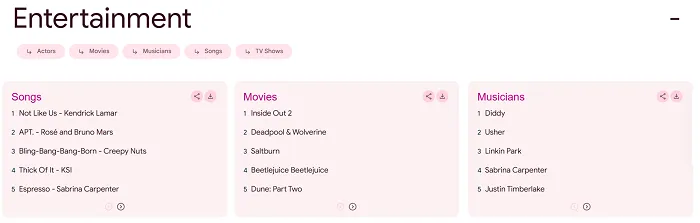
Interestingly, it appears that Diddy’s rise in searches is likely not due to a resurgence in his music career, suggesting that public interest may stem from other facets of his life or recent events that have captured media attention. This highlights the complex nature of celebrity culture and its influence on search trends.
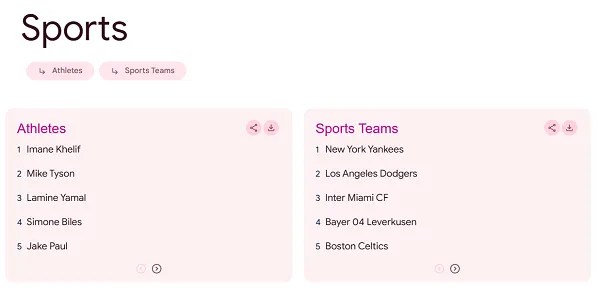
There are also significant trends emerging in sports, gaming, and various other categories, pointing towards evolving interests among consumers. These insights can provide marketers with a clearer picture of where to focus their efforts and resources for maximum impact.
In a fascinating twist, Google has also shared a list of the most “Hummed to Google” songs of the year. This feature, known as Hum to Search, allows users to identify songs by humming, showcasing how technology is increasingly intertwined with everyday life and entertainment preferences.
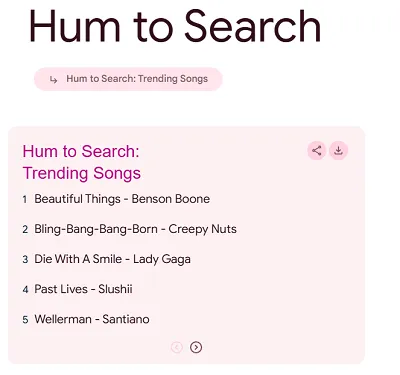
This innovative feature, introduced back in 2020, is gaining traction as more users discover its utility. Google’s emphasis on the songs that captured public attention demonstrates the platform’s commitment to enhancing user experience by addressing the evolving ways people interact with music and search technology.
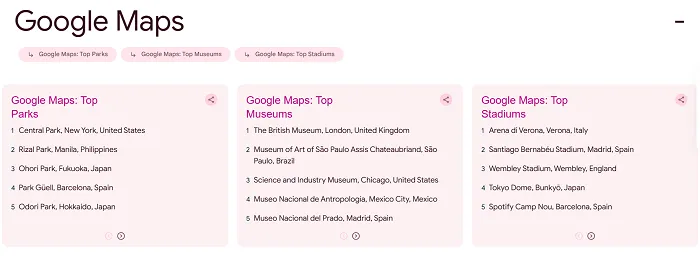
Additionally, there is a comprehensive listing of trending locations based on Google Maps, providing further insights into consumer behavior and travel interests. This data can be crucial for businesses looking to engage with local markets and understand geographic trends.
Another noteworthy trend to emerge from this year’s data involves innovations in search technology and user interaction:
“This year, people searched in new and more effortless ways. When people used Lens and Circle to Search, they most often used it for translation, shopping, and identifying things. They also combined the phrase “how to use” with their visual searches, using our multimodal technology to search using both text and images at once – gaining a deeper understanding of what they saw or needed help with.”
There’s always a question as to how many people are actually using Google’s alternate Search options, like voice search, over time, and this provides some additional insight into actual adoption and usage of alternate search methods. Monitoring these trends is crucial for understanding shifts in consumer behavior.
It’s also important to note that Google has not released any official data on the use of voice search since 2016, when it reported that 20% of searches in the Google app were conducted via voice. This absence of more recent data leaves a gap in understanding how voice search has evolved in the current digital landscape.
Google’s 2024 Search Trends overview also includes detailed regional breakdowns, offering specific insights for U.S. users, including data for 200 U.S. metropolitan areas.
This comprehensive overview acts like a time capsule, reflecting the topics that drove public interest throughout the year. As time goes on, we can look back at these Google lists to trace the significant issues and cultural phenomena that have shaped our society.
You can explore Google’s “Year in Search” hub here.



 Maya Kensington
 Troy Sanders