 Brandon Fletcher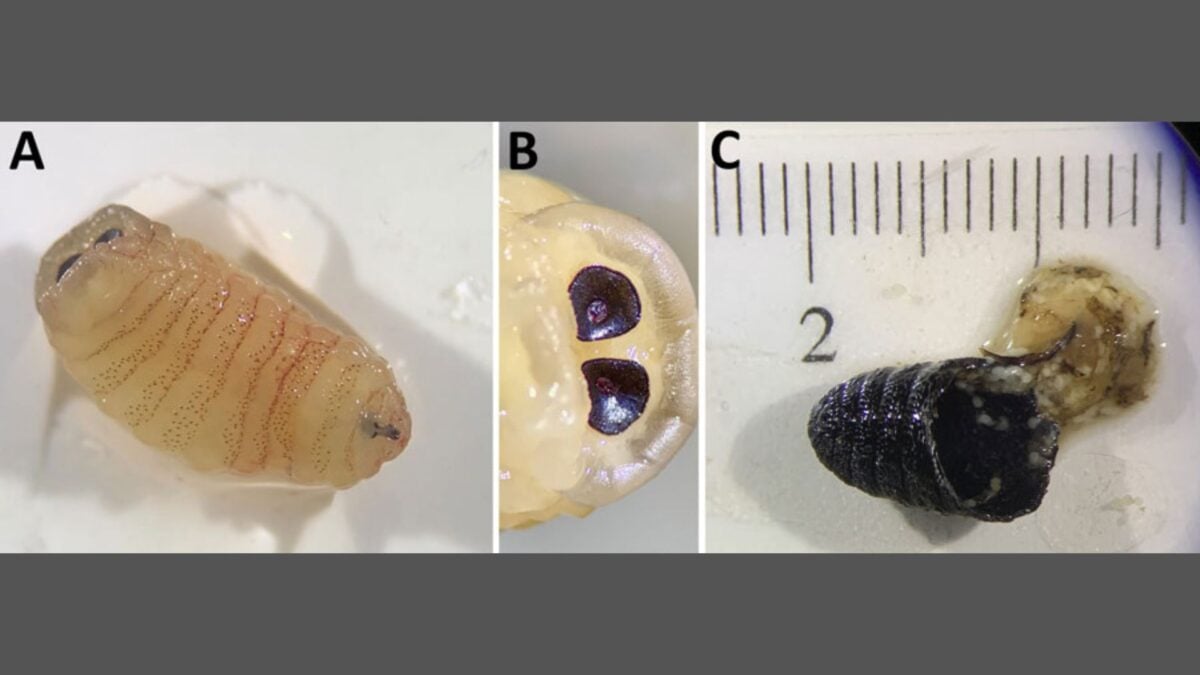

Sheep bot flies are a type of parasitic insect because they can infest mammals, including humans, which matters for public health awareness. Understanding these infestations helps individuals recognize symptoms and seek timely medical attention.
At SocialSchmuck, we specialize in social media, entertainment, and technology news, helping curious readers achieve informed awareness. Our content aims to educate and entertain, ensuring our audience stays updated on unusual health cases and trends.
We monetize our platform through advertising partnerships and sponsored content, providing valuable insights into the latest viral stories and health phenomena. This guide covers the remarkable case of a woman who sneezed out maggots, the biology of sheep bot flies, and the implications for human health.
- The woman’s case of maggot infestation
- Biological characteristics of sheep bot flies
- Implications for human health and evolution
- Comparison of human and sheep infestations
- Recommendations for healthcare professionals
What happened to the woman who sneezed out maggots?
In a shocking report published in the journal Emerging Infectious Diseases, a 58-year-old woman from Greece experienced a horrifying incident. After working outdoors near a sheep field, she developed severe symptoms, including jaw pain and coughing fits. Eventually, she sneezed out 10 maggots from her nasal cavity.
Doctors confirmed that these were larvae of the Oestrus ovis, commonly known as the sheep bot fly. The woman received treatment with nasal decongestants and made a complete recovery, highlighting the importance of medical intervention.
How do sheep bot flies infest humans?
Sheep bot flies typically infest sheep by laying larvae in their nostrils. These larvae migrate to the sinuses, where they grow and eventually exit through sneezing. Human infestations are rare, but this case is particularly unusual because it involved a pupated larva.
As of 2026, this is the first documented case of a pupated O. ovis found in a human, raising questions about the biological plausibility of such an event. The woman’s deviated septum may have created conditions conducive to this rare occurrence.
What makes this case “biologically implausible”?
Experts describe this case as “biologically implausible” because human sinuses usually do not provide the right environment for larvae to pupate. The woman’s unique nasal structure and heavy infestation may have contributed to this rare event.
There are concerns that this case could indicate an evolutionary adaptation of the O. ovis to complete its life cycle in humans. This possibility poses significant implications for public health and requires further investigation.
What should healthcare professionals know?
Healthcare providers in endemic areas must be aware of the potential for Oestrus ovis infestations in humans. Increased awareness can lead to timely diagnosis and treatment, preventing complications.
More cases and data are needed to understand how such infestations occur. This case serves as a reminder to remain vigilant about unusual health issues, especially those linked to animal interactions.
- Recognize symptoms of nasal infestations
- Seek immediate medical attention for unusual symptoms
- Educate communities about potential risks
- Monitor changes in parasitic behavior
- Document and report unusual cases


 Daniel Mercer