Daniel Mercer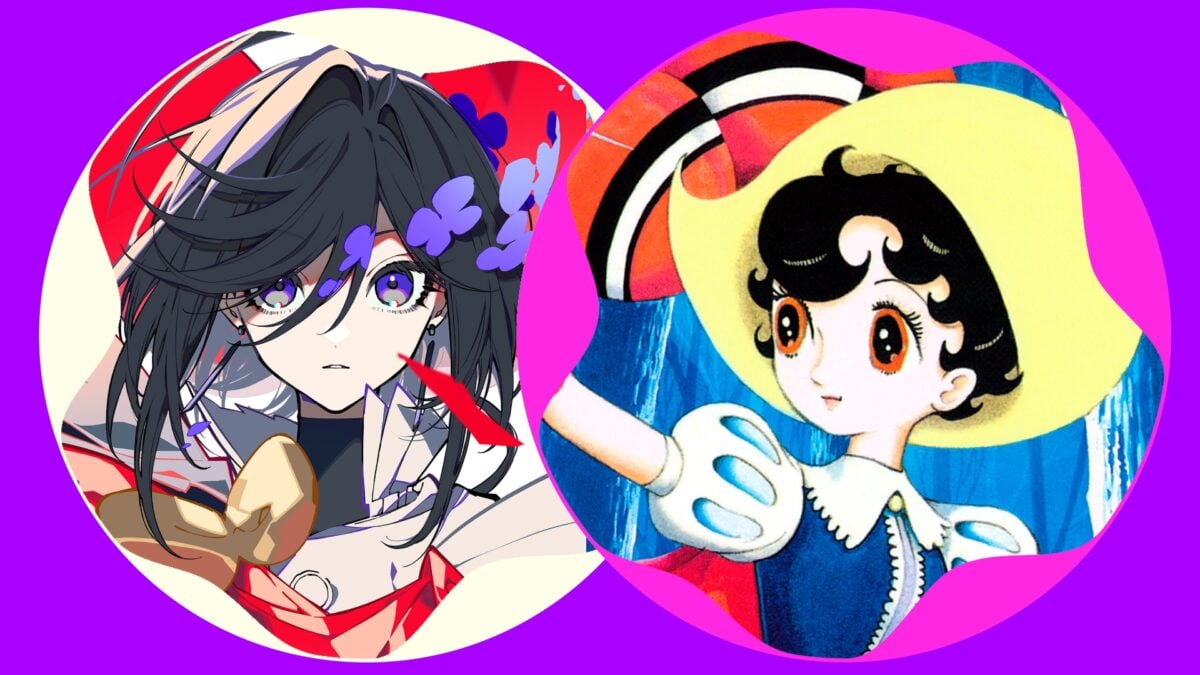

Netflix is set to release an exciting new anime film titled The Ribbon Hero. This film draws inspiration from Osamu Tezuka’s iconic manga, Princess Knight. While the two works may look quite different at first glance, the connection is intriguing and has me genuinely excited for what’s to come.
If you’re wondering, “Who is Osamu Tezuka?” let me enlighten you. If you have even a passing interest in animation, manga, or anime, you are already influenced by his work, whether or not you recognize his name. As the “Godfather of Manga,” Tezuka is the mastermind behind beloved creations such as Astro Boy, Black Jack, and Kimba the White Lion. His legacy inspires countless artists and writers, including notables like Akira Toriyama of Dragon Ball, Masamune Shirow from Ghost in the Shell, and Hayao Miyazaki of Studio Ghibli fame.
This year marks what would have been Tezuka’s 100th birthday, and his lasting impact on the anime industry is being highlighted for a new generation through the upcoming film from Studio OUTLINE, which is based on his 1953 manga Princess Knight. Fans can look forward to its premiere on Netflix this August.
The Ribbon Hero tells the story of a “cursed” princess named Sapphire. She embarks on a quest to confront her past traumas while defending her kingdom from dangerous creatures threatening her people. Along the way, Sapphire undergoes a delightful magical girl transformation, forges lasting friendships, and battles adversaries with the help of her magical ribbon. While this setup might seem like typical anime fare, the aesthetic diverges significantly from its source material, leaving some fans of Tezuka’s original work feeling uncertain.
To illustrate, here’s what the Princess Knight manga looks like:
In contrast, here are the character designs for The Ribbon Hero:
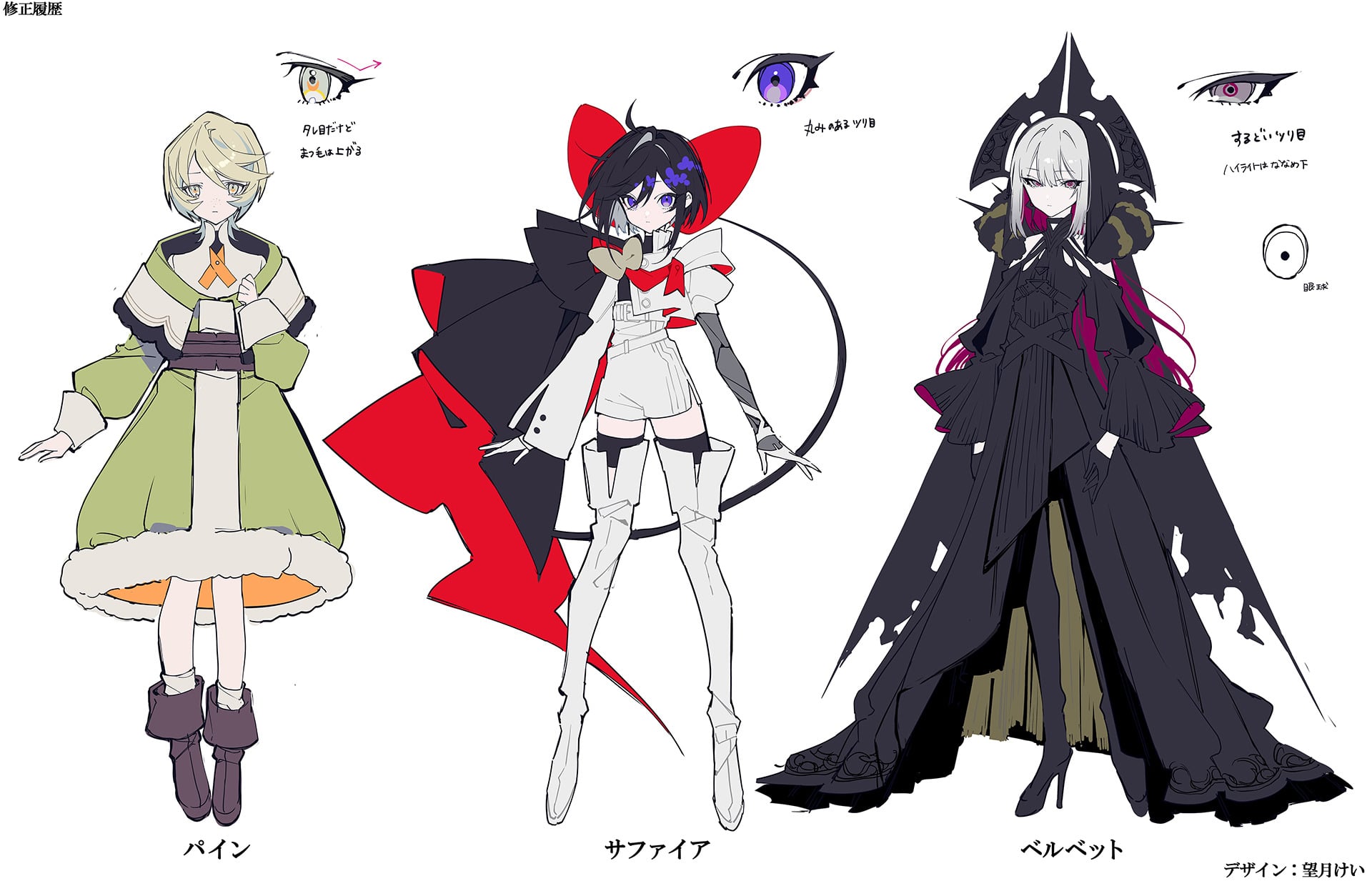
These differences in visual style have stirred mixed reactions among fans of Tezuka’s original manga, especially after an official visual for The Ribbon Hero was shared on the film’s X/Twitter account. Many expressed their concerns about the modernized look and how it strays from the classic manga aesthetic. This stylistic shift can be attributed largely to the talented team at OUTLINE, particularly character designers Kei Mochizuki (Fate/Grand Order) and Mai Yoneyama (Cyberpunk: Edgerunners, Lazarus). The film marks the directorial debut of Yuki Igarashi, known for his work on Attack on Titan, Jujutsu Kaisen, and Mobile Suit Gundam GQuuuuuuX. Igarashi understands the weight of expectations surrounding OUTLINE’s fresh take on a cherished classic.
In an interview with Netflix, Igarashi expressed, “For this film, I poured in my respect for Osamu Tezuka, the creator of Princess Knight; for Ichizo Kobayashi of the Takarazuka Revue, which lies at the root of the work; and for the supreme, classic entertainment they brought into the world. They also created their works while overcoming hardships such as infectious diseases and war, and those works became the very foundation of our culture. To everyone living in this era, I hope you enjoy this blood‑stirring, heart‑pounding piece of what I believe is ‘true’ mainstream entertainment.”
What are the key differences between the narratives of Princess Knight and The Ribbon Hero, beyond their visual styles? After diving into Kodansha’s omnibus edition of Princess Knight and analyzing it alongside the trailers for The Ribbon Hero, I can identify several significant contrasts. unlike many adaptations that veer off course, The Ribbon Hero seems poised to honor the essence of Tezuka’s narrative while establishing its own identity, which is genuinely exciting.
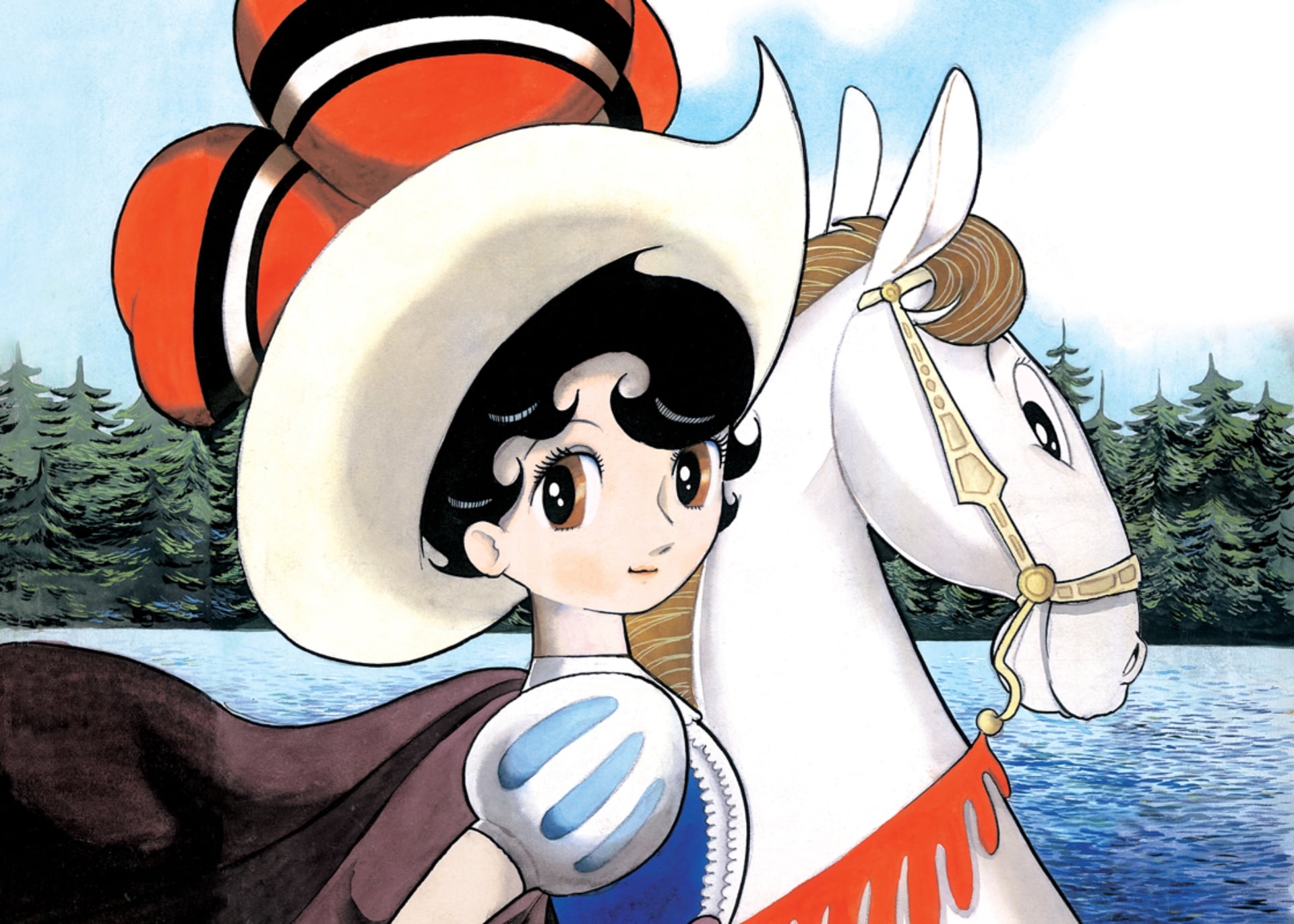
In contrast to the premise of OUTLINE’s adaptation, Tezuka’s manga is rooted in fairy tale traditions, focusing less on the warrior princess archetype and more on themes of gender identity. The narrative begins with angels in heaven assigning hearts to unborn babies. One angel, named Tink, mistakenly gives baby Sapphire a blue boy heart, only to later assign her a red girl heart. This error leads Tink to be cast out of heaven to find Sapphire and remove her girl heart—a situation compounded by the expectations of her royal lineage, which prioritize the birth of a male heir.
The story takes a comedic turn when a retainer with a lisp accidentally labels Sapphire a “prinshesh,” prompting her parents to maintain the pretense of raising her as a boy while dealing with those who seek to exploit this ruse. Sapphire’s journey unfolds as a humorous narrative that draws parallels to Cinderella, Sleeping Beauty, and The Little Mermaid, infused with Tezuka’s signature whimsy. Notably, the manga received its own anime adaptation back in 1967 from Mushi Production, so fans concerned about loyalty to the source material can rest easy.
Tezuka’s Princess Knight is characterized by its lighthearted and playful tone. Reflecting on the manga, it’s striking how innovative its themes were for its time, especially considering that a work from the 1950s tackles gender issues in ways that predate Rumiko Takahashi’s Ranma 1/2. While some aspects may seem dated in 2026, the story ultimately celebrates both Sapphire’s masculine and feminine traits as strengths rather than contradictions, which is a remarkable message.
Although The Ribbon Hero may not prioritize gender as its central theme, trailers suggest it might explore queer elements, particularly in the relationship between Sapphire and her female friend. Given that Princess Knight has influenced pioneering queer manga and anime, such as MAPPA’s adaptation of The Rose of Versailles, it’s plausible that the film will take a similar approach. Fans, including myself, are eagerly awaiting the film’s release to see how it interprets these themes while keeping the essence of the original intact.
This is not Netflix’s first attempt at reimagining Tezuka’s works. In 2023, Studio M2 released the anime adaptation of Naoki Urasawa’s Pluto, a project that, in my opinion, stood out as the best sci-fi anime of the year. The adaptation transcended mere visual appeal, delving into deeper societal critiques, including commentary on the U.S. invasion of Iraq. Pluto breathed new life into the story while respecting the foundation laid by Tezuka’s Astro Boy.
With all these factors in mind, I approach The Ribbon Hero with anticipation, eager to witness how a new team of creatives will reinterpret and celebrate the legacy of Princess Knight, ensuring that Tezuka’s narratives remain relevant for today’s anime enthusiasts.
The Ribbon Hero premieres on Netflix on August 8.
Want more io9 news? Explore release schedules for Marvel, Star Wars, and Star Trek, discover what’s next for the DC Universe in film and TV, and stay updated on the future of Doctor Who.



 David Bridges