 Ethan Carter


In 2021, Netflix made a significant move by acquiring the rights to the entire Roald Dahl catalog. This acquisition built on a previous animation-focused partnership with the Roald Dahl Story Company established in 2018. The deal, reportedly worth over a billion dollars, opened the door for adaptations of Dahl’s beloved children’s books, including Charlie and the Chocolate Factory, Matilda, James and the Giant Peach, The Witches, and Fantastic Mr. Fox. Many of these titles had seen adaptations before 2021, some more than once, making them prime candidates for fresh projects.
While the Netflix-Dahl partnership has not yet produced a large volume of content, the quality of what has emerged has been impressive. Notable releases include Matilda the Musical, which stars Emma Thompson, and a series of animated shorts directed by Wes Anderson. One of these shorts, The Wonderful Story of Henry Sugar, even received an Oscar. Phil Johnston directed the animated feature The Twits.
Looking ahead, Netflix is developing another animated film titled Charlie vs. the Chocolate Factory, co-written by Taika Waititi, who will also lend his voice to the character of Wonka. there is an upcoming but untitled series aimed at adult audiences, inspired by Dahl’s stories.
Such a selective approach might suggest Netflix is judiciously managing one of its most valuable intellectual properties. the launch of Wonka’s The Golden Ticket, a reality competition show with a somewhat awkward title, raises questions. The series premiered this week, releasing its first seven episodes, with the final two scheduled for September 30.
This staggered release format is unusual for Netflix, which typically favors binge-watching. There have been exceptions, such as the Stranger Things series finale, which aired a week after the rest of the season. that finale was highly anticipated by fans, making it an event that also included theatrical screenings. In contrast, Wonka’s The Golden Ticket does not seem to inspire the same level of excitement, except perhaps among its participants.
Most of the pre-launch buzz surrounding Wonka’s The Golden Ticket highlighted its use of AI to recreate Gene Wilder’s iconic voice from 1971’s Willy Wonka & the Chocolate Factory. This choice aligns with many fans’ immediate associations with the story, overshadowing other interpretations by actors like Johnny Depp and Timothée Chalamet, as well as Dahl’s original work.
Even Depp’s portrayal of Wonka in Tim Burton’s 2005 film—where Christopher Lee plays Wonka’s dentist father—cannot replicate the unsettling charm of AI-generated Gene Wilder. Early in the first episode, Wonka’s The Golden Ticket attempts to reassure viewers with an on-screen message stating that “the voice of Gene Wilder as Willy Wonka has been recreated with the consent of Mr. Wilder’s estate.” However, this assurance does little to ease discomfort.
AI Gene Wilder consistently narrates throughout the series, acting as a disembodied voice that guides the contestants. His ominous tone seeks to capture Wilder’s mischievous interpretation of Wonka, filled with sinister chuckles and misleading instructions. Unfortunately, this approach creates an unsettling atmosphere that may alienate fans rather than engage them.
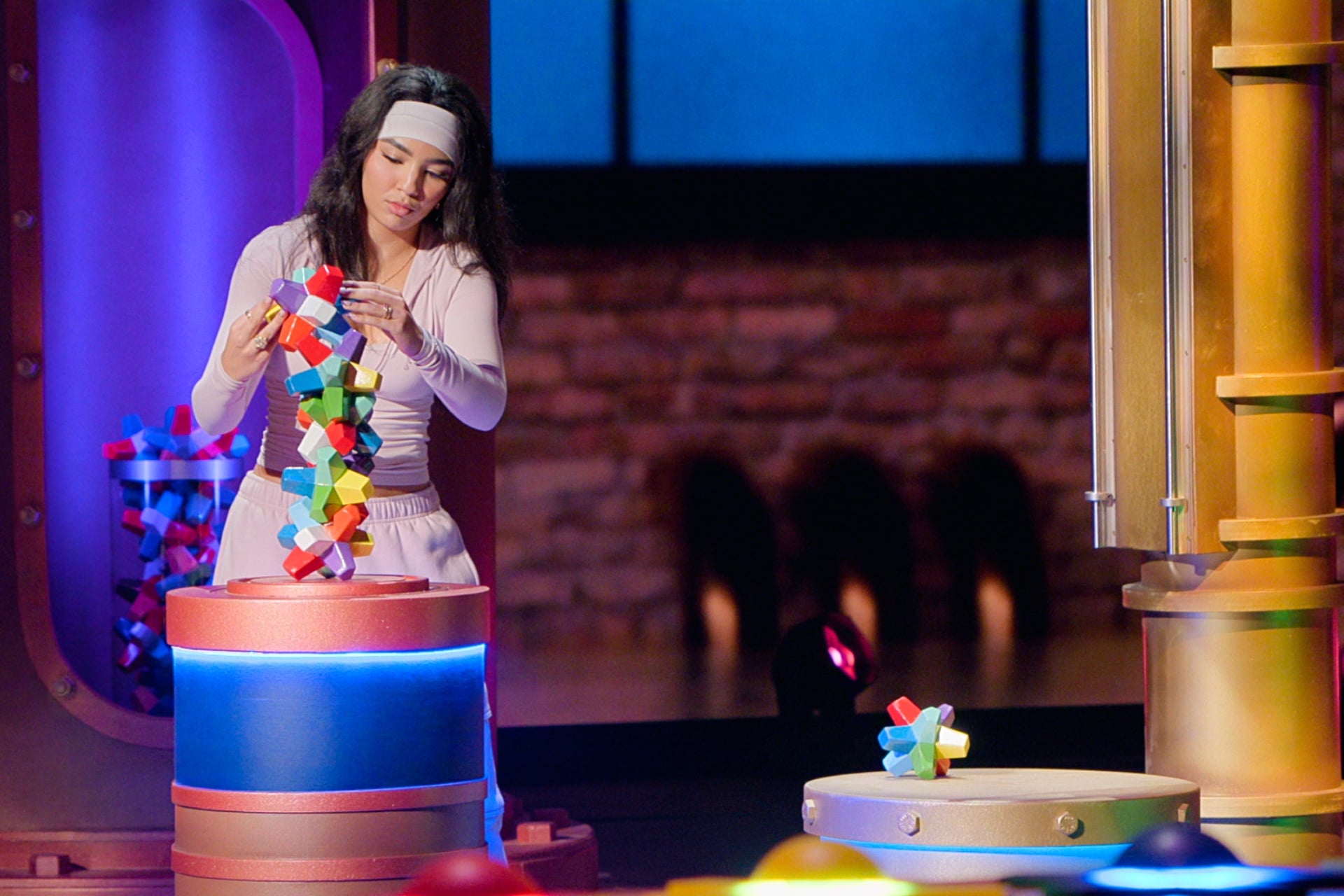
Beyond a nostalgic appeal, Wonka’s The Golden Ticket offers little originality. Viewers familiar with reality competition formats will recognize its predictable structure. Contestants compete for a grand prize of “a lifetime supply of money,” which Netflix has quantified as $3 million. That sum could buy an impressive number of gumballs.
To secure the prize, contestants engage in familiar reality show antics, including strategic scheming, forming alliances, and relying on luck—often influenced by producers orchestrating dramatic moments. Confessional interviews provide insight into contestants’ thoughts at various stages of the competition, although their motivations are often obvious.
The contestants participate in pairs, representing different relationships, such as friends, family members, coworkers, and romantic partners—though notably absent are married couples. The opening montage features participants unwrapping Wonka bars to reveal golden tickets, transporting them to the factory. This setup indicates a controlled casting process, stripping away any illusion of spontaneity.
On the visually striking set, designed to replicate iconic scenes from Willy Wonka—including a chocolate river—the contestants display a strong desire to be the central character. It’s evident that they have been coached to react dramatically, fully aware of the cameras capturing their every moment.
Since the competition lacks any real physical peril—no one will transform into a giant blueberry under AI Wonka’s supervision—the focus shifts to the clashing personalities, exaggerated reactions to decisions impacting fellow players, and the ever-present worry of who will ultimately win the cash prize.
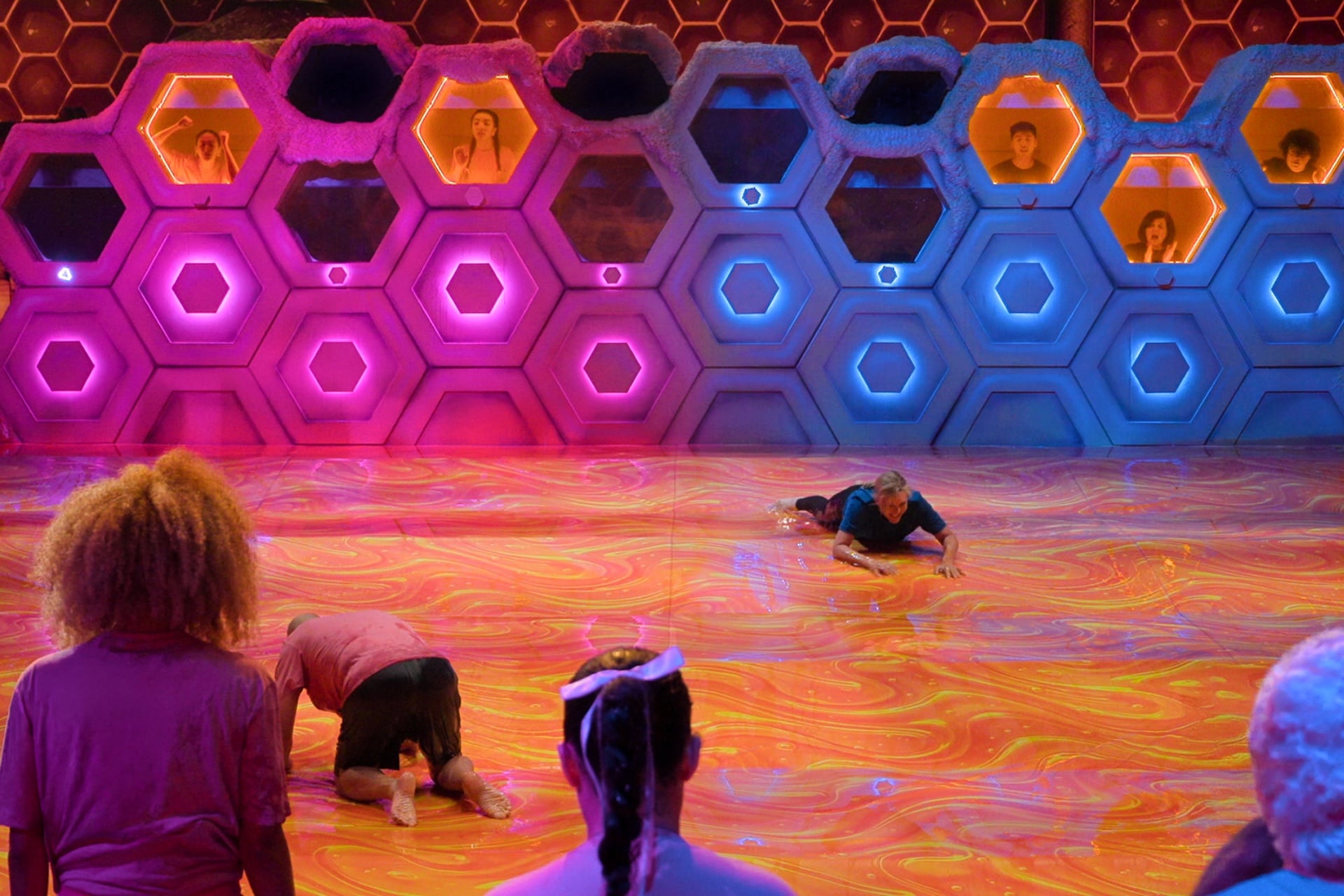
The contestants live together in comfortable accommodations that far surpass the harsh conditions seen in Squid Game: The Challenge. this setup serves to heighten anxiety levels throughout the competition. As viewers become acquainted with the 12 pairs of contestants, they can begin to evaluate each individual, ranging from those deemed “worthy” to those perceived as “toxically obnoxious.”
Despite the familiar elements of manufactured drama and self-aware contestants—where even the “villains” seem crafted for maximum screen time—the overall experience is disheartening. The show feels like another generic reality competition superimposed on Dahl’s cherished story, filtered through a film adaptation that Dahl reportedly disliked, featuring an AI version of a character beloved in cinema.
The Oompa Loompas make an appearance in varying heights, led by veteran actor Rusty Goffe, who performed alongside Wilder in the 1971 film. He stands out as perhaps the most genuine aspect of Wonka’s The Golden Ticket, which otherwise relies heavily on nostalgia while contributing to the unsettling rise of AI in pop culture. Even with the Wilder family’s approval, it feels as though Netflix is exploiting his legacy.
To discover who emerges victorious in Wonka’s The Golden Ticket, the finale will be available on Netflix on September 30. regardless of the outcome, it seems we’ve already lost something significant.
Want more io9 news? Check out the best movies and TV shows to stream this month, along with all the upcoming sci-fi, fantasy, and horror books that should be on your radar.


 Daniel Mercer