 Ethan Carter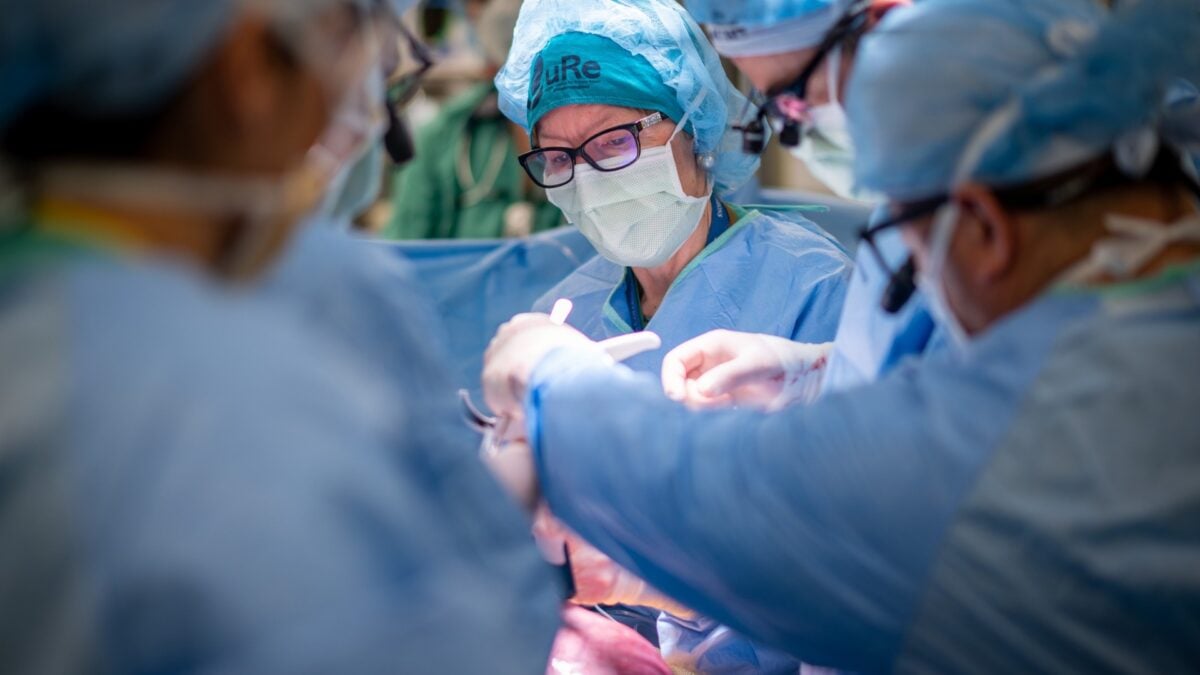

Stem cell therapy is a medical innovation because it has the potential to treat serious conditions like spina bifida, which matters for expectant parents seeking effective treatment options for their unborn children.
At SocialSchmuck, we specialize in Social media, Entertainment, and Technology news, helping healthcare enthusiasts achieve informed decisions about emerging medical technologies.
Our platform monetizes through advertising and partnerships with healthcare brands, providing valuable insights to our audience. This guide covers the latest advancements in stem cell therapy, its implications for spina bifida treatment, and the ongoing research efforts.
This article will explore:
- The significance of stem cell therapy for spina bifida
- Details of the CuRe trial
- Future research directions
- Comparison of traditional treatments vs. stem cell therapy
- Long-term implications for affected children
What is the significance of stem cell therapy for spina bifida?
Spina bifida is a type of neural tube defect that occurs when a fetus’s spine and spinal cord do not fully develop. This condition can lead to severe lifelong issues, including cognitive impairments, bladder dysfunction, and mobility challenges.
Traditionally, spina bifida is treated with surgery shortly after birth. However, advancements in prenatal fetal surgery have improved outcomes significantly. Despite these advancements, many children still face serious health challenges, including difficulties with independent mobility.
Recent interest in stem cells stems from their potential to enhance the body’s natural healing processes. Researchers at UC Davis sought to determine if stem cells could improve the efficacy of prenatal surgeries for spina bifida. Previous animal studies indicated promising results, leading to the initiation of the CuRe trial.
What were the details of the CuRe trial?
The CuRe trial involved six pregnant women whose fetuses were diagnosed with spina bifida between 2021 and 2022. Each fetus underwent standard spinal repair surgery. Before completing the surgery, researchers applied a patch of stem cells, sourced from donor placentas, to the exposed spinal tissue.
This phase I trial aimed to assess the safety of the stem cell treatment. Results showed no complications related to the therapy, such as tumor growth. All surgeries were successful, with no infections and complete healing in all fetuses.
Importantly, MRI scans indicated that all newborns experienced a reversal of hindbrain herniation, a positive sign of surgical success. Additionally, none of the children required a shunt for hydrocephalus, a common complication associated with spina bifida.
What are the early findings from the trial?
The findings from the trial were published in The Lancet. While these results are promising, more extensive research is needed to determine the long-term benefits of stem cell therapy for these children.
There is optimism surrounding this treatment, not only for spina bifida but also for other fetal conditions. “This paves the way for new treatment options for children with birth defects. The future is exciting for cell and gene therapy before birth,” stated Diane Farmer, lead study author.
The research team will monitor the long-term outcomes of the original six children and has initiated a larger Phase I/IIa trial involving 35 children.
What is the future of stem cell therapy for spina bifida?
As of 2026, ongoing research will focus on understanding the long-term effects of stem cell therapy on children with spina bifida. The results from the CuRe trial provide a foundation for future studies, potentially leading to transformative treatments for various birth defects.
In conclusion, the integration of stem cell therapy into prenatal care represents a significant advancement in medical science. Continued research in this area could revolutionize treatment options for many children facing debilitating conditions.


 Daniel Mercer