Brandon Fletcher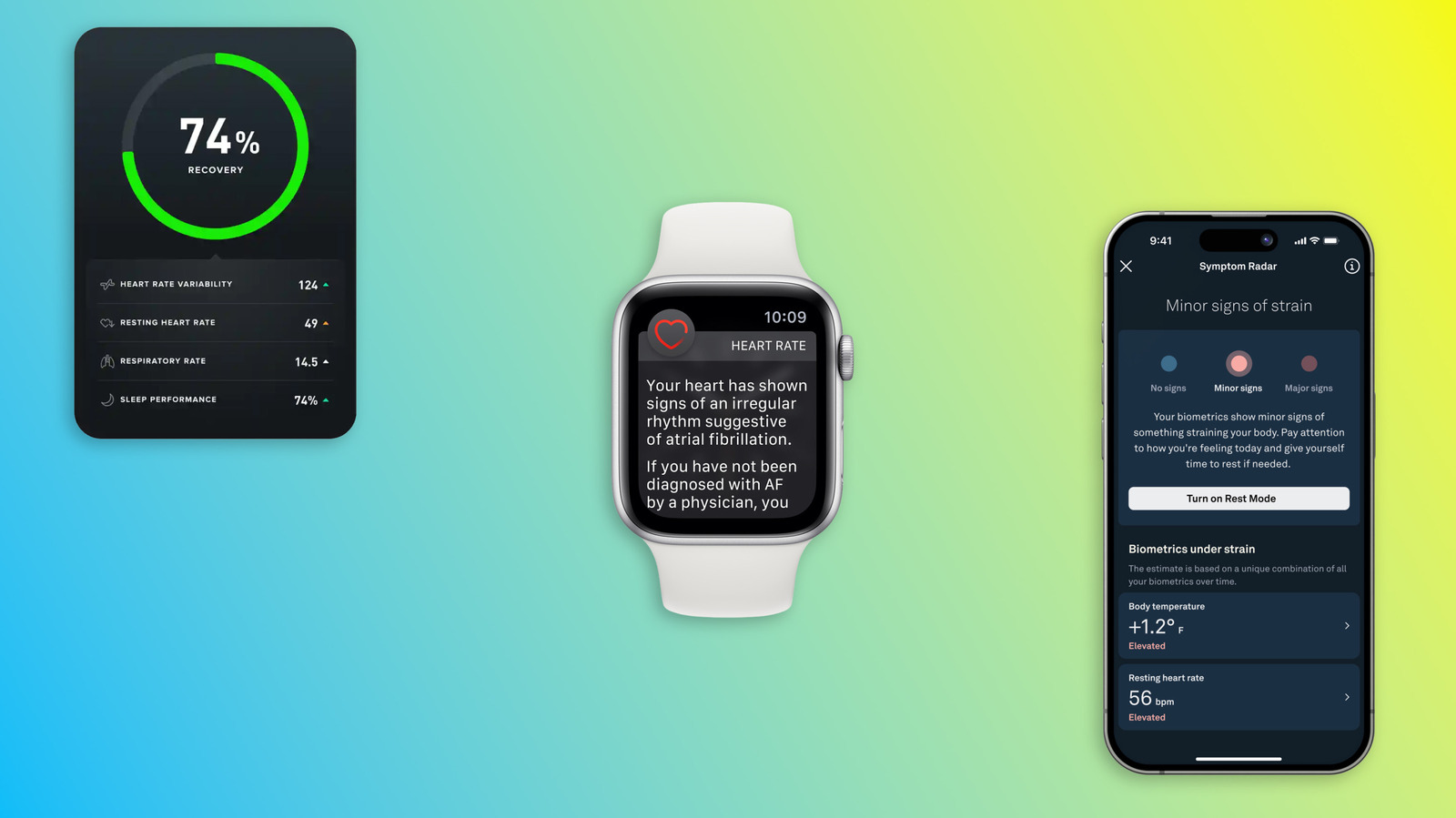

Before you experience noticeable symptoms of illnesses like the flu or COVID-19, your body undergoes subtle changes. While individual variations in skin temperature, resting heart rate, or respiratory patterns may seem insignificant, when analyzed collectively against your baseline measurements, they could indicate an impending illness.
Studies indicate that wearable devices can identify physiological changes associated with respiratory infections prior to symptom onset. Notably, these devices measure the body’s response to infections rather than detecting the pathogens themselves. A recent investigation by Texas A&M and Stanford highlighted that smartwatches can reveal early indicators of COVID-19 and influenza within hours of infection. Researchers suggest that if individuals act sooner by isolating, getting tested, and seeking treatment, it could potentially decrease the spread of pandemics by as much as 50 percent.
Wearables, along with pandemics and seasonal flu, have existed for years, but advancements in artificial intelligence and sensor technology are driving progress in this area. Companies such as Google, Oura, and Whoop have integrated AI coaching features in their applications, assisting users in interpreting their health data.
There are functionalities that do not explicitly label themselves as “AI,” such as Oura’s Symptom Radar and Apple’s Vitals. These features compile data from various sensors and juxtapose it against your baseline. The sophisticated processing capabilities of cutting-edge AI language models, like Google’s Gemini utilized in the Health Coach, are expected to play a significant role in synthesizing this information and recommending actionable steps. much of this AI-driven analysis occurs behind the scenes, providing limited actionable insights for healthcare professionals.
In an ideal scenario, AI health assessments may encourage individuals to pursue medical treatment sooner. Conversely, they could lead to individuals relying on algorithm-generated advice instead of consulting healthcare providers.
Although current AI systems advise users to consult with qualified medical professionals, there remains a risk that individuals may misinterpret wearable data or app insights as definitive health assessments. Whether deriving insights from a compact sensor on your wrist or receiving guidance from a chatbot on your smartphone, regular health checkups with qualified doctors cannot be replaced.
The future of wearable health technology is unlikely to involve a smartwatch capable of diagnosing illnesses directly from your wrist—the much-hyped wrist Tricorder. Instead, it will probably take the form of a device that quietly monitors for anomalies, prompts you when something appears unusual, and provides valuable information for discussions with your healthcare provider.


 Daniel Mercer