 Brandon Fletcher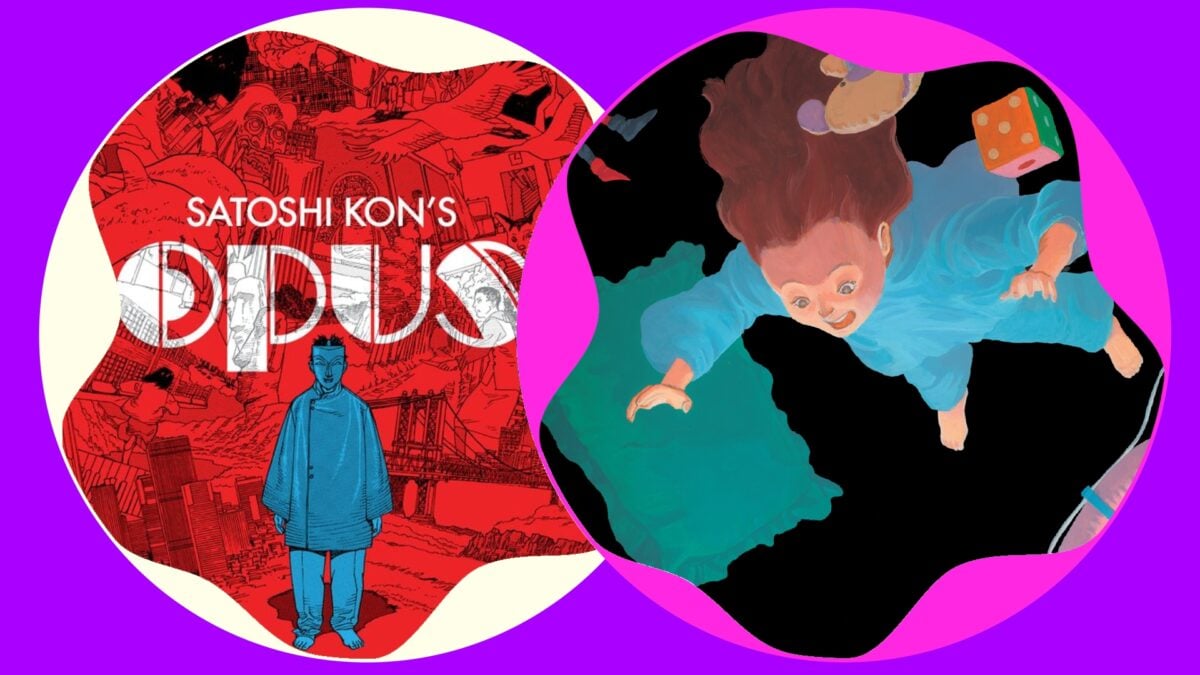

When people reminisce about the late Satoshi Kon, the iconic anime director’s films like Perfect Blue, Millennium Actress, Tokyo Godfathers, Paprika, and the mind-bending Paranoia Agent often take center stage. Kon’s earlier works as a manga artist, specifically Dream Fossil and Opus, deserve more recognition. These manga serve as an ideal complement for fans like me who revisit his films annually, allowing for a deeper understanding of his unique talent for intertwining dreams with reality.
I had heard of Opus previously, but I stumbled across Dream Fossil quite by accident while browsing my local bookstore. Much like how Tatsuki Fujimoto 17-26 intrigued me with its collection of short stories before his rise to fame with Fire Punch and Chainsaw Man, Dream Fossil: The Complete Stories of Satoshi Kon became the fastest book purchase I’ve ever made. Why? It features fifteen short stories that Kon penned before stepping into the realm of filmmaking. As an admirer of Kon, whose work has inspired acclaimed directors like Christopher Nolan and Darren Aronofsky, I was eager to discover the creativity he exhibited before captivating audiences with his anime. I emerged from the book with a deeper appreciation for Kon and insights into ideas he would later explore in his films, along with fascinating tidbits about his life that I had previously overlooked.
To summarize the overall tone of the fifteen short stories found in Dream Fossil, I would describe them as a lighter, more whimsical counterpart to Paranoia Agent. Within this collection, there are several speculative fiction narratives that highlight Kon’s imaginative storytelling prowess. Notable entries include Carve, which follows twin siblings endowed with ESP as they navigate a chaotic world; Guests, a comedic account of a family determined to ignore the ghosts haunting their upscale countryside home; and Toriko, a gripping two-part dystopian narrative reminiscent of Akira, featuring a young boy evading robotic authorities in his desperate bid to avoid rehabilitation for petty crimes.
Picnic, a full-color short story highlighted by the editor’s notes in Dream Fossil as a thematic sibling to Akira, casually points out that Kon was previously an assistant to Akira creator Katsuhiro Otomo. This connection makes sense when considering their strikingly similar artistic styles and thematic elements. The mentor-apprentice dynamic in manga often yields remarkable results.
However, my absolute favorites among the stories in Dream Fossil are those filled with slice-of-life charm. For example, Summer of Anxiety tells the story of a cyclist who unexpectedly falls for a woman while being pursued by her jealous ex. Another delightful narrative is Joyful Bell, featuring a mall Santa who spends his night assisting a young girl in her quest to find her father in time for Christmas. Yet, my top pick remains Beyond The Sun, a lighthearted adventure akin to Looney Tunes, where a nurse chases after her elderly patient when he escapes from his hospital bed, turning the entire town into a frantic search party. All these tales evoke a powerful sense of nostalgia, conjuring memories of summer days as a child walking to school. Remarkably, they capture feelings from an era long before my time. This work represents Kon before he became a household name.
While Dream Fossil showcases the latent potential Kon exhibited at the beginning of his career, Opus presents a poignant “what if” scenario that left me exclaiming, “Oh my god, it ends like that?!” at my age.
When discussing the significant “what ifs” in Kon’s career, many think of Dream Machine, his proposed fifth film that sadly never materialized before his untimely passing in 2010 at the age of 46. Yet, the emotional impact I felt after reading Opus far surpassed the usual frustrations I feel regarding the indefinite delays of Ai Yazawa’s Nana and Takehiko Inoue’s Vagabond.
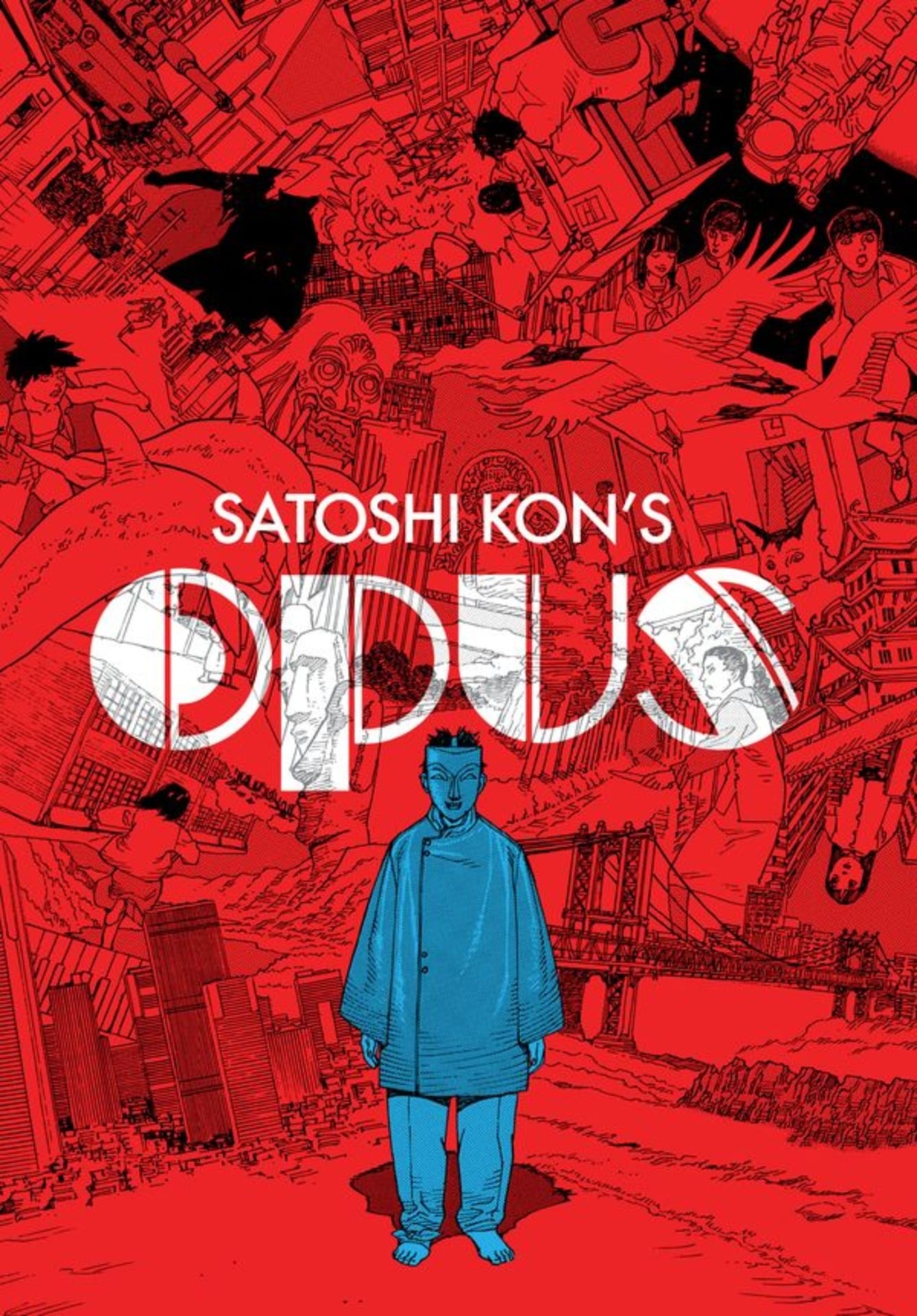
Opus stands out as Kon’s most ambitious and experimental work to date, evoking thoughts of a hypothetical Paprika-like narrative adapted into a manga. Despite its metanarrative premise being somewhat familiar, no other story has quite like Opus gripped me. It follows Chikara Nagai, a renowned mangaka on the brink of completing the final page of his beloved sci-fi series, Resonance. The twist? The last page is stolen by a character he planned to eliminate, sending Nagai into his own story.
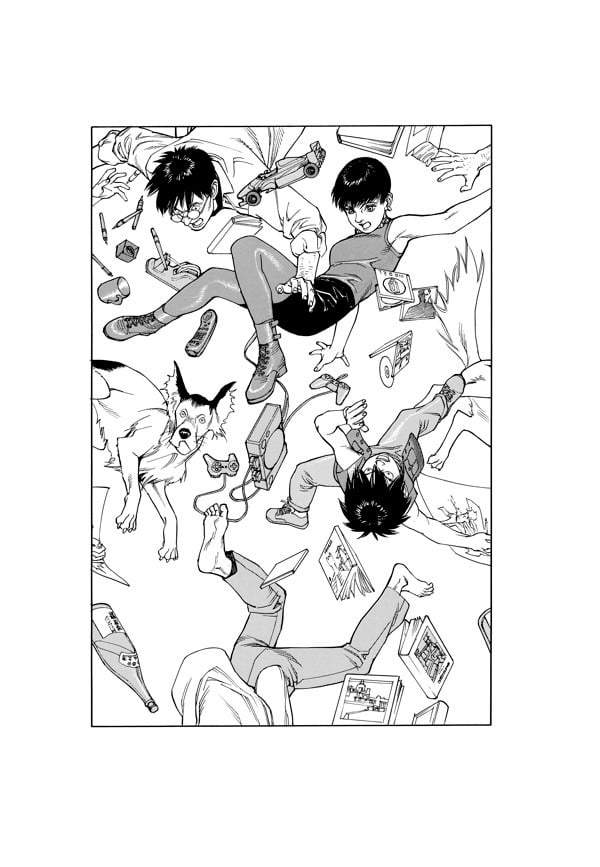
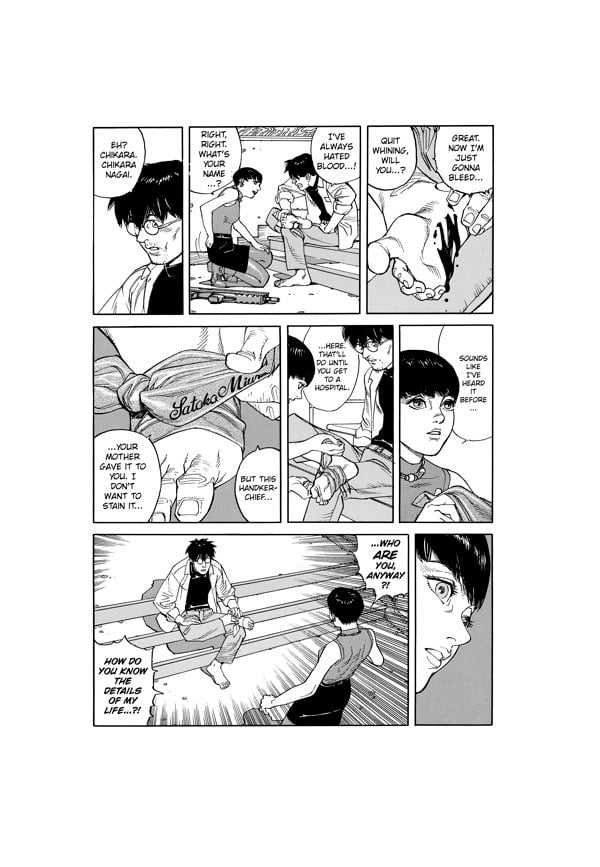
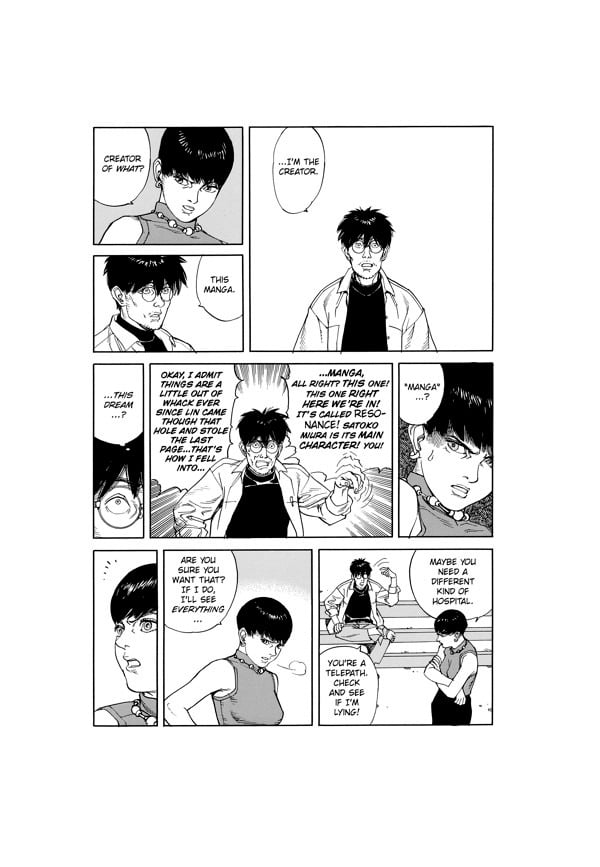
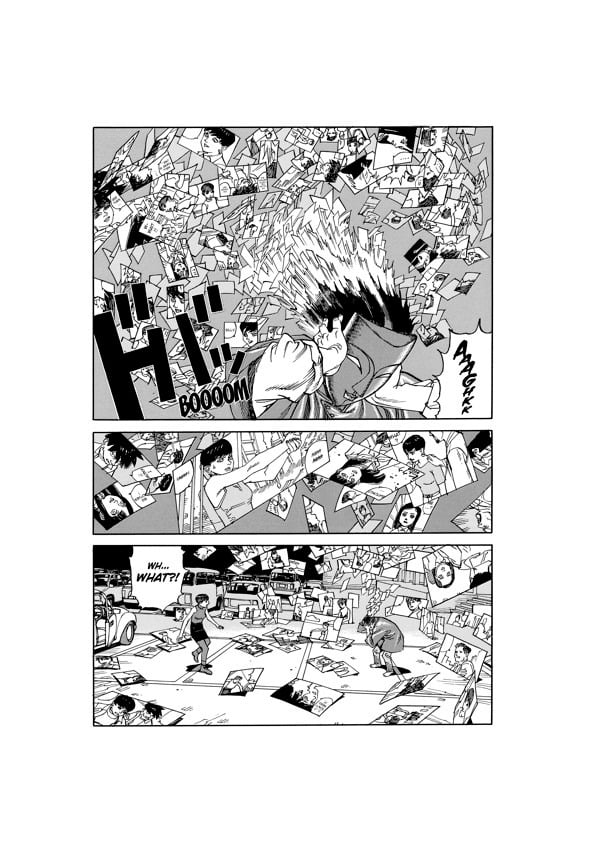
Given that this is a Satoshi Kon work, the ensuing adventure in the manga strays far from a straightforward narrative. Instead of a simple quest where Nagai and Satoko, the heroine of his manga, join forces to retrieve the final page from her rogue counterpart, the story takes unexpected turns. Notably, Nagai’s quick admission that he created Satoko and her entire world—including her traumatic experiences—to entertain himself (and to satisfy his editor) complicates her willingness to assist him. The narrative dives deep into the messy dynamics of their relationship, utilizing innovative panel layouts to explore its metanarrative themes.
Among the stunning panel work, there are sequences where intricately detailed backgrounds dissolve into rough sketches of crowds and characters, often interspersed with layers of overlapping panels where characters break the fourth wall and navigate a labyrinth of memories and graphic novel volumes, creating the illusion of ripping through the pages.
Witness the stunning remaster of PERFECT BLUE, coming to 4K UHD Steelbook for the first time ever. Packed with tons of extras including interviews & lectures from director Satoshi Kon.
Available June 16. 🎀
💙 Pre-order now: https://t.co/AqyLo0ygZ3 pic.twitter.com/VsnVtJjTRq
— GKIDS Films (@GKIDSfilms) May 21, 2026
The most shocking aspect of Opus is its lack of resolution. The series was put on hold so that Kon could take a break to create Perfect Blue. Unfortunately, this hiatus ended up being permanent, leaving Opus unfinished. It concludes on a cliffhanger that rivals the infamous unresolved ending of Berserk following Kentaro Miura’s passing. Fortunately, there is a small consolation for readers who experienced the shock of flipping through the incomplete narrative of Opus. Dark Horse was able to acquire an additional rough chapter Kon worked on for Opus but never published, which they included at the end of the manga.
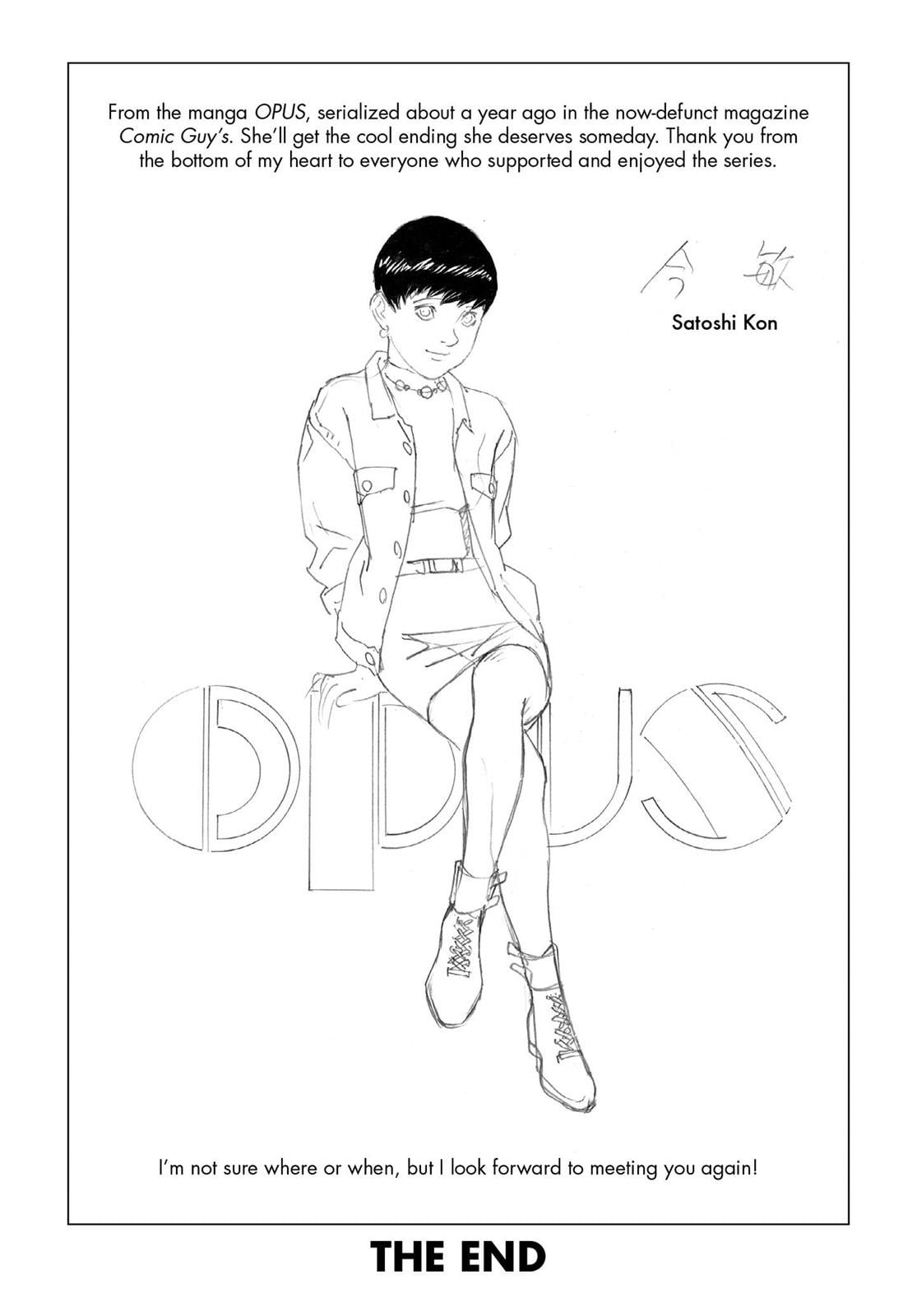
While I won’t reveal the specifics of the additional chapter, I can say that it elevates the already extravagant meta-narrative of Opus even further. It evoked both laughter and tears, while simultaneously reinforcing Kon’s status as a true master of his craft.
For more io9 updates, stay tuned for the latest on Marvel, Star Wars, and Star Trek releases, along with what’s next for the DC Universe in film and TV, plus everything you need to know about the future of Doctor Who.


 Daniel Mercer
 Ethan Carter