Ethan Carter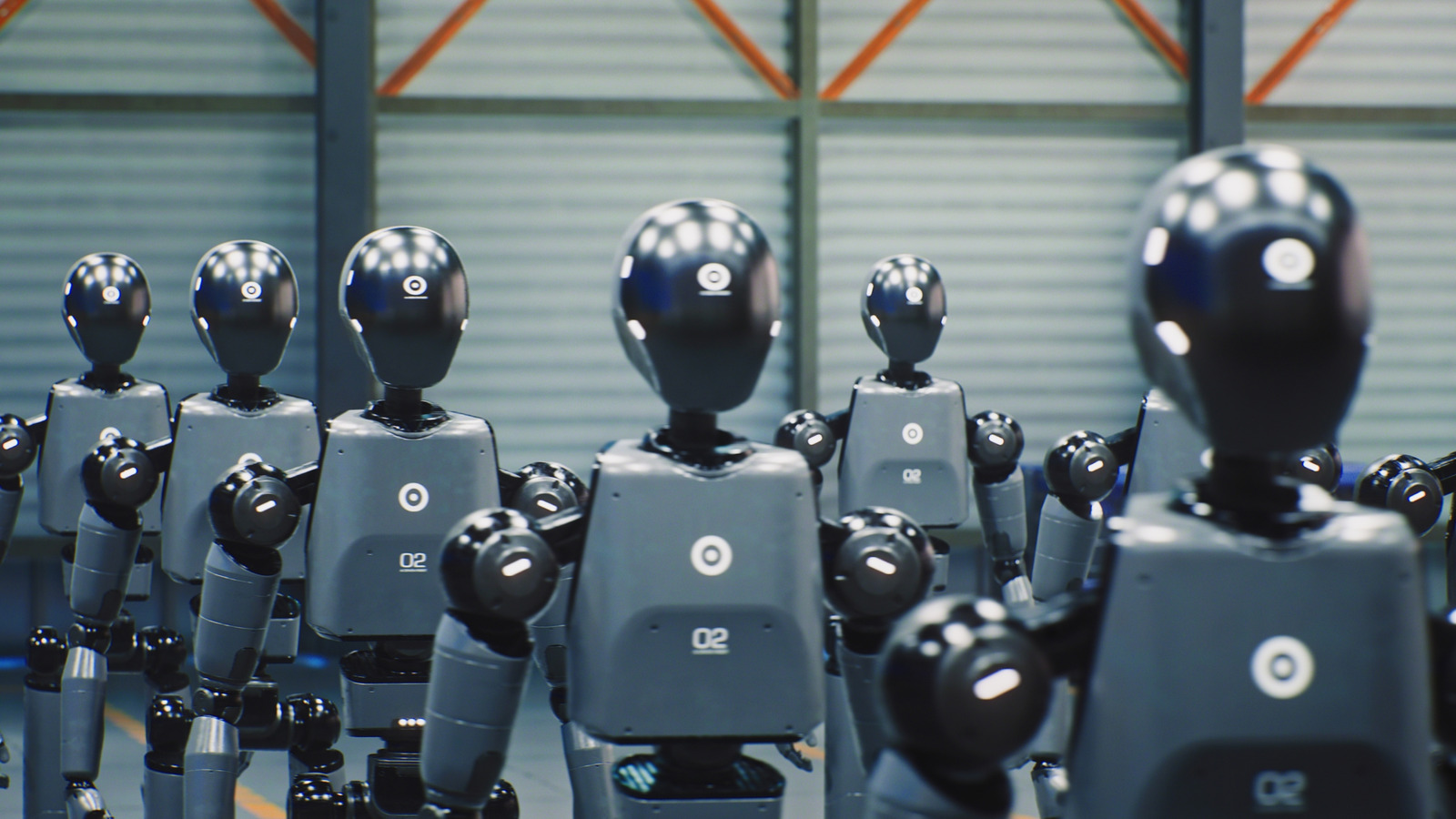

Meta has announced the acquisition of Assured Robot Intelligence (ARI), a promising startup focused on developing advanced artificial intelligence solutions for robots. This strategic move aims to tackle significant challenges within high-value labor markets that require innovative automation. While ARI has been engaged in developing both robot hardware and AI capabilities internally, a representative from Meta stated to Bloomberg that the integration of ARI’s expertise will enhance their ability to craft sophisticated robot control systems and self-learning mechanisms, particularly for whole-body humanoid control. The financial specifics surrounding this acquisition have not been disclosed.
In a post on X, Xiaolong Wang, co-founder of ARI, emphasized their initial vision to create a truly versatile physical agent. He expressed that the team now envisions this agent taking on a humanoid form, with scalability achieved through learning derived directly from human experiences. Wang further noted that Meta possesses the essential components and resources to realize this ambitious vision. Joining him, co-founders Xuxin Cheng and Lerrel Pinto, along with the entire ARI team, will integrate into Meta’s Superintelligence Labs. Notably, Pinto previously co-founded Fauna Robotics but departed before its acquisition by Amazon, which is pursuing its own humanoid robot initiatives.
Back in 2025, Meta’s CTO Andrew Bosworth outlined the company’s objective to develop software that various businesses can license, drawing parallels to Google’s approach with Android. He identified software as the critical bottleneck in advancing robotic capabilities. The strategy involves initially creating software capable of controlling a dextrous hand and subsequently expanding the technology from that foundation. Alongside Meta and Amazon, Tesla has also been heavily invested in humanoid robotics. Earlier this year, the automaker shifted its focus from producing Model S and X vehicles, reallocating production resources at its Fremont factory to manufacture Optimus humanoid robots instead.


 Daniel Mercer
 Brandon Fletcher