Daniel Mercer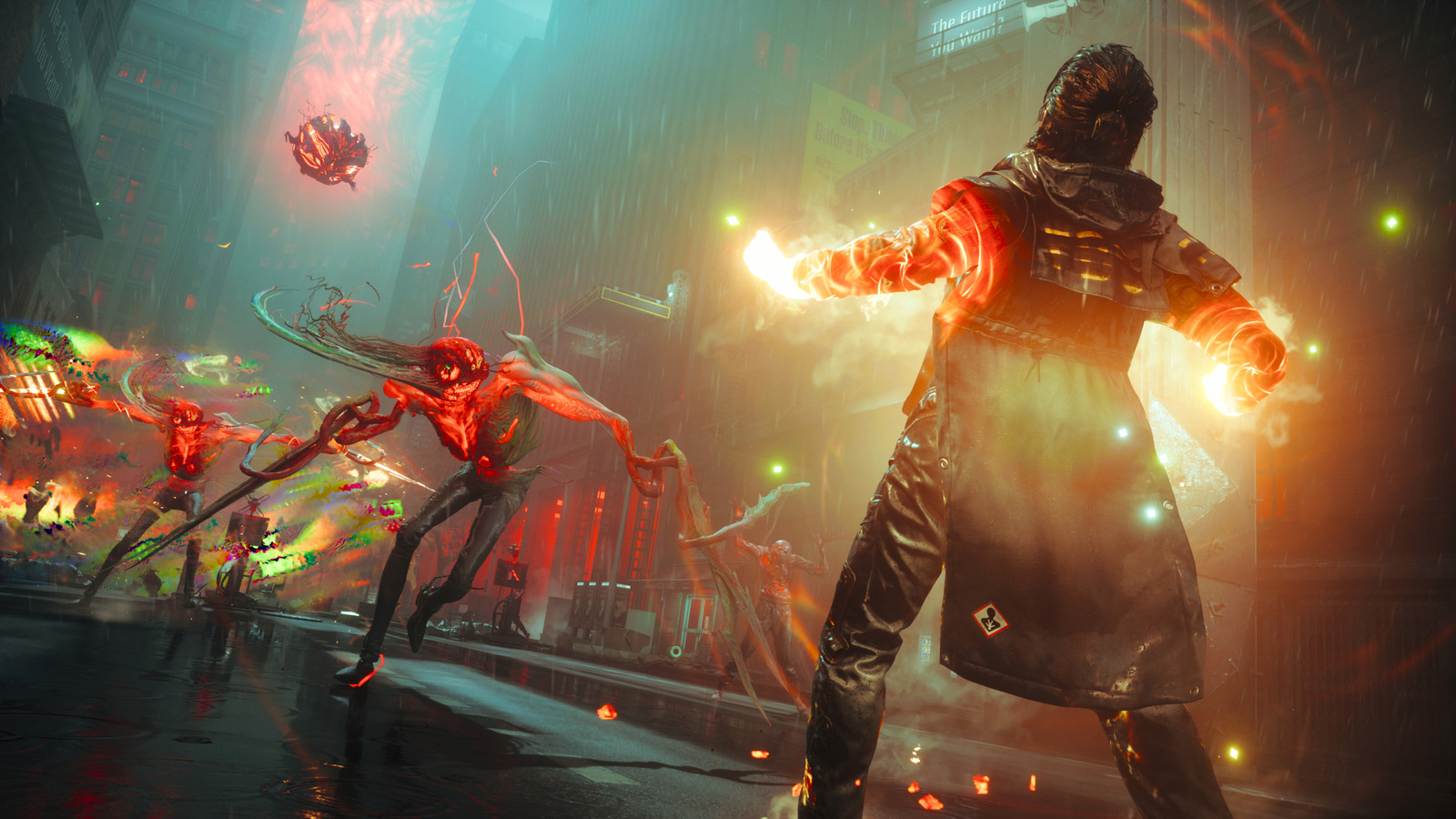

Remedy Entertainment is taking an audacious step with the sequel to 2019’s Control. Introducing a new main character navigating a strange, corrupted version of New York City, Control Resonant transitions into a more open-ended action RPG that emphasizes dynamic melee combat. Although Jesse Faden is no longer in the spotlight, her brother’s journey begins with an intriguing narrative arc.
Before the much-anticipated showcase at Summer Game Fest 2026, we had the opportunity to visit the Annapurna Pictures offices, which is co-funding the sequel alongside Remedy Entertainment. Our hands-on experience with the opening hours of Control Resonant reveals that this installment in the Remedy Connected Universe is shaping up to be their most expansive creation yet. The captivating opening act effectively sets the tone for this surreal and high-stakes sequel.
Set seven years after the events of Control, the narrative unfolds as the Hiss have escaped containment from The Oldest House, invading Manhattan. With Jesse Faden missing and the remnants of the Federal Bureau of Control (FBC) scattered, her brother Dylan Faden—a powerful supernatural being—ventures out of The Oldest House for the first time. He confronts a hostile world ravaged by the Hiss. Joining forces with the remaining agents and the enigmatic entity known as The Board, Dylan is determined to locate his sister, pushing his supernatural abilities to their limits to combat the Hiss and prevent their escape into the broader world.
Control Resonant marks a significant shift from the original Control, which featured more confined environments and focused on Jesse’s narrative. While there may be a sense of loss in Jesse’s absence, Dylan’s journey as he navigates a more perilous world and struggles to reclaim his humanity offers a compelling narrative foundation for the sequel. My gameplay experience provided a deeper connection to Dylan’s quest and the overarching storyline.
In contrast to the original, Control Resonant adopts a more energetic and acrobatic approach to combat and exploration. With the setting now in the open streets of Manhattan, Dylan has ample space to leap and dash through the city in exhilarating ways. During a conversation with art director Elmeri Raitanen, he explained that transforming Manhattan into a Hiss-infested landscape involved infusing a Remedy twist into a well-known locale.
My exploration of Manhattan was both eerie and thrilling. The cityscape felt reminiscent of films like Inception and Everything Everywhere All at Once, as Manhattan was filled with adversaries and bizarre occurrences. Iconic streets and landmarks of New York twist in unexpected ways. With Resonant presenting Manhattan as fragmented into various explorable zones, it resembles a living, alien environment that maintains a vague semblance to New York. This represents a clear departure from the original’s brutalist architecture and mundane office aesthetics, but I found the transformation captivating.
 Remedy Entertainment
Unlike the action-shooter mechanics of the original, Resonant emphasizes chaotic, large-scale melee combat. The gameplay style draws inspiration from titles like Devil May Cry and Nier Automata, representing a significant evolution from Control. Dylan wields the Aberrant, an Object-of-Power resembling a construction tool, which can morph into various weapons such as twin blades, gauntlets, a scythe, and a massive hammer.
This unique weapon system aligns well with Control‘s new-weird aesthetic. As players develop Dylan’s skills, they can switch between weapon forms during combat, utilizing primary, secondary, and combo-ending moves. The ability to customize weapon choices within combat flows allows for visually striking combos against the Hiss. When fully engaged, Dylan becomes a swift and agile fighter, effectively dispatching enemies with the eclectic all-in-one weapon.
Control Resonant further embraces RPG elements compared to its predecessor. to enhancing abilities, players can apply status effects on enemies, amplifying crowd control capabilities. At first, navigating the skill trees and perks to augment Dylan’s abilities felt overwhelming, but as I progressed through the preview, the system became more intuitive and enjoyable.
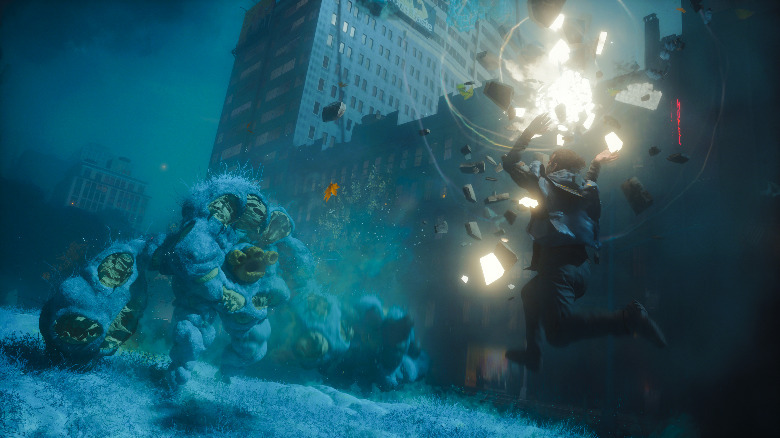
In a section called The Sinkhole, I ventured through the corrupted underbelly of Manhattan, leading to encounters with the Hiss and formidable monsters. This combat-centric segment showcased the melee action in its fullest form. Although I faced challenges in surviving intense battles, as the Hiss proved to be more aggressive and Dylan’s health depleted quickly, I managed to turn the tide using finishing moves and combat abilities that inflicted burn damage. When engaged, the combat is fierce and exhilarating, and I relished pushing Dylan’s abilities to their limits.
 Remedy Entertainment
Although the preview emphasized combat, my favorite parts of the game were the narrative-driven sequences featuring Dylan. As he grapples with his identity outside The Oldest House, he encounters surreal scenarios characteristic of the Control series, and these moments continue to impress. The preview culminated in Dylan’s escape from a twisting underground apartment complex that transformed into an expansive maze reminiscent of the infamous Ashtray Maze from Control. I was pleased to see the game maintain its visually striking spectacle moments.
From my initial hours with the game, it’s evident that Control Resonant charts a different course from its predecessor. While some fans may miss Jesse’s storyline and the original’s deliberate pacing, Control Resonant remains true to the franchise. Remedy’s approach to an open-ended RPG format is captivating, featuring a storytelling style inspired by Neon Genesis Evangelion that places Dylan in the spotlight. This bold direction for the series has me eager to see how it unfolds on a grand scale.



 Ethan Carter