David Bridges

Discover the Latest Facebook Feature: A “No Edit” Tag for Authenticity in Stories.
Facebook is experimenting with an innovative option that allows users to include a note on their Stories, indicating that the selected image has not undergone any changes or edits within the app. This new feature aims to enhance user trust and transparency, especially in an era where digital authenticity is increasingly valued.
This new functionality is demonstrated in an example shared by app researcher Radu Oncescu. Users can long-press any image from their camera roll to share it directly, bypassing the traditional editing process. This seamless approach could significantly simplify the posting workflow, enabling users to share spontaneous moments with ease.
By eliminating the need for extensive editing, this feature encourages more genuine and immediate updates. It also incorporates a distinctive tag within the Story frame, highlighting the authenticity of the content being shared. This could resonate particularly well with users who prioritize real-time experiences and unfiltered moments.

Theoretically, this feature could enhance the credibility of shared content by clarifying that the image has not been modified through artificial intelligence or other means. This level of transparency may appeal to users who are increasingly skeptical about the authenticity of images and videos shared across social media platforms.
However, users still have the option to edit images using other applications before uploading them to Stories. While Meta has implemented some detection mechanisms for external edits, these measures are not foolproof. Thus, it remains possible for users to alter their images externally and still tag them as “No Edit” when sharing, potentially diluting the intended authenticity of the feature.
Despite these challenges, the concept behind the “No Edit” tag is to foster a higher level of trust among users, especially in a landscape where artificial intelligence-generated content is becoming more prevalent. This is crucial as the line between real and generated content continues to blur, raising concerns about the authenticity of social media experiences.
With the rise of AI, distinguishing between genuine and synthetic content is becoming increasingly challenging. This evolution poses a significant drawback for social platforms, particularly as they integrate more generative AI features into their applications. Users may find it difficult to discern whether the content they encounter reflects real-life experiences or is merely a product of AI manipulation.
Meta has already introduced labels for AI-generated content, along with unique watermarks for images created within its own applications. These measures aim to provide clarity and transparency regarding the origin of shared content, although they may not cover images edited or created outside of Meta’s ecosystem.
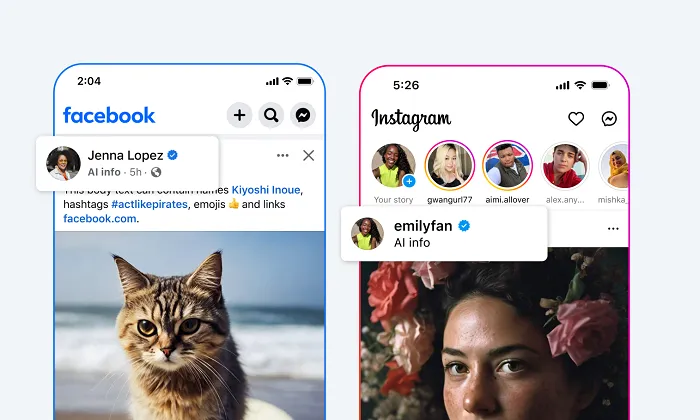
Nevertheless, these labels may not adequately address images created or altered outside of the platform. This limitation raises questions about the effectiveness of the “No Edit” tag, particularly if it becomes widely adopted. Users may exploit this feature to mislead others with externally altered images, thus undermining the core intention of promoting authenticity.
While the idea of a “No Edit” tag appears promising and could be beneficial in many scenarios, there are valid concerns about its potential misuse. If this tag becomes widely recognized, some individuals may attempt to deceive users with modified images, which could ultimately erode trust within the platform.
I personally question the value of generative AI tools for image and post creation, as they often lead to diminished human connection within social media applications. This trend represents a regression, and Meta’s introduction of tags like this serves to highlight the growing demand for authentic, unedited content in user feeds.
While I believe that this feature could hold value, the ongoing dilution of genuine human content due to AI is a broader issue that social media platforms must confront. The challenge lies in balancing the integration of innovative technologies while preserving authentic user experiences.



 Cameron Steel
 Mason Thompson