 David Bridges

Unlocking New Engagement Opportunities: WhatsApp Business Broadcasts
Meta is introducing innovative features that enable businesses to connect more effectively with potential customers on WhatsApp. One of the standout features is the business “broadcasts”, which allows brands to pay to enhance their promotional offers to individuals who have previously interacted with them. This strategic move aims to create a more personalized marketing experience that resonates with users while allowing businesses to reach a broader audience on a platform they already use.
Leverage Targeted Promotions: Engaging Past Interactions
This feature will empower businesses to directly push promotions to individuals who have shown interest in their products or services in the past. This capability extends beyond the typical restrictions on business messaging that Meta usually enforces, allowing for richer engagement. By utilizing targeted marketing, businesses can create tailored promotions that speak directly to the needs and interests of their audience, increasing the likelihood of conversion and fostering stronger customer relationships.
Empowering Users: Opt-Out Options for Enhanced Control
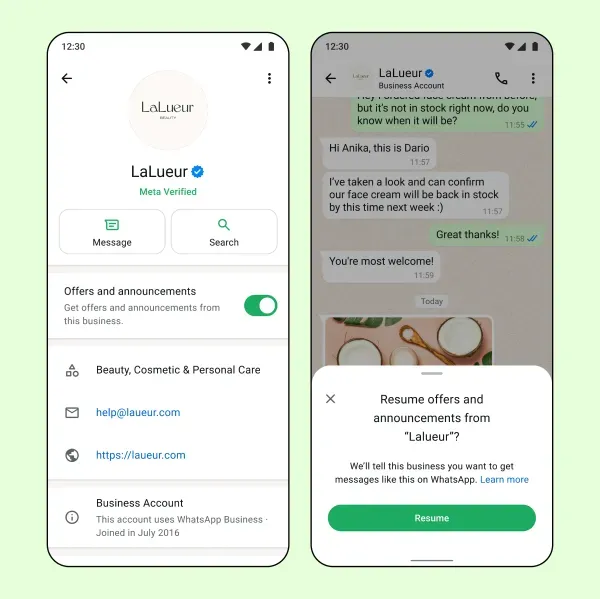
To enhance user experience and satisfaction, WhatsApp will provide options allowing users to opt out of future promotional messages directly from the message itself. They can also indicate that they are “Not interested” in a specific offer. Meta will closely monitor these responses, continuously evaluating the content sent to users with higher disinterest rates. This proactive approach ensures that businesses maintain high-quality, engaging, and relevant marketing conversations, which is crucial in building trust and loyalty among users.
Maintaining Balance: Message Frequency Management
Furthermore, to prevent overwhelming users with excessive communications, Meta is imposing limitations on the number of promotional messages a user can receive each day. This initiative aims to strike a balance between effective marketing and user comfort. As stated by Meta:
“We want messages from businesses to be helpful and expected, which is why we’ve introduced limits to the number of marketing messages that people can receive, thereby minimizing inbox overload.”
Addressing User Concerns: Reducing Intrusiveness of Ads
These new measures are designed to reduce the intrusiveness associated with direct marketing promotions. However, it’s important to note that many users are generally averse to receiving notifications for advertisements. This presents a significant risk for WhatsApp, as poor management of this feature could lead to considerable backlash from users. Therefore, Meta is taking steps to ensure that users have straightforward methods to opt out of unwanted messages.
Moreover, Meta has clearly outlined various controls and options available to users, empowering them to manage their brand messaging preferences effectively. This approach is crucial for maintaining a positive user experience while introducing new promotional opportunities for businesses.
Reactivating Offers: Enhancing User Engagement
In addition, users will have the flexibility to reactivate offers from brands at their discretion, providing them with control over their interactions. This feature not only enhances user engagement but also allows businesses to maintain a connection with their audience, offering promotions that can be revisited at the user’s convenience.
Meta’s Ongoing Journey: Monetizing WhatsApp While Retaining User Trust
WhatsApp presents unique challenges for Meta. Despite boasting over 2 billion users, effectively monetizing direct messages has proven to be a complex endeavor for any application. Meta has experimented with various strategies and is gradually integrating additional business tools in key markets, such as India, which alone hosts over 500 million WhatsApp users.
This new promotional option enhances Meta’s ability to monetize its extensive user base, yet it must tread carefully to avoid alienating users by introducing too many commercial opportunities. Striking the right balance between user experience and business needs is essential for ongoing success.


 Sophie Langley