David Bridges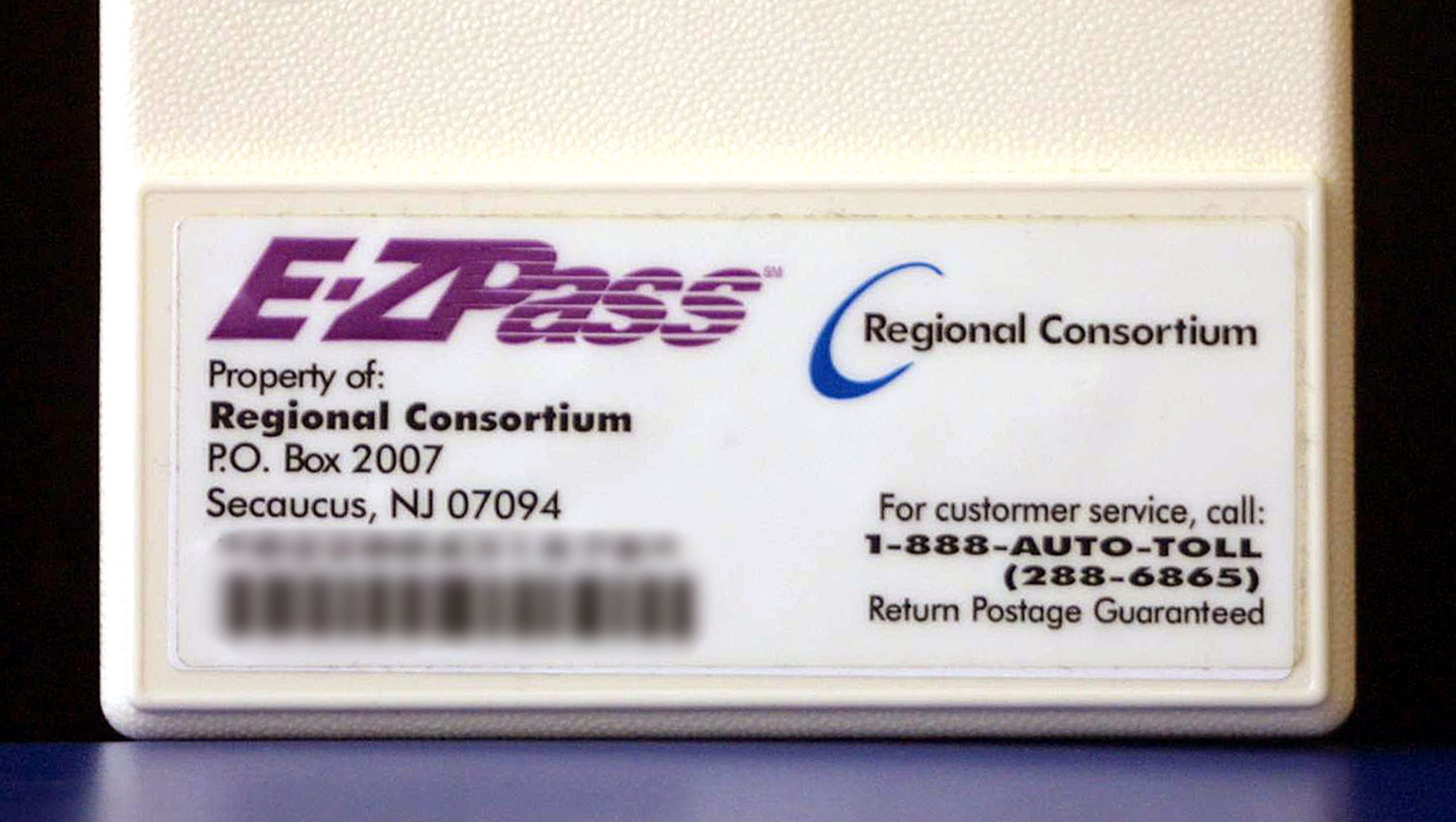

As the cost of living continues to rise for many Americans, a new financial scam has emerged, targeting unsuspecting drivers with deceptive toll road text messages. Recently, numerous reports from various media outlets and social media platforms have surfaced, revealing that individuals are receiving fraudulent notifications on their mobile devices, falsely claiming that they owe toll charges. These scams exploit people’s concerns about unpaid tolls, making them a growing threat in today’s digital landscape. It’s crucial to be vigilant and recognize such scams to protect your finances and personal information.
According to CBS News, the Federal Trade Commission (FTC) has issued a warning to the public, explaining that the texts being received regarding alleged unpaid tolls are “probably” scams. This advisory aims to raise awareness about the potential risks associated with these misleading communications. The FTC emphasizes the importance of being cautious and verifying any claims made in such messages, highlighting the necessity of safeguarding personal data and financial security against these malicious attempts.
The FTC has alerted individuals to be wary of unsolicited texts claiming they owe money for tolls, regardless of whether they have recently used a toll road. The warning states, “It’s probably a scam.” Scammers are impersonating legitimate tolling agencies across the nation, sending out messages that demand immediate payment. Not only are these fraudsters attempting to steal your money, but clicking on the provided link could expose you to identity theft by compromising your personal details, such as your driver’s license number. This highlights the importance of staying informed and cautious when dealing with unexpected communications.
Continue reading to uncover more details about these deceptive scam messages and discover effective steps to take if you find yourself in receipt of one of these suspicious texts. Being informed is your best defense against falling victim to these scams.
⚠️SCAM ALERT: Has anyone else gotten this text numerous times this week? This is my FOURTH! You’ve got to admire the persistence but I’m not falling for it. Thanks but no thanks! https://t.co/RayBAsVubL pic.twitter.com/OLsOpPeZeo
— Mycah Hatfield (@MycahABC13) February 22, 2025
Recognizing Authentic Toll Road Notifications: Key Features
Legitimate toll services such as E-ZPass and Tolls by Mail do not send notifications about unpaid tolls via text messages that request sensitive personal information, including credit card numbers or Social Security numbers. If you receive a text or an email that asks for such identifiable details, it is crucial to refrain from providing any information. Always verify the source of the communication by reaching out directly to the official toll service, using contact details from their verified website. This practice will help ensure your safety and financial security.
Identifying the Characteristics of Toll Road Scam Texts
Scam text messages can vary significantly in appearance, but numerous reports have emerged from states such as New York, Massachusetts, Washington D.C., Florida, Indianapolis, and Pennsylvania, where drivers received messages claiming they owed toll fees. According to USAToday, several staff members also received these fraudulent texts. One example of a scam message stated, “Pay your FastTrak Lane tolls by February 13, 2025. To avoid a fine and keep your license, you can pay at https://ezdrivema.com-xlk.vip/i/. (Please reply Y, then exit the text message and open it again to activate the link, or copy the link into your Safari browser and open it).” This illustrates how scammers attempt to create urgency to manipulate individuals into acting quickly without thinking.
Another alarming message sent to some Florida residents included the following: “Please pay your toll in Florida by January 21, 2025. To avoid excessive late fees and potential legal action, please pay your tolls on time. Thank you for your cooperation, and we wish you a pleasant holiday. https://sunpass.com-8If5.sbs/us/.” This highlights the deceptive tactics used by scammers, trying to instill fear and urgency regarding unpaid tolls to extract money or personal information from victims.
Effective Strategies to Block and Report Toll Road Scams
Individuals can easily block any phone number that contacts them with potentially fraudulent messages. The FTC recommends a series of steps for those who encounter these scams: first, never click the link in the scam text; instead, visit the official toll service website directly to check your account’s balance. Secondly, utilize your smartphone’s “report junk” feature when receiving these unsolicited texts. If you accidentally click on any links in these scam messages, it is vital to secure your personal information immediately, including your bank accounts. Finally, file a complaint with the FBI’s Internet Crime Complaint Center, providing them with the scam text’s phone number and any associated website details. By taking these precautions, you can help protect yourself and others from falling victim to these scams.
[ad_2]
Source link


 Mason Thompson
 Cameron Steel