 Ethan Carter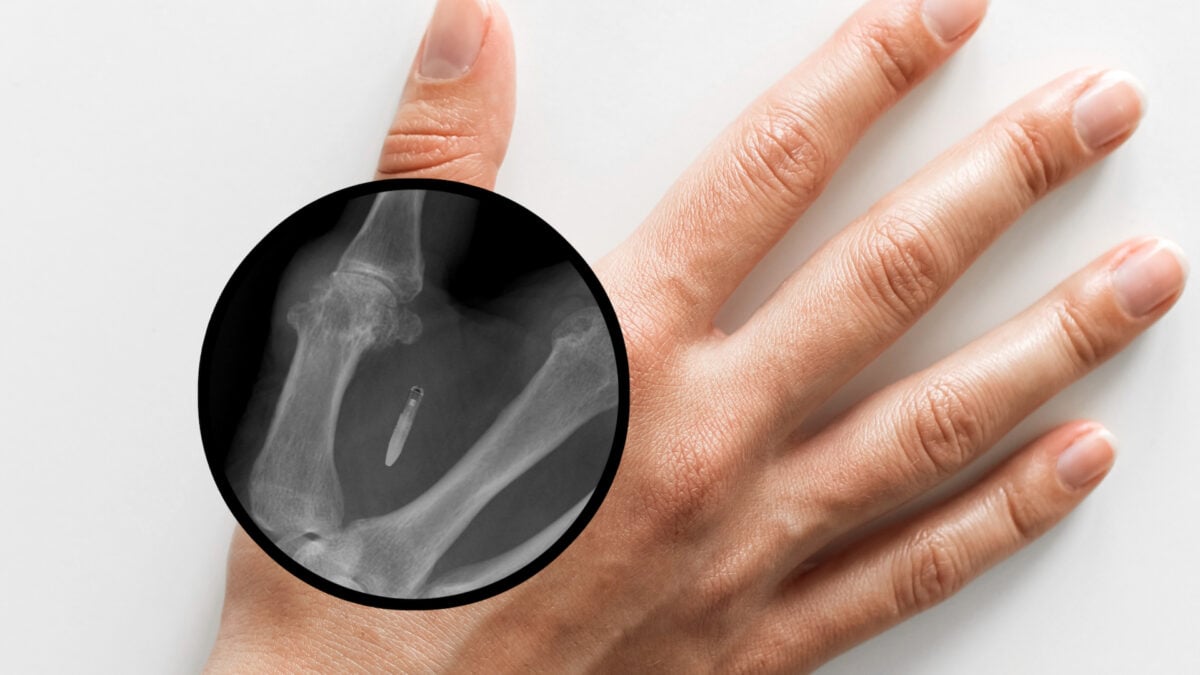
What is Microchipping Employees?
Microchipping is a method of implanting a small chip under the skin of an individual. This technology is often discussed in the context of employee monitoring. It matters for employers looking to enhance workplace security and efficiency.

How Does SocialSchmuck Help You Understand the Microchipping Debate?
At SocialSchmuck, we specialize in social media, entertainment, and technology news, helping readers navigate complex issues like employee microchipping. Our audience gains insights into the implications of such technologies in the workplace.
We monetize through advertising and partnerships, providing valuable content that informs and engages our users. This guide covers the following key attributes:
- The current legislative landscape regarding employee microchipping.
- Potential benefits and drawbacks for employers.
- Comparison of microchipping policies across different states.
- Technological alternatives to microchipping.
What is the Current Legislative Status of Microchipping in Washington State?
As of 2026, the state of Washington is considering House Bill 2303. This bill aims to prohibit employers from microchipping employees. The bill is primarily sponsored by Brianna Thomas from West Seattle.
The legislation explicitly states, “An employer may not request, require, or coerce any employee to have a microchip implanted in the employee for any reason.” This means that while employers cannot mandate microchipping, employees may still choose to volunteer for it.
What Are the Specifics of the Proposed Bill?
The bill focuses on microchips that are “subcutaneously implanted in the body of an individual.” This definition is similar to microchips used in pets. Importantly, the bill allows for medical devices to be implanted for health reasons, creating a distinction between medical and surveillance technologies.
How Does This Bill Affect Major Employers?
Notably, companies like Amazon and Starbucks are based in Washington. However, they have not proposed microchipping employees. The legislation would prevent any such initiatives from taking place within the state.
What Are the Implications of the Bill’s Language?
The term “subcutaneously” excludes “information temporarily attached to the skin by an adhesive strip or bracelet.” This is significant because Amazon holds a patent for a wristband that tracks employee movements. Such devices would not fall under the microchipping prohibition.
What is the Current Status of House Bill 2303?
As of now, House Bill 2303 has passed the Washington State House. It is currently listed as “on the floor calendar” in the Senate. This indicates that the bill is moving forward in the legislative process.
What Are the Potential Benefits and Drawbacks of Microchipping Employees?
Microchipping could offer several benefits, including improved security and streamlined operations. However, it raises ethical concerns regarding privacy and consent.
Comparison of Microchipping Benefits vs. Drawbacks
| Benefits | Drawbacks |
|---|---|
| Enhanced security measures | Potential invasion of privacy |
| Improved tracking of employee productivity | Employee consent issues |
| Streamlined access to facilities | Ethical concerns |
What Are the Alternatives to Microchipping Employees?
Employers can consider various alternatives to microchipping for monitoring employee productivity. These include software solutions and wearable technology that do not require surgical implantation.
Comparison of Employee Monitoring Options
| Monitoring Method | Pros | Cons |
|---|---|---|
| Wearable Devices | Non-invasive, voluntary | Potential for misuse |
| Software Tracking | Comprehensive data collection | Can be seen as intrusive |
| Surveillance Cameras | Real-time monitoring | Privacy concerns |
In conclusion, the debate over employee microchipping continues to evolve. As of 2026, Washington State is at the forefront of this discussion, with significant implications for employers and employees alike.


 Daniel Mercer