Daniel Mercer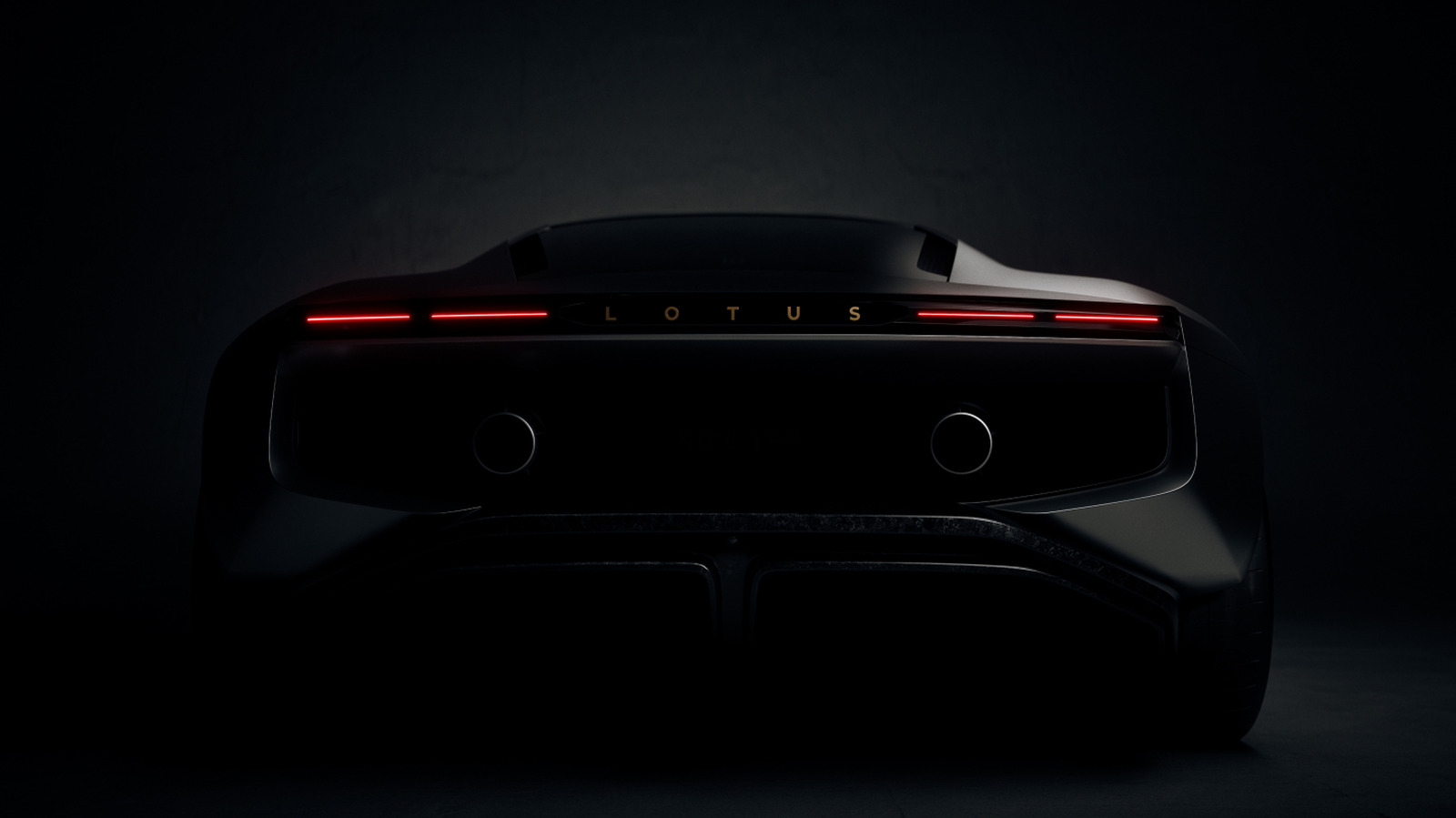

In a noteworthy shift, Lotus Cars previously declared its intention to cease the production of gas-powered vehicles, committing to a future as a pure electric vehicle (EV) manufacturer. However, recent global developments—such as advancements in climate change solutions, innovative methods for creating clean gas from air, and the resolution of geopolitical tensions affecting fuel access—have prompted a remarkable change in strategy. Today, Lotus has officially revealed its ambitious Focus 2030 plan, indicating a return to producing cars equipped with internal combustion engines (ICE), hybrids, and electric powertrains across its lineup.
The emphasis of this new initiative will predominantly be on hybrid vehicles, particularly highlighted by the innovative Hybrid-X technology featured in the China-specific version of the Eletre, known as the Eletre X. This vehicle, which aligns with Lotus’s penchant for distinctive Latin-inspired names starting with ‘E’, represents an exhilarating SUV that delivers performance typically associated with sports cars. Furthermore, the Hybrid-X technology is set to play a crucial role in the upcoming Type 135 supercar, anticipated to make its debut in 2028, with only a teaser image currently available. The Type 135 is designed to be a new flagship, boasting a hybrid V8 engine capable of producing an impressive 986 horsepower, and it is expected that this model will be manufactured in Europe.
As part of this strategic pivot, Lotus is also preparing to release an updated version of its final gas-powered car, the Emira, in the near future. The company has announced that this update will showcase “the most powerful and lightest Emira built,” catering to the ongoing and seemingly insatiable demand for gas-powered sports cars. It will be fascinating to observe how the Emira develops in comparison to the Type 135, especially considering that the last time Lotus produced a V8 supercar, it was the iconic Esprit. Notably, by the time the Esprit was discontinued in 2004, it had transformed into a mere shadow of the vehicle that famously featured in James Bond films.
This announcement not only outlines a new vision for Lotus in the approaching decade but also reflects a pragmatic adjustment of expectations. In the optimistic pre-2020 era, Geely aimed to elevate Lotus into a major player, targeting annual sales of 150,000 units. However, that goal has been significantly scaled back to 30,000 units, with hopes of achieving sustainable profitability. Given that the company’s annual sales have at times dipped below 10,000 units, this revised target remains quite ambitious. Nevertheless, the automotive market still has a strong need for Lotus Cars, and the anticipated unification of its UK and Chinese divisions is expected to enhance the company’s capacity for innovation.

 Ethan Carter