 Ethan Carter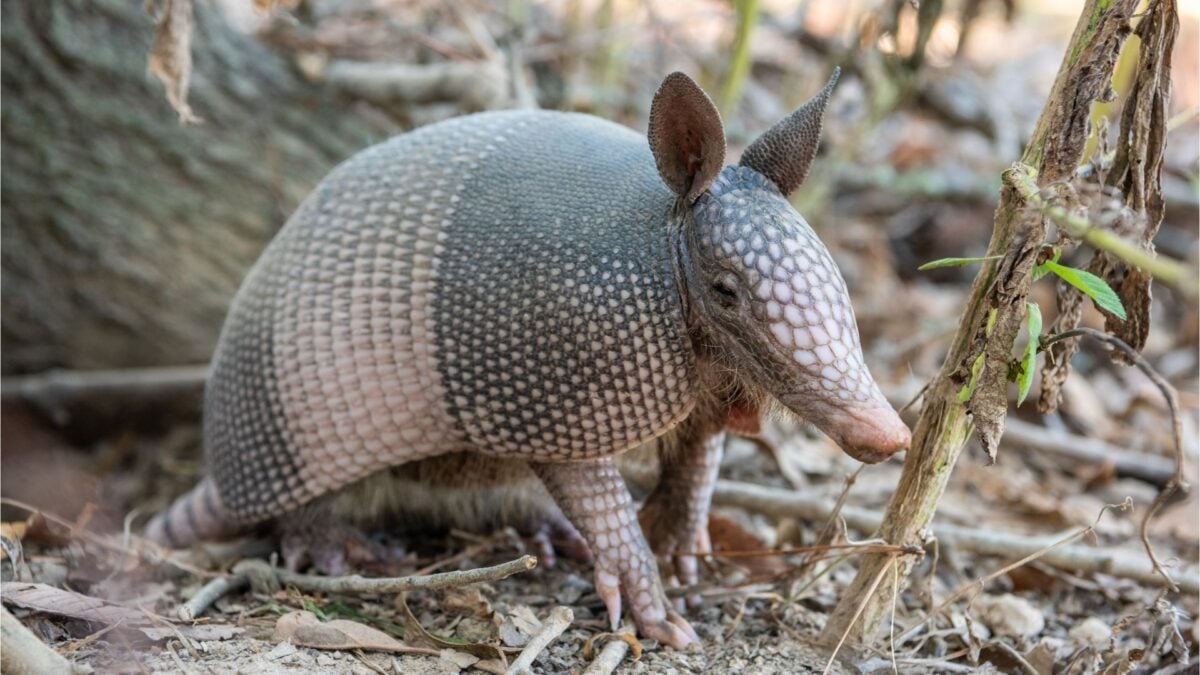

Florida is grappling with an emerging leprosy issue, potentially linked to its native armadillo population.
In recent years, the state has reported dozens of leprosy cases, many of which appear to have been contracted locally. Although leprosy remains a rare and difficult disease to transmit, evidence suggests it may be endemic in Florida. Notably, some infections have been traced back to interactions with the nine-banded armadillos found in the region.
Understanding Leprosy in Florida
Leprosy, known scientifically as Hansen’s disease, is primarily caused by the bacteria Mycobacterium leprae. These bacteria target specific cells in the body, particularly in the skin, allowing them to multiply. Symptoms, such as discolored lesions and sores, can take years to appear after initial exposure. Without treatment, the infection can progressively damage nerve and eye cells, leading to blindness and severe physical deformities.
Thanks to the introduction of antibiotics and enhanced sanitation measures, leprosy has become less common in many parts of the world, including the United States. Nonetheless, the disease remains widespread in certain countries, with global annual cases exceeding 200,000. In the U.S., around 200 cases are reported each year, most involving individuals who contracted the disease abroad. Recently, indications have emerged that these bacteria may be reestablishing their presence in parts of the southeastern United States, including Florida.
As per the latest statistics from the Florida Health Department, there have been 17 reported cases of leprosy, also referred to as Hansen’s disease, in the state this year. The year 2025 marked a rise in cases compared to previous years, with a total of 36 confirmed instances, 27 of which were likely acquired locally. A significant number of these cases originated in Central Florida.
Leprosy is typically transmitted through extended close contact with infected individuals. the nine-banded armadillo population in the southeastern United States has emerged as a potential source of zoonotic transmission, as these animals can naturally harbor the bacteria.
Assessing the Rarity of Leprosy Transmission
Despite long-standing fears surrounding leprosy, current understanding indicates that contracting the disease is exceedingly rare. Approximately 95% of the population possesses a natural resistance to the infection, and it usually requires prolonged contact over many months for those who are susceptible to become infected. The risk of transmission through armadillos appears to be minimal, according to the Centers for Disease Control and Prevention.
“This isn’t a problem of high incidents,” stated Joseph Ladopo, Florida’s surgeon general, in a recent interview with local news outlet WFTV.
Researchers continue to express concerns regarding leprosy. Some recent cases in Florida lack a clear source of transmission, including direct exposure to armadillos, leading to questions about how individuals contracted the disease. It is possible that the bacteria can be transmitted through frequent outdoor exposure, especially since research has indicated that these bacteria may survive within soil-dwelling amoeba. The droppings of armadillos could also play a role in these cases by contaminating the soil.
While leprosy is not the alarming threat it once was, it remains an issue to monitor, especially in states like Florida, where the bacteria may now be endemic.


 Daniel Mercer