 David Bridges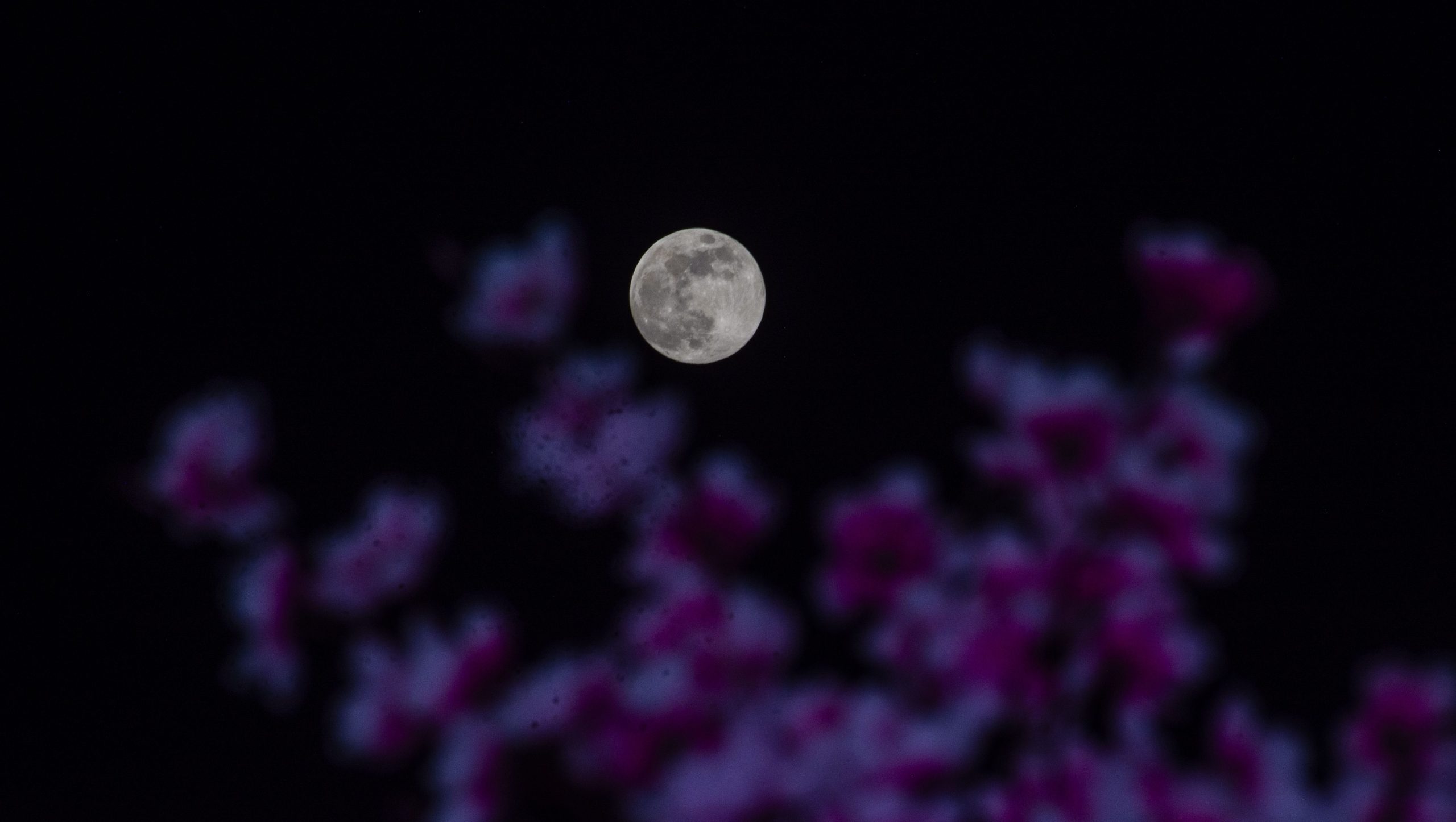

Tonight, stargazers and lunar enthusiasts will have the unique opportunity to observe the final supermoon of the year, famously known as the Beaver Moon. This celestial event not only captivates the eye but also holds significance in various cultural contexts. Here’s an in-depth look at when this spectacular phenomenon peaks, the intriguing origins of its name, and additional fascinating facts that will enhance your viewing experience.
Discover the Timing for the Last Supermoon of 2024
The Beaver Moon is set to achieve its maximum brightness and visibility on Friday, November 15, at precisely 4:29 p.m. EST, as reported by NASA. For those eager to catch this breathtaking sight, the Old Farmer’s Almanac offers detailed moonrise schedules tailored to various ZIP codes across the United States, ensuring that everyone has the chance to plan their viewing accordingly. Make sure to check this resource for the best local times to witness this extraordinary lunar event.
During this month’s supermoon, the moon will be positioned approximately 224,385 miles away from Earth. This proximity contributes to the moon’s larger and brighter appearance, making it an ideal time for photography and stargazing. Observers will notice its striking luminosity, which enhances the beauty of the night sky, providing a perfect backdrop for outdoor gatherings or quiet contemplation under the stars.
Unravel the Fascinating Story Behind the Name Beaver Moon
The name Beaver Moon originates from historical practices, as noted by the Old Farmer’s Almanac. This period marks the time when beavers are actively seeking shelter in their lodges after diligently preparing their food supplies for the long winter ahead. This name reflects the connection between nature’s cycles and human activity, highlighting the importance of this season for wildlife. Understanding the origins of this lunar name deepens our appreciation for the rhythms of nature and the significance of the moon in cultural traditions.
In addition to the Beaver Moon, various other names have been attributed to November’s full moon by Native American tribes, including the Frost Moon, Freezing Moon, Digging Moon, Deer Rutting Moon, and Algonquin Whitefish Moon. Each name encapsulates the essence of the season and reflects the unique relationship indigenous cultures have with the environment, further enriching the lore surrounding this lunar event.
Explore the Spectacular Series of Supermoons in 2024
The Beaver Moon is the fourth in a remarkable series of consecutive supermoons observed in 2024. The first of these occurred in August, known as the Supermoon Blue Moon or the Sturgeon Moon. Following that, September showcased a Super Harvest Moon, which was particularly notable for featuring a partial lunar eclipse. In October, skywatchers were treated to the Super Hunter’s Moon, recognized as the closest full supermoon of the year. Each of these events has provided unique opportunities for celestial observation and have captivated audiences with their beauty and grandeur.
Plan Ahead: First Supermoon of 2025 Is Just Around the Corner
Looking forward, the year 2025 promises to be equally exciting with three anticipated supermoons beginning in October, as detailed by Earthsky.org. The inaugural event will take place on October 7, followed by another dazzling display on November 5, and concluding with a final supermoon on December 4. Enthusiasts should mark their calendars, as these upcoming supermoons will offer further opportunities to marvel at the wonders of the night sky and engage in meaningful experiences under the stars.
Maximize Your Viewing Experience for the Supermoon
- Timing is key: To fully appreciate the supermoon’s grandeur, aim to observe it during moonrise or moonset when it is positioned near the horizon, creating a breathtaking spectacle.
- Escape light pollution: For the best viewing experience, consider traveling outside urban areas to escape the interference caused by artificial lighting, enhancing your ability to appreciate the moon’s brilliance.
- No special equipment needed: The supermoon is easily observable with the naked eye; however, utilizing binoculars or a telescope can provide an enriched perspective and reveal more intricate details of its surface.
- Frame the view: When the moon appears low on the horizon and is framed by natural landmarks, it creates an optical illusion that makes it appear even larger, providing a stunning visual effect for photographers and observers alike.