David Bridges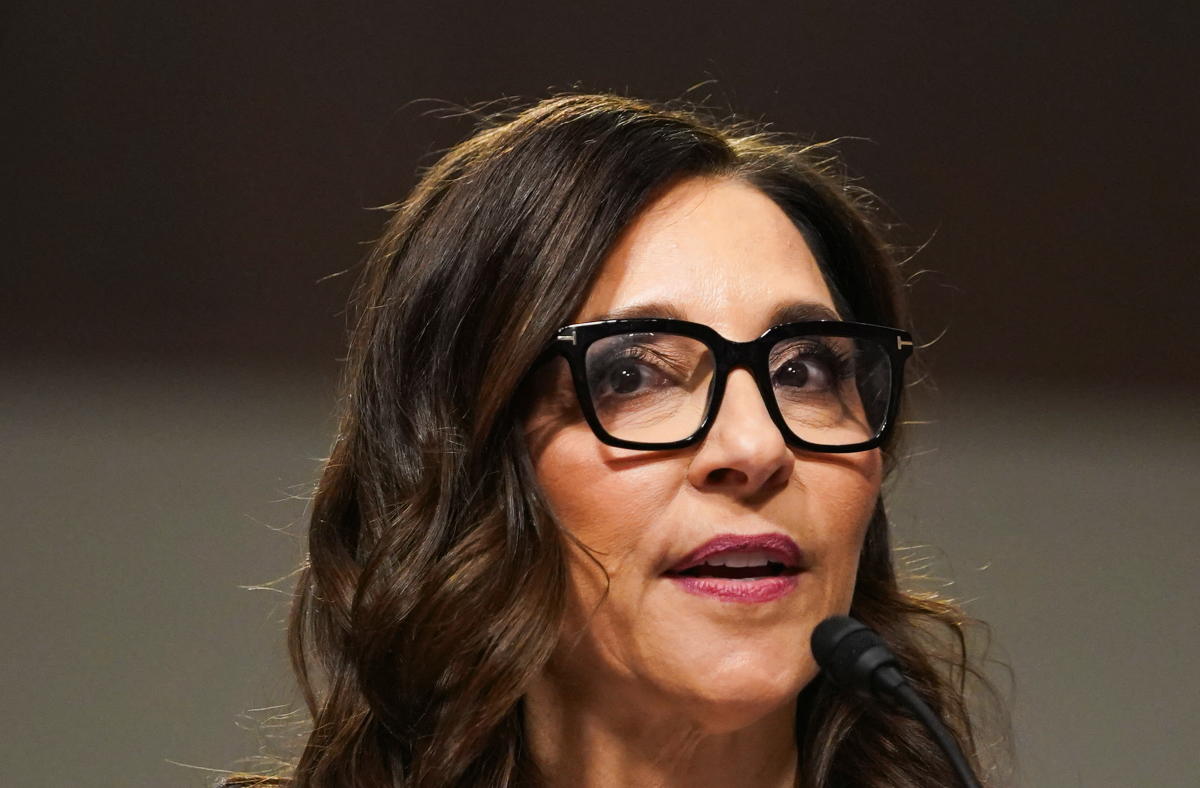
On Saturday, prominent Senators announced significant modifications to the Kids Online Safety Act (KOSA), collaborating with X to enhance the legislation while preserving free speech online and preventing it from being utilized as a tool for suppressing expression. The Senate successfully passed the bill with a decisive vote of 91-3; however, progress has since stalled in the House of Representatives. Advocates are intensifying their efforts to see the bill enacted before the year concludes. Linda Yaccarino, the CEO of X, also took to social media to discuss the collaboration and urged Congress to prioritize the passage of this essential legislation.

In a statement posted on X, Yaccarino expressed, “After collaborating closely with the bill authors, I am thrilled to announce that we have made significant strides to bolster the protection of freedom of speech while ensuring the safety of minors online.” KOSA aims to shield young users from addictive social media features and harmful content by placing a clear “duty of care” on platform owners. However, some critics have raised concerns that this could inadvertently lead to censorship and other adverse repercussions. The recent amendments clarify the criteria under which the duty of care can be enforced and tighten its focus on anxiety and depressive disorders, stipulating that these conditions must be “objectively verifiable” and associated with “compulsive usage.”
In their unified statement, Senators Blumenthal (D-Connecticut) and Blackburn (R-Tennessee) expressed their sentiments:
“These changes should dispel the misleading narrative that this legislation could be misused by unelected officials to censor American citizens. We extend our gratitude to Elon and Linda for their courageous leadership and dedication to safeguarding children online, helping us bring this bill to fruition this Congress. We appreciate that this endorsement and refined language align with their publicly articulated goal of promoting free speech without the threat of censorship. We reiterate X’s call for the swift passage of KOSA by year’s end — the support for this legislation is evidently robust within Congress.”
Initially introduced in February 2022, KOSA has encountered resistance from various organizations, including the ACLU and the Electronic Frontier Foundation. Throughout its journey, the bill has undergone multiple revisions to address concerns and improve its framework.


 Daniel Mercer
 Brandon Fletcher