 Daniel Mercer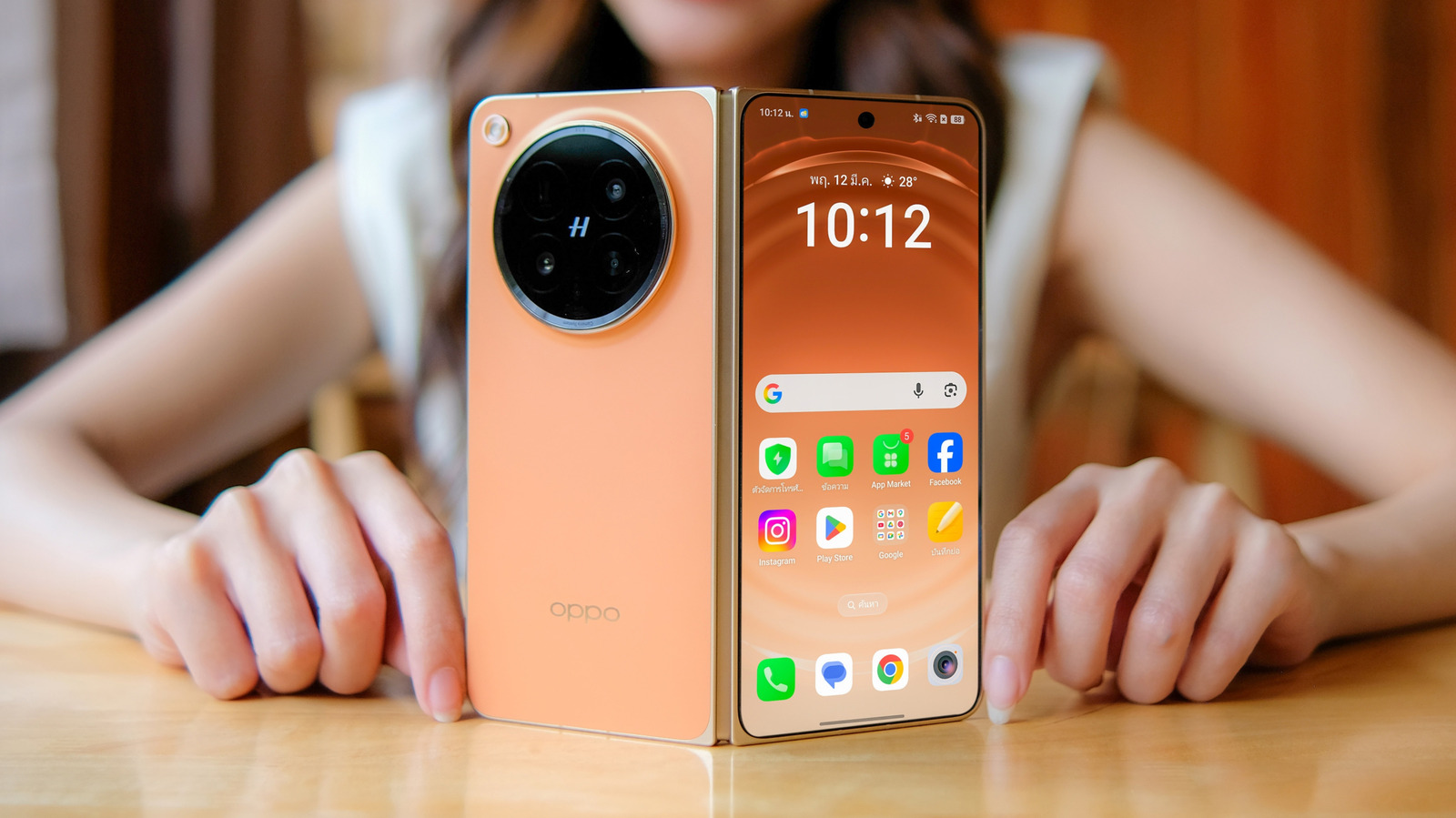

Important considerations to keep in mind when purchasing a phone from overseas.
In the United States, consumers have a wide array of smartphone choices, from the latest iPhone to Google Pixel models. several intriguing devices are not available in local stores. Brands like Xiaomi, with its innovative foldable designs such as the Mix Fold, Honor’s captivating Magic series, and OPPO’s Find X lineup, provide unique features and aesthetics that are often missing from the U.S. market.
While these models may be difficult to find domestically, importing them is an option. Yet, this process comes with certain challenges. Issues may arise regarding compatibility with local carriers or obtaining warranty support, among other factors. If you are contemplating the purchase of an imported phone, it’s essential to verify a few critical details beforehand.
What essential factors should you consider before purchasing an international phone?
Robert Way/Shutterstock
Acquiring an imported smartphone has become significantly more straightforward in recent years. Most modern devices are engineered to function globally across various cellular bands. some models may not be compatible with the frequency bands used by U.S. carriers. Before making a purchase, verify whether the phone you are interested in aligns with your carrier’s frequency specifications. Choosing an incompatible version could result in limited connectivity, such as being restricted to LTE without access to 5G.
Carrier-specific functionalities can also present challenges. Features such as Wi-Fi calling, VoLTE, and visual voicemail typically require device certification. Even if your imported device successfully connects to your carrier’s 5G network, it might miss out on these essential features. network requirements can evolve, meaning a device that operates smoothly today could face compatibility issues down the line. It’s advisable to explore user feedback on platforms like Reddit to gather insights from individuals who have purchased the same model.
Software updates are another crucial aspect to consider. The distribution of Android updates may depend on carrier or regional factors. certain Chinese smartphones may lack compatibility with Google Play Services, which are integral to the typical Android user experience. This could necessitate manual installation of updates, and the software may come preloaded with Chinese applications and services that are not useful or understandable to you.
Obtaining warranty support for these devices in the U.S. can be problematic. Many brands don’t have a formal presence in the country, resulting in a lack of customer support. Addressing issues such as a malfunctioning battery or a damaged screen may require reliance on third-party repair shops with no official approval from the manufacturer.
What are the advantages of importing a smartphone?
Robert Way/Shutterstock
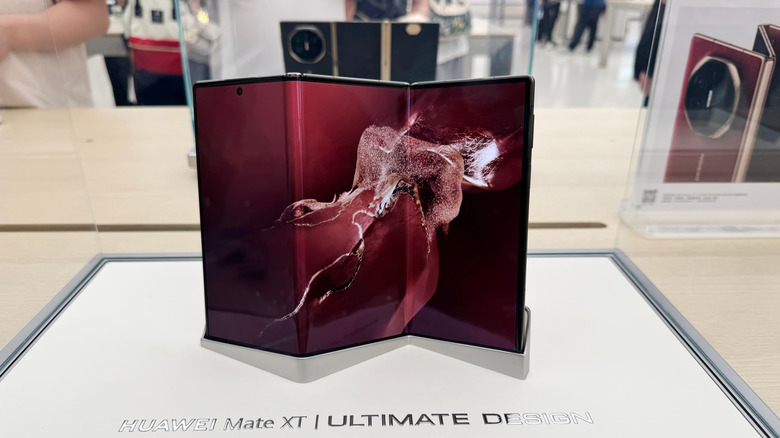
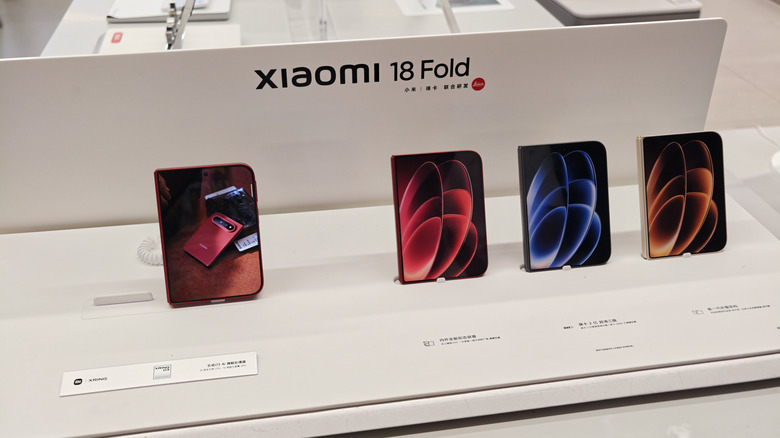
If you are willing to navigate these complexities, importing a phone from abroad can be an exciting adventure and introduce you to innovative hardware that is not available in the U.S. Numerous Chinese manufacturers are releasing captivating devices, including three-screen foldables, flagship models equipped with DSLR-quality cameras, and smartphones boasting large battery capacities. For instance, the Xiaomi 18 Fold resembles the iPhone Duo but offers additional features such as a larger battery and superior cameras, all at a lower price point (approximately $1,640). you’ll need to acquire it overseas to use it in the U.S.
For technology enthusiasts eager for the latest releases, importing can provide access to new models prior to their official U.S. launch. many international smartphones support dual physical SIM cards, a feature that has become increasingly rare in U.S. models, which now predominantly favor eSIM technology. If you can accept the potential challenges, the experience can be rewarding. if having local support and guaranteed functionality with your network is a priority, it may be simpler to select a phone that is officially available in your region.


 Brandon Fletcher