David Bridges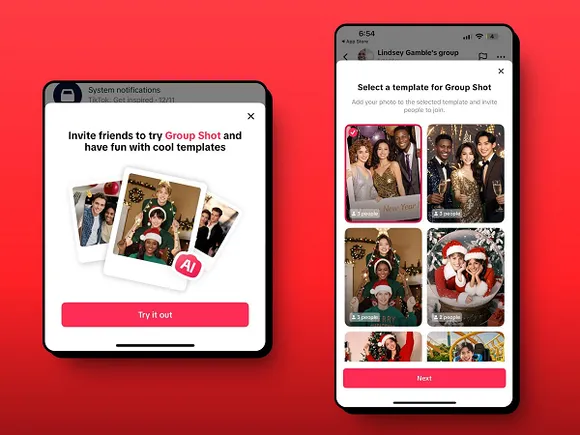

Have you ever wondered what makes TikTok so appealing to its users, and how it has rapidly gained popularity, even surpassing Instagram in many aspects?
The answer lies in TikTok’s superior functionality and user engagement. With advanced algorithms and intuitive processes, TikTok consistently delivers an enhanced user experience. This includes swiftly recognizing your changing interests, providing an improved user interface for seamless communication, and integrating in-app shopping features that are becoming increasingly popular among users.
Moreover, TikTok is at the forefront of AI technology, continually introducing innovative features that extend beyond basic functionalities like chatbots and generic AI profiles, which often lack practicality in daily use.
Instead, TikTok focuses on integrating a suite of useful AI functionalities that resonate with current usage patterns, steering clear of AI features that merely encourage users to create random images without context or purpose.
In fact, over the past month, TikTok has significantly expanded its generative AI offerings. This includes innovative tools like the “AI Group Shot” feature, allowing users to personalize images by adding pictures of themselves and their friends into customizable templates.
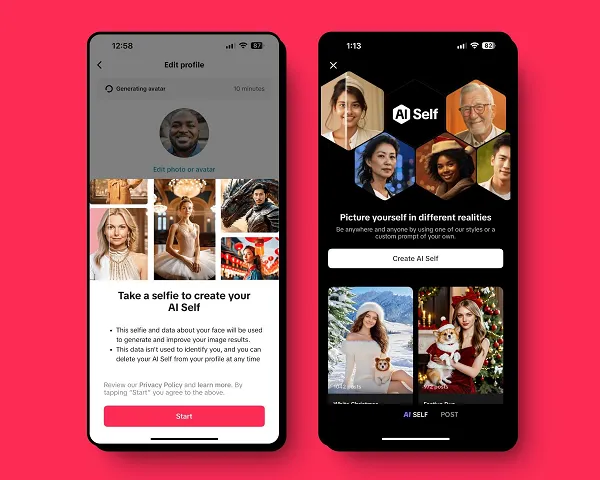
This feature exemplifies the engaging use of generative AI, as it serves a practical purpose rather than simply generating random images from vague prompts. Additionally, the “AI Self” option further enhances the user experience by personalizing interactions.
In contrast, Meta also offers similar features with its “Imagine Yourself” AI prompts, accessible through its AI chatbot, but the effectiveness of these tools varies significantly.
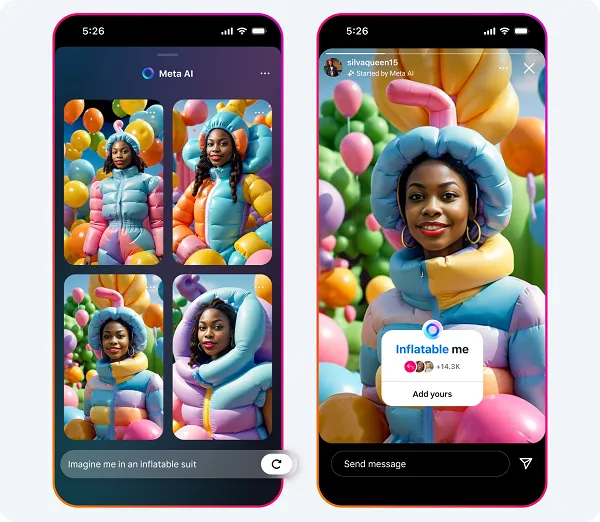
However, Meta’s AI-generated images often appear less realistic and focus more on hyper-realistic creations that do not reflect genuine human experiences or personal connections.
This distinction is crucial for a social media platform, as users typically seek to share authentic thoughts, feelings, and experiences that resonate on a personal level.
This is why Meta’s AI prompts often feel uninspired and disconnected from real human interactions.
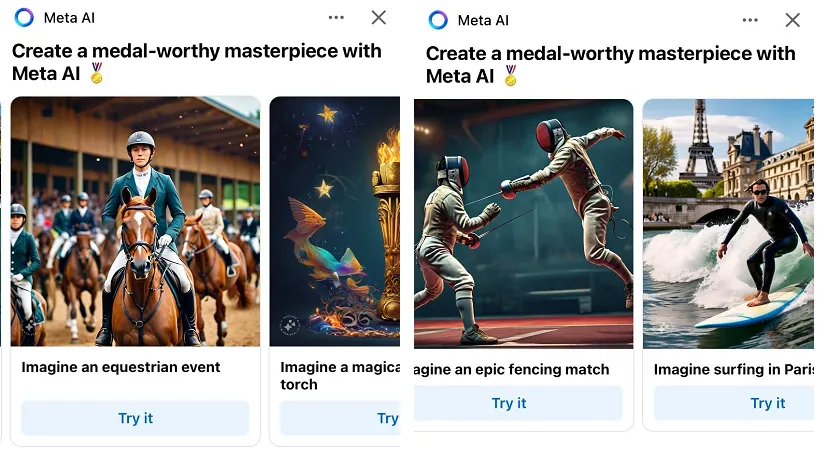
The randomness of Meta’s AI features lacks the personal touch and fails to connect with the real-life experiences of users. Instead, they seem to encourage users to generate images just for the sake of it, which often results in a lack of meaningful engagement.
Conversely, TikTok’s AI functionalities are seamlessly integrated with the app’s core mission of fostering connection and entertainment within a vibrant community, aligning with the latest trends and user expectations.
Furthermore, TikTok is actively developing additional AI tools that enhance user engagement, such as features that allow users to convert their personal images into trending memes, making content creation more accessible and fun.
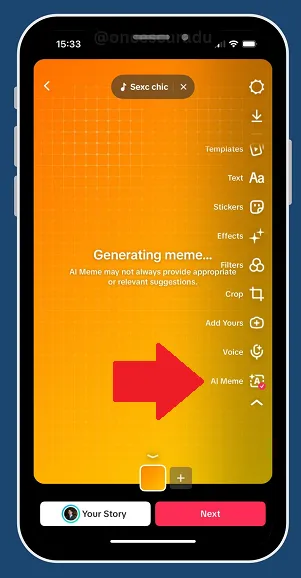
Additionally, TikTok is enhancing its editing and creation tools, which include AI-driven suggestions for video captions. This initiative could significantly boost your content visibility by aligning your captions with trending searches within the platform.

Such features not only improve user experience but also facilitate content opportunities, helping users craft engaging posts that resonate with current trends.
Ultimately, all these AI tools are designed to enrich the user experience on TikTok rather than attempting to revolutionize it unnecessarily.
This user-focused approach is a significant reason why TikTok has maintained its edge in the competitive social media landscape. The potential removal of TikTok in the U.S. due to government regulations would not only be a setback for the platform but also a loss for its dedicated user base.
While Meta continues to adapt to technological trends and strives to maximize user engagement, instances like these illustrate the consistent gaps in Meta’s strategies, even as it attempts to replicate successful features from other platforms.
It’s clear that Meta lacks the same understanding and connection with its audience as other social media apps do.
Consider this: “What was the last major innovation Meta introduced in its social apps that wasn’t inspired by another platform?”
Although replicating features from competing apps may eventually lead Meta in the right direction, this ongoing gap has allowed competitors to steadily chip away at its market share and influence.
Thank you to Lindsey Gamble and Radu Oncescu for their insights on these AI advancements.


 Troy Sanders
 Clara Hastings