 Brandon Fletcher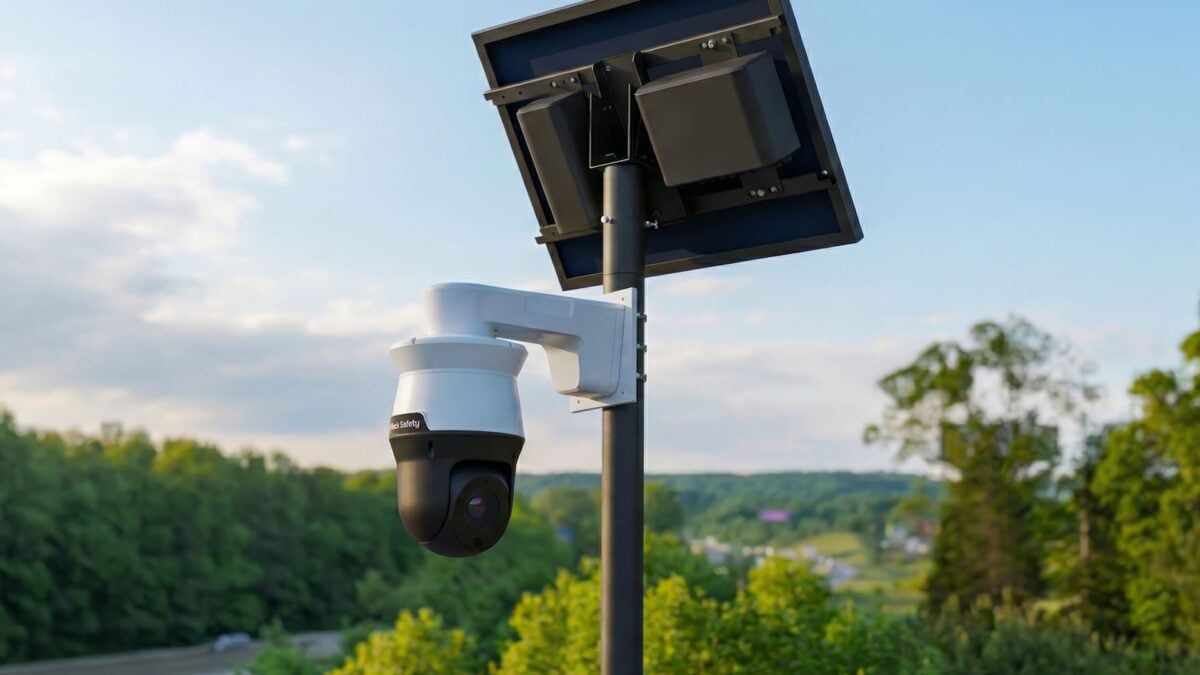

Flock Safety boasts a network of over 120,000 cameras equipped with automatic license plate recognition technology, serving more than 12,000 clients across 49 states. These cameras are designed to monitor traffic violations nationwide. recent findings suggest that these automated systems may need improvements. A report by Business Insider revealed that a review of alerts sent from Flock’s cameras to the Roseville Police Department in California indicated a high incidence of incorrect plate identifications.
The investigation examined a two-year timeframe from 2023 to 2024, during which the Roseville PD received 1,427 alerts from Flock cameras. These alerts were intended to inform law enforcement about vehicles linked to criminal activity, including those involved in felonies or reported stolen. Alarmingly, 71% of the alerts regarding stolen vehicles or those implicated in felonies were based on misread license plates, indicating a significant rate of false positives.
Flock Safety has attempted to clarify this situation, although their explanation lacks convincing evidence. A company spokesperson informed Gizmodo that most misreading incidents occurred in 2025 or earlier. “We’ve confirmed with Roseville that the performance of the cameras has significantly improved,” they stated. this assertion has been disputed by the Roseville PD, as reported by Business Insider.
In their statement to Gizmodo, the spokesperson also highlighted that the issues arose from Roseville’s specific deployment of the equipment. “Roseville opted for a unique setup based on their preferences, which included older hardware and non-standard installation locations. This resulted in cameras being positioned farther from vehicles and at heights we wouldn’t typically recommend,” they explained. According to Business Insider, the Sacramento suburb requested Flock to focus solely on scanning the backs of vehicles to avoid capturing facial images.
Flock labeled the 71% misreading rate as a “mischaracterization,” emphasizing that this figure pertains exclusively to instances where their system flags plates associated with felony charges. “As part of our internal improvement processes, we recently conducted accuracy tests. Under optimal deployment conditions, we achieve over 99% capture rates in clear and rainy weather, with more than 96% OCR accuracy and over 97% accuracy in identifying the state of the plates,” the spokesperson claimed.
This statistic encompasses all scans, including those that do not result in a hit. Flock cameras continuously scan every vehicle passing by, implying that while their system is highly effective at logging vehicles in their database, it may falter significantly when determining a vehicle’s association with criminal activity. This raises concerns about the reliability of the alerts generated.
It appears that Flock is aware of these shortcomings. Business Insider reported that the Roseville PD repeatedly communicated issues regarding erroneous reads and other problems to Flock over a span of four years. Fortunately, the department has not arrested or stopped anyone based solely on inaccurate Flock scans. Still, it is troubling that authorities receive alerts that are incorrect seven out of ten times, leading to a financial expenditure of approximately $450,000 for dealing with misleading information.
Roseville is not alone in experiencing challenges with Flock’s technology. Unfortunately, many other police departments have not been as critical of the information provided by these cameras. The Institute for Justice has documented at least 27 instances of drivers being wrongly pulled over, detained, or arrested due to alerts from Flock cameras. In one alarming incident earlier this year, police in Arkansas confronted a family at gunpoint after a Flock scan indicated their vehicle was stolen. In another case in San Diego, a man spent nearly a month in jail after being falsely identified as linked to a violent crime by Flock cameras.
It remains uncertain whether communities across the nation are aware of these issues. Citizens should not have to endure flawed technology that compromises their privacy and jeopardizes their safety. There is no necessity to install systems that could lead to significant civil rights violations, especially when wrongful arrests stem from inaccurate license plate scans. Communities can choose to forgo the installation of such cameras altogether.


 Daniel Mercer
 David Bridges