David Bridges

LeBron James has plunged into the political arena by releasing a powerful 75-second video that boldly criticizes Donald Trump, labeling him a “racist.” In a clear show of support, he declares his intention to vote for Kamala Harris. LeBron’s engagement in this significant election underscores the importance of celebrity influence in shaping public opinion and voter behavior, particularly within the context of the African American community. His choice to back Harris reflects a growing trend among prominent athletes to leverage their platforms for political advocacy, making their voices heard in crucial electoral moments.
In the video, James skillfully compiles historical civil rights protest footage alongside past statements made by the Republican nominee, creating a compelling narrative that aims to resonate with viewers. This montage serves not only as a visual representation of his message but also as a reminder of the ongoing struggles faced by marginalized communities in the United States. By juxtaposing these elements, LeBron highlights the critical issues at stake in the upcoming election and reinforces the significance of voter participation in advocating for social justice and equality.
LeBron’s video quickly sparked intense backlash from Trump supporters, who accused him of misleading the public by sharing an edited and out-of-context clip. This reaction illustrates the highly polarized nature of contemporary politics, where public figures can face significant scrutiny for their statements and actions. Critics argue that such tactics may distort the facts and mislead voters, underlining the challenges faced by celebrities who choose to engage in political discourse. This incident reflects the broader landscape of misinformation and the importance of media literacy among voters as they navigate the complexities of modern elections.
The portrayal of Trump in the video is stark and unequivocal, depicting him as a deeply flawed individual. However, polling data indicates that many voters may not share this perspective. Recent surveys suggest that Trump is actually gaining traction among Black voters, particularly Black men, compared to previous election cycles in 2016 and 2020. This trend raises critical questions about the effectiveness of celebrity endorsements and the evolving dynamics of voter sentiment, highlighting the complexities surrounding identity and political affiliation in the current electoral landscape.
What are we even speaking about right here?? After I take into consideration my children and my household and the way they’ll develop up, the selection is apparent to me. VOTE KAMALA HARRIS!!! pic.twitter.com/tYYlTmQS6e
— LeBron James (@KingJames) October 31, 2024
@KingJames
Ultimately, with less than a week remaining until Election Day, the candidates appear to be in a tight race, highlighting the unpredictable nature of electoral outcomes. As both sides ramp up their campaigns and mobilize their supporters, it remains uncertain who will emerge victorious on November 5. This uncertainty underscores the significance of voter turnout and engagement in determining the fate of the election, reminding citizens of their power in shaping the future of their communities.
When discussing his reasons for supporting Kamala Harris, LeBron refrained from elaborating on specific policies. Instead, he expressed a heartfelt sentiment, stating, “What are we even talking about here?? When I think about my children and my family and how they’ll grow up, the choice is clear to me.” This personal reflection emphasizes the emotional weight of voting decisions, particularly for parents who are concerned about the future and well-being of their families. LeBron’s message resonates with many voters who prioritize issues such as education, healthcare, and social justice in their electoral choices.
This is not the first time that LeBron has engaged in political discourse. He has previously endorsed other Democratic candidates, including Barack Obama, Hillary Clinton, and Joe Biden, while often criticizing Trump throughout his presidency. LeBron’s consistent advocacy for progressive values and social justice highlights his commitment to using his platform for meaningful change. His history of political engagement illustrates how athletes can influence public sentiment and inspire their fans to participate in the democratic process.
It’s worth noting that in 2017, LeBron referred to Trump as a “bum” after the president rescinded the Golden State Warriors’ invitation to visit the White House following their NBA Finals victory. LeBron’s remark, “Going to the White House was a great honor until you showed up!” exemplifies his willingness to speak out against actions he perceives as harmful or disrespectful. Such candid critiques from influential figures like LeBron can galvanize public discourse and encourage fans to align their political beliefs with their values.
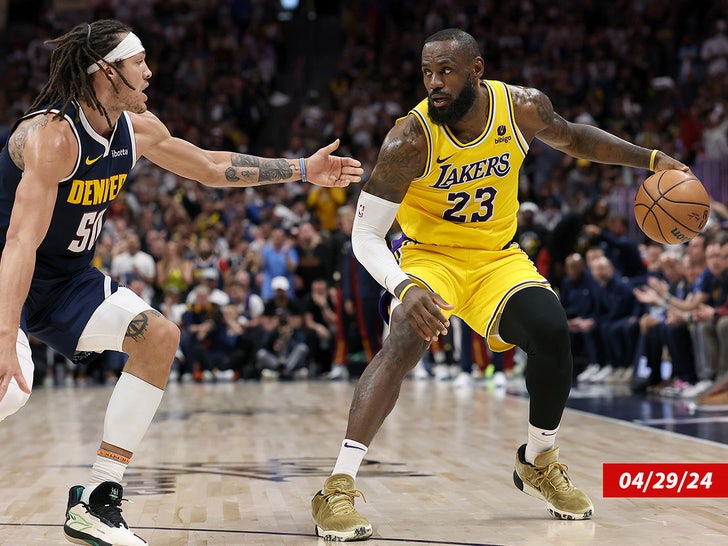
LeBron has also criticized Trump for alleged derogatory remarks about African nations, referring to them as “s*hole countries.” Additionally, the two have clashed over Colin Kaepernick’s national anthem protest, demonstrating the ongoing conflict between athletes’ activism and political responses. These exchanges not only reflect the broader societal tensions but also highlight the role of sports figures in advocating for social change and challenging the status quo.
In 2020, LeBron co-founded the initiative More Than A Vote, aimed at empowering and protecting Black voters, particularly in the wake of the tragic death of George Floyd. This initiative focuses on combating voter suppression and ensuring equitable access to the electoral process for all citizens. LeBron’s dedication to this cause exemplifies how sports figures can leverage their influence to address critical social issues and mobilize communities toward civic engagement.
LeBron James has now joined the ranks of other influential personalities who have publicly engaged in what is considered one of the most fiercely contested elections in recent history. His involvement emphasizes the vital role that celebrities play in shaping political discourse and encouraging voter participation, especially among younger demographics. As the election approaches, the actions and statements of high-profile figures like LeBron can significantly impact public opinion and voter turnout.

 Tessa Everly