 Sophie Langley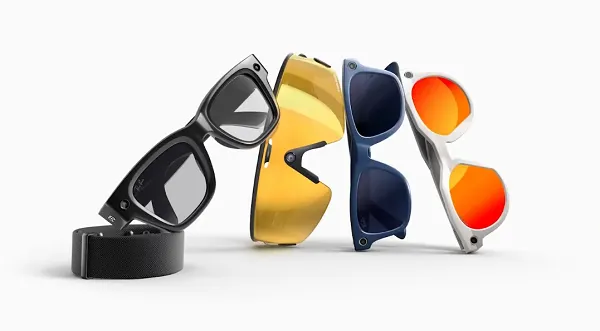

Andrew Bosworth, the Chief Technology Officer of Meta, has officially announced that the company is considering integrating facial recognition technology into its Meta AI glasses.
This week, during an interview with journalist Nicholas Thompson, Bosworth revealed that the potential use of facial recognition aims to assist visually impaired individuals in regaining their independence.
Bosworth explained, “If you ask the blind community what their top request is, it’s ‘who’s in the room with me? Tell me who’s here.’ They’re not looking for a global database of faces. They want to know, ‘Which people I know are present?’”
He emphasized that the integration of facial recognition could significantly assist visually impaired and elderly users in better navigating their surroundings.
“[In] a veterans group that supports individuals with traumatic brain injuries…these individuals often face challenges with memory,” Bosworth noted. “They struggle with cognition. This has come up as a primary request for them. ‘I just want to know who I’m talking to, how do I know them, and what is my history with this person?’”
Bosworth reiterated that the purpose of this feature is not to create a central database of faces similar to Face ID. Instead, it aims to help users recognize familiar individuals through digital name tags.
Thompson clarified with Bosworth that this feature does not intend to identify unknown individuals.
Instead, Bosworth stated, the glasses would allow users to identify people who have been “encrypted locally on your device, someone you met in person while wearing your glasses who introduced themselves, or you said, ‘Okay, this is David, remember this person.’”
Bosworth confirmed that this functionality would only operate when users are wearing the glasses, and it could be beneficial across various scenarios.
“You’d find it useful,” Bosworth stated. “I go to events where I definitely recognize someone. As a journalist, you must meet people constantly, but you often forget names and contexts. When was the last time we spoke? What’s the background here?”
Bosworth referred to this challenge as “the cocktail party problem,” and he believes this feature could effectively address it.
It is not surprising that Meta is exploring this technology, as multiple reports throughout the year have suggested such developments.
However, in recent weeks, Meta has strongly denied any plans for this technology and criticized media outlets for reporting on the potential introduction of Face ID capabilities.
What is behind this contradictory messaging?
In February, reports indicated that Meta aimed to implement an update to its Meta AI glasses allowing facial recognition. The company reportedly hoped that ongoing political turmoil would provide an opportunity to launch this feature with minimal scrutiny and criticism regarding privacy issues.
This is an area Meta is quite familiar with. In 2021, the company was forced to shutter its facial recognition operations on Facebook due to user backlash against automated face detection, particularly regarding photo tagging.
That incident raised numerous concerns about how the company tracked and stored facial identification data. This, along with various public relations issues, prompted Meta to rebrand itself and distance from previous controversies.
The potential reintroduction of facial recognition is something the company is approaching with extreme caution to avoid repeating past privacy blunders.
Last month, Meta removed elements of facial ID from the back-end code of the Meta AI device driver, following a report from Wired that raised concerns about the addition. Meta spokesman Andy Stone criticized Wired’s coverage, describing it as “shoddy” and “intellectually dishonest.” Bosworth echoed these sentiments, labeling Wired’s reporting as “incredibly misleading.”
Nevertheless, Bosworth has confirmed that Meta is indeed considering the addition of facial identification capabilities to the device, aligning with what Wired had reported.
What accounts for the aggressive and seemingly false denial?
Meta remains acutely aware of the negative press surrounding surveillance technologies. the company appears to have opted to challenge these reports to minimize their impact.
Perhaps, by vehemently denying these suggestions, the company hoped to mitigate any early backlash and then discreetly launch the feature while attracting less media attention.
Regardless, it seems disingenuous for the company to vehemently refute reports while simultaneously developing the technology those reports describe.
The bottom line is that facial recognition technology is likely on its way to Meta AI glasses, regardless of how Meta presents it as a benefit or not.


 Maya Kensington
 Clara Hastings