 David Bridges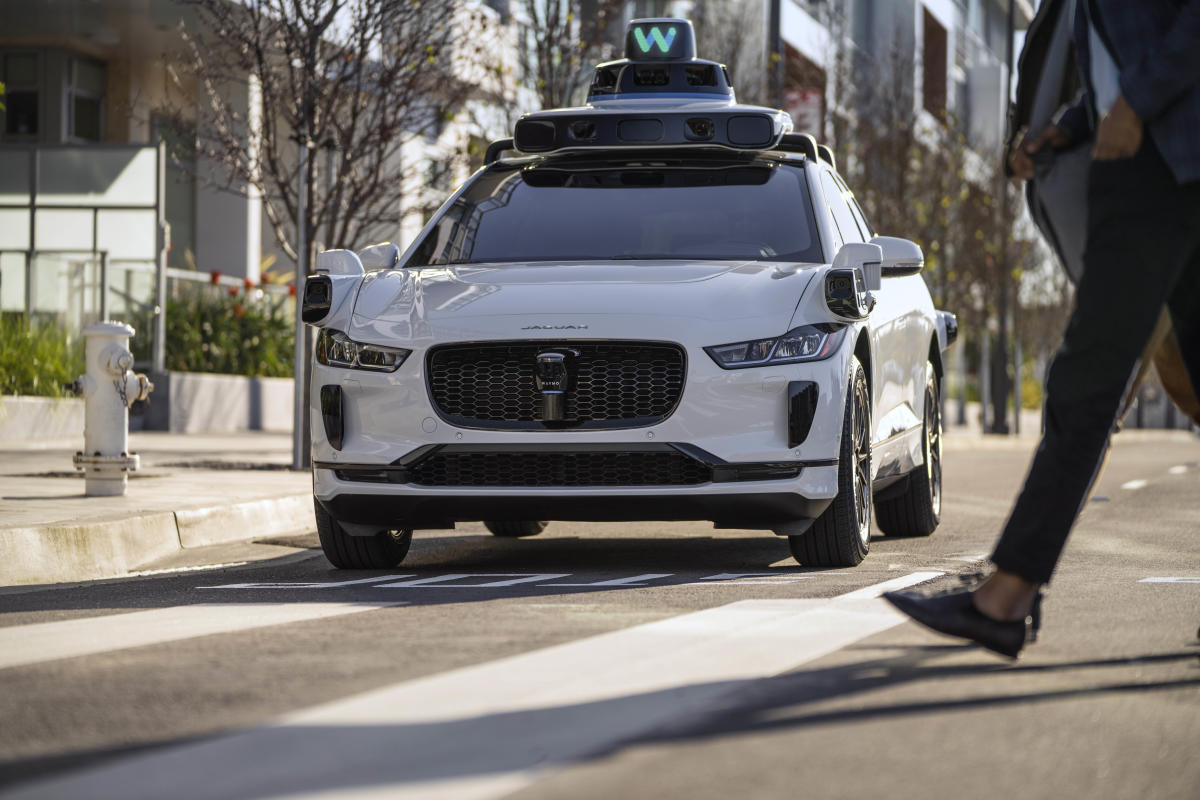
Waymo’s cutting-edge fleet of autonomous vehicles is revolutionizing transportation, and recent research suggests that these self-driving cars could significantly lower the frequency of roadway accidents. A collaborative study conducted by Waymo and Swiss Re, a leading reinsurer, reveals that Waymo’s vehicles lead to a reduction in insurance claims compared to cars operated by human drivers. This partnership highlights the potential of driverless technology to enhance safety on our roads.

Swiss Re’s analysis focused on liability claims from incidents involving over 25.3 million miles driven by Waymo’s autonomous fleet. This comprehensive study also benchmarked Waymo’s liability claims against those from human drivers, utilizing data from more than 500,000 claims and over 200 billion miles of driving. The findings indicate that Waymo Driver showcases superior safety performance, markedly outperforming vehicles driven by humans in various scenarios.
The results of the study are compelling, revealing that vehicles operated by Waymo’s innovative technology resulted in an astounding 88 percent reduction in property damage claims and an impressive 92 percent decrease in bodily injury claims. These statistics not only underscore the safety advantages of autonomous driving but also emphasize the potential for reducing the overall costs associated with road accidents.
Swiss Re introduced a novel metric to directly compare Waymo Driver with newer vehicles equipped with advanced safety features like driver assistance systems, automated emergency braking, and blind-spot warnings. This focused comparison revealed that Waymo still outperformed in terms of safety, achieving an 86 percent reduction in property damage claims and a 90 percent decline in bodily injury claims against this specific subset of vehicles.
However, there are notable challenges to consider. Firstly, Waymo currently operates predominantly in urban environments, which do represent a significant portion of crashes in the United States. Nevertheless, rural areas disproportionately account for a higher proportion of fatal accidents relative to their population size. Interestingly, the study suggests that including data from exurban areas may actually detract from Waymo’s positive safety statistics. Secondly, the relatively short operational history of Waymo limits the accuracy of long-term safety assessments, making it difficult to draw definitive conclusions.
While the statistics may seem promising for Waymo Driver, they are not without their imperfections. Recently, Waymo issued its second recall due to an incident involving one of its robotaxis. The National Highway Traffic Safety Administration has initiated inquiries into Waymo, uncovering 24 incidents related to crashes or traffic violations, which raises important questions about the ongoing safety and reliability of autonomous vehicles.


 Daniel Mercer
 Brandon Fletcher