 Brandon Fletcher


Delivery robots often struggle to navigate the complexities of sidewalks and roadways.
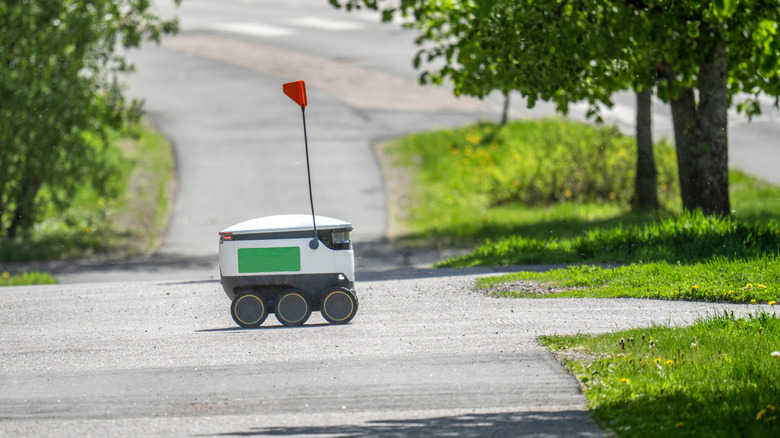
When people encounter a delivery robot navigating the sidewalk, their reactions often diverge. Some find joy in the whimsical design and functionality of these machines, perceiving them as charming helpers. Others, however, experience frustration when these so-called “clankers” obstruct their path. Regardless of personal sentiment, delivery robots are increasingly prevalent in urban environments across various countries.
The journey of delivery robots began in Estonia in 2014, thanks to the innovative efforts of Skype co-founders Ahti Heinla and Janus Friis, who founded Starship Technologies. Initially a modest endeavor, the demand for delivery robots surged during the pandemic. Today, Starship operates in over 80 cities throughout North America, Europe, and Asia, alongside emerging competitors such as Serve Robotics, Coco Robotics, and Delivers.AI. Notably, DoorDash has also introduced its own fleet of delivery robots. As their presence grows, so do the challenges associated with their deployment.
Identifying Key Challenges Faced by Delivery Robots
Many delivery robot companies, including Coco, initially relied on human drivers for remote navigation. the industry has shifted towards autonomous systems that utilize a blend of cameras, sensors, and GPS technology. Human oversight is now limited to critical interventions. Unfortunately, various environmental factors, such as uneven sidewalks and unexpected construction, can disrupt a robot’s navigation abilities. These issues can result in operational delays or even damage to public property. A notable incident involved a delivery robot causing damage to a bus stop in Chicago.
The implications for pedestrian safety are particularly concerning. Some issues may seem minor, like robots disrupting outdoor dining areas or crowded storefronts, while others pose significant risks. Although delivery robots are designed to yield to pedestrians, there have been multiple reports of individuals needing to step aside for them. This is especially troubling for those with limited mobility or wheelchair users, as it raises accessibility concerns under the Americans with Disabilities Act (ADA). In more severe cases, delivery robots have caused physical injuries; for instance, a man in New Jersey sustained a broken shoulder and head injury after being struck by a delivery robot while riding his bike.
Exploring the Future Potential of Delivery Robots
Sitikka/Getty Images
Despite the challenges they face, the use of delivery robots is expected to grow significantly. A recent analysis by Transforma Insights forecasts that by 2035, there will be 559,000 automated urban delivery vehicles globally, a dramatic increase from 28,000 in 2025. This shift could greatly influence the gig economy, particularly for companies like Uber Eats and DoorDash, which have faced criticism regarding the fair treatment of their drivers. Delivery robots offer a cost-effective solution for boosting company profits. current models are limited to a range of approximately two miles, restricting their deployment primarily to urban areas, which means human intervention remains essential for now.
Many challenges surrounding delivery robots arise from inadequate regulations. Currently, numerous regions lack guidelines governing their operation, and in over 20 states, these delivery devices are classified as pedestrians. This regulatory landscape is slowly evolving, as major cities such as Chicago, San Francisco, and Toronto have begun implementing restrictions or outright bans on delivery robots. the use of cameras in these robots has sparked privacy concerns, prompting scrutiny from regulatory authorities and potentially leading to further legislation. While the presence of delivery robots is likely to remain, it is hoped that the associated issues will diminish over time.


 Daniel Mercer