Ivy Caldwell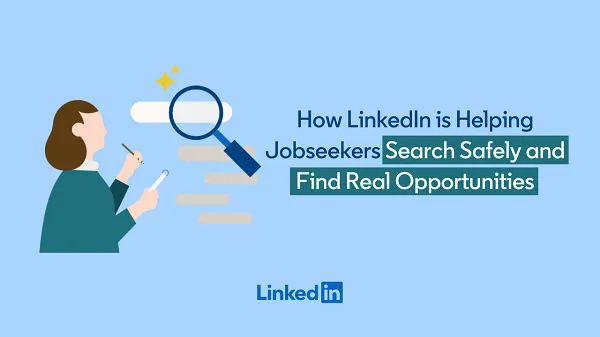
I believe job scams are a growing threat because over half of Americans are seeking new employment opportunities in 2026, creating a ripe environment for scammers.

At SocialSchmuck, we specialize in Social Media, Entertainment, and Technology News, helping job seekers navigate the complexities of online job hunting and avoid scams.
Our platform provides insights into the latest trends, tips, and tools to empower users in their job search while ensuring they remain safe from fraudulent offers.
This guide covers essential aspects of recognizing job scams, LinkedIn’s new security measures, and practical tips for job seekers to protect themselves.
- Understanding job scams and their prevalence
- LinkedIn’s enhanced security features
- Practical tips for identifying legitimate job offers
- Common red flags to watch for
- Resources for reporting scams
What Are the Common Signs of Job Scams?
Job scams often present several red flags that can alert job seekers. These include unsolicited job offers, requests for personal information upfront, and unrealistic salary promises.
In 2026, it was reported that over 30% of job scams involve low-quality CV-writing services. This alarming statistic highlights the need for vigilance.
- Unsolicited emails from unknown companies
- Offers that seem too good to be true
- Requests for payment or personal information
How Is LinkedIn Combatting Job Scams?
LinkedIn has implemented several measures to enhance user security and reduce the prevalence of job scams. These include improved scam detection tools and new verification processes for both users and companies.
Oscar Rodriguez, LinkedIn’s VP of Product, announced that the platform has increased trust signals and workplace verification requirements. This initiative aims to provide users with more assurance regarding job listings.
| Feature | Before 2026 | As of 2026 |
|---|---|---|
| Scam Detection Tools | Basic filters | Advanced AI-powered tools |
| Verification Process | No verification | Government ID verification |
| Job Listing Assurance | Low | High with verified companies |
What Are the New Verification Requirements on LinkedIn?
LinkedIn has introduced a free verification process that allows users to attach a government ID to their profiles. This verification checkmark enhances credibility and trust.
Businesses can now verify their legitimacy, adding an extra layer of security for job listings. This initiative aims to reduce fraudulent job postings significantly.
- Government ID verification for users
- Business verification for companies
- Increased trust signals for job listings
How Can Job Seekers Protect Themselves?
Job seekers should remain vigilant and look for potential signals of concern when applying for jobs. Here are some practical tips to help avoid scams:
- Be cautious with personal information: Never share sensitive details like bank account information before onboarding.
- Reject suspicious requests: Avoid downloading software or accepting offers that seem unrealistic.
- Look for verification badges: Scammers are five times more likely to be outside your network.
- Keep interactions on LinkedIn: Scammers often push conversations off-platform, which increases risk.
What Should You Do If You Encounter a Job Scam?
If you suspect a job offer is not legitimate, it is best to avoid engaging further. Do not provide any personal information and report the scam to LinkedIn.
Remember, legitimate companies rarely reach out randomly with job offers. Always trust your instincts and prioritize your safety when job searching.
 Troy Sanders
 Maya Kensington