 Cameron Steel

Snapchat is strategically targeting B2B marketing budgets through its latest promotional campaign, which encourages advertisers to think creatively to reach decision-makers using the app.
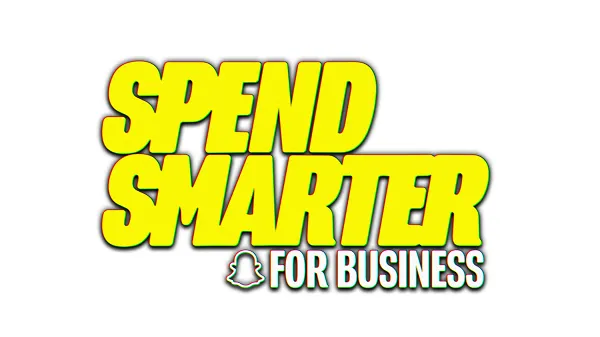
The campaign, branded with the tagline “Spend Smarter,” builds upon the central themes presented at its recent Performance Summit, focusing on equipping marketers to optimize their ad spending on Snapchat. It emphasizes the unique opportunities available within Snap’s interactive conversations and user engagement.

The campaign will feature prominent industry voices to showcase authentic customer success stories.
As highlighted by Little Black Book, Snapchat’s initiative addresses the gap between current media buying tactics and audience engagement. Snap asserts that there is a substantial opportunity to connect with and influence key decision-makers within the app, which could lead to fresh strategies for B2B advertising.
During its Performance Summit, Snapchat underscored the halo effect of its platform over other marketing channels, suggesting that Snapchat can wield significant influence even if it is not typically categorized as a primary sales medium.
Snapchat aims to establish itself as a valuable discovery platform, recognizing that while it may not always drive immediate sales, it often serves as the initial point of awareness for B2B brands regarding various products and services.
To amplify its ad revenue, Snapchat is intensifying its focus on B2B marketing, as evidenced by its recent FinServ Summit, which was tailored to present the app’s advertising solutions to financial services companies.
Traditionally, these sectors may not have appeared to be a natural fit for Snapchat, but the company is keen to demonstrate how its influence extends into unexpected areas.
The new promotional campaign will be prominently displayed across platforms like Instagram, TikTok, and Substack in both the U.S. and U.K.


 Sophie Langley