 Brandon Fletcher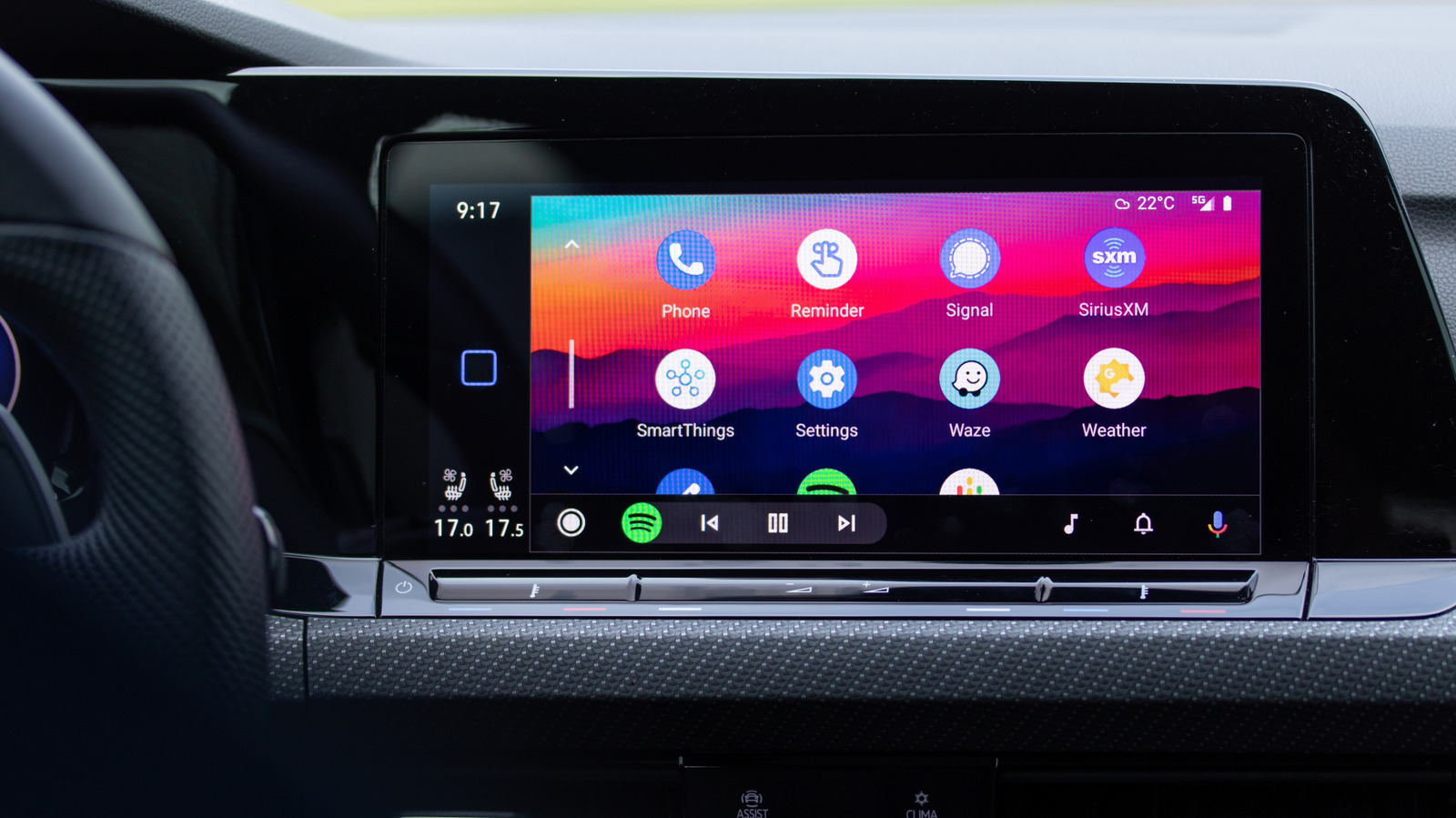

One version connects to your smartphone, while the other operates independently.
While Android Auto and Android Automotive may sound similar, their functions are quite distinct. Understanding these differences is essential for drivers.
Most users are already acquainted with Android Auto. This platform utilizes your Android smartphone to create a user-friendly interface on your car’s display. It facilitates navigation, music playback, messaging, and other compatible applications, all designed for safe usage while driving. Android Auto serves as Google’s alternative to Apple CarPlay and can connect via USB or wirelessly, depending on the compatibility of your devices.
On the other hand, Android Automotive OS (AAOS) is fundamentally different. It is embedded directly within the vehicle’s hardware, eliminating the need for a smartphone connection for operation. The integration becomes more intricate when considering Google built-in features, but that is a topic for another time.
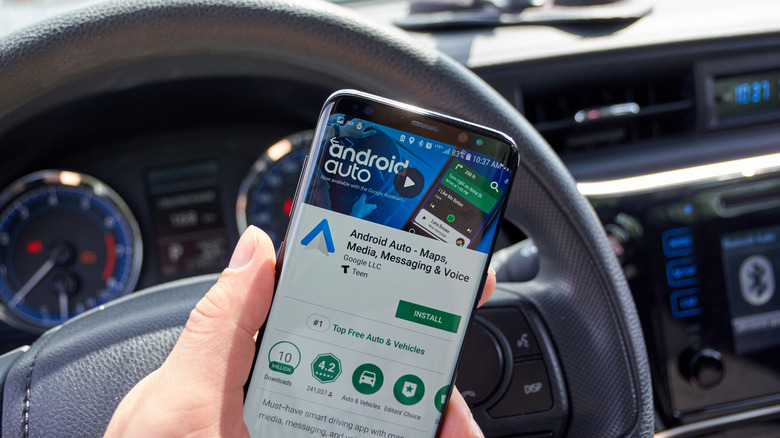
Understanding the Phone Dependency of Android Auto
dennizn/Shutterstock
Think of your smartphone as the central processing unit, while the car’s dashboard serves as a larger, less distracting interface for essential functions.
Android Auto does not replace your car’s existing software. Instead, it mirrors a tailored interface from your phone onto the vehicle’s display, allowing access to compatible applications like Google Maps, Spotify, and messaging services without the need to physically handle the smartphone.
This reliance on a smartphone is part of what makes Android Auto appealing. You can connect to any compatible vehicle and seamlessly transfer your apps, accounts, and preferences. The car may run on Android, a different operating system, or even a proprietary system.
This concept parallels that of Apple CarPlay, which also requires an iPhone to function. Even the advanced CarPlay Ultra, which integrates more deeply into compatible vehicles, necessitates an iPhone for operation.
Android Auto applications can access certain vehicle data if the car manufacturer permits it, such as battery status or estimated range, enhancing the driving experience.
Exploring Android Automotive’s Integration Within Vehicles
Torkgaur/Shutterstock
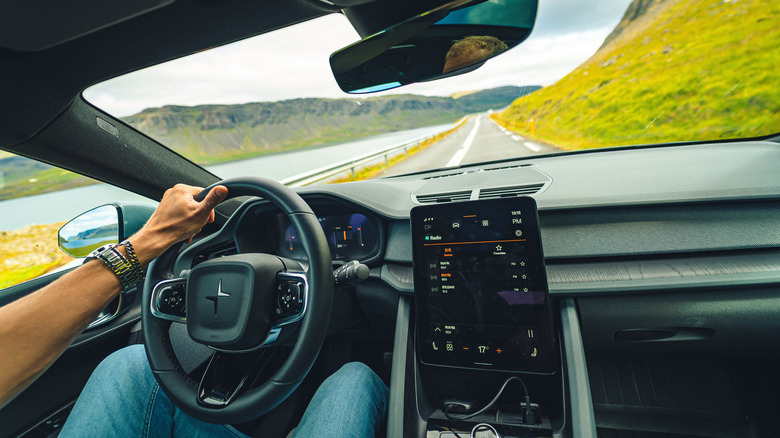
Android Automotive OS transcends mere connectivity; it is an embedded software platform installed directly in the vehicle, allowing automakers to integrate it with infotainment systems, instrument displays, climate control, electric vehicle information, and other critical vehicle functionalities.
Is Google built-in the same as Android Automotive?
AAOS is open source, while Google built-in operates on a separately licensed suite of Google Automotive Services. This setup allows vehicles to utilize native Google Maps, Google Play, and Google’s voice assistant without needing the driver’s smartphone. Google treats these services as an optional package rather than an inherent part of AAOS.
This distinction is crucial when examining vehicle specifications. For example, Rivian creates its unique software experience based on AAOS but does not support Android Auto or CarPlay projection.
Polestar exemplifies the flexibility of this technology. Its AAOS-based vehicles can include Google built-in while remaining compatible with both Android Auto and Apple CarPlay, offering consumers the best of both worlds. In 2020, the Polestar 2 became the first production vehicle to feature Android Automotive OS.


 Daniel Mercer