 Ethan Carter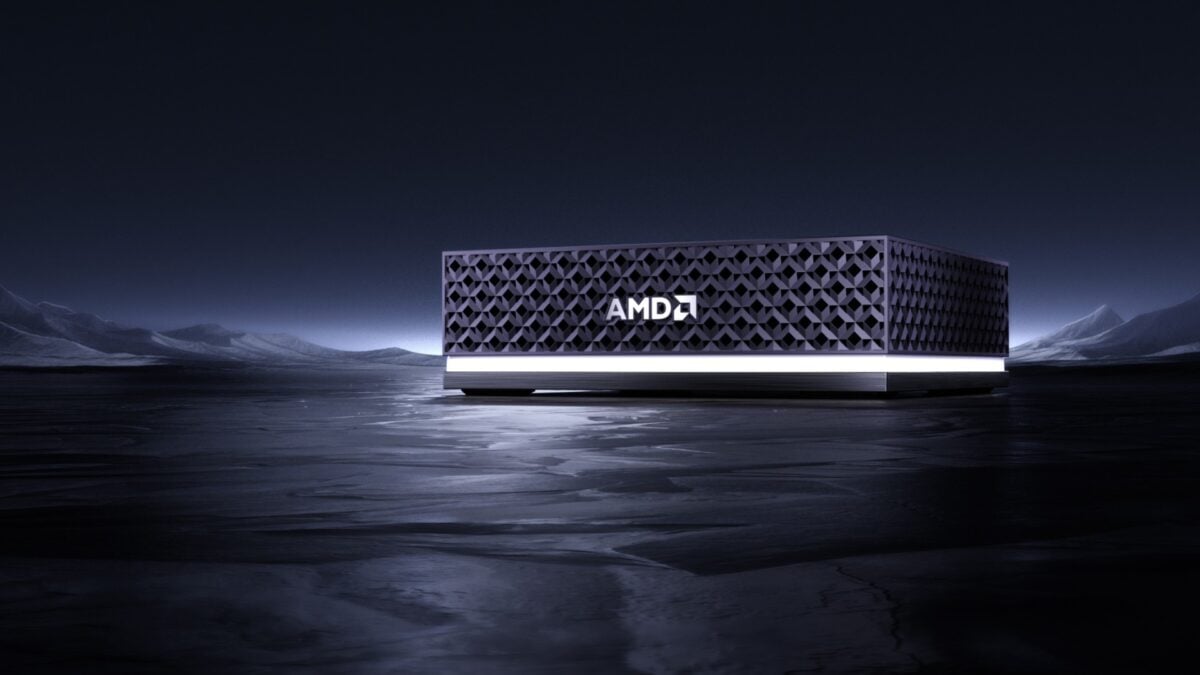

AMD is gearing up to challenge Nvidia’s anticipated laptop CPUs ahead of their release. To achieve this, AMD is unveiling its most robust processor yet, featuring the cutting-edge Ryzen AI Halo chips, which hopefully won’t face the same delays as the recent Ryzen AI 400 laptop CPUs.
The newly announced Ryzen AI Max+ Pro 495 chip appears impressive on paper. Its standout feature is the advanced Zen 5 CPU, boasting 16 cores and 32 threads with a remarkable boost clock speed of 5.2GHz. it retains the RDNA 3.5 GPU microarchitecture from the previous Ryzen AI Max+ 395. This Radeon 8065S graphics chip includes 40 compute units, a term AMD uses for its core clusters. it can support up to 160GB of VRAM (video random access memory), enhancing the GPU memory capacity significantly.
Without the latest RDNA 4 GPU microarchitecture, it’s challenging to label this as a major leap in performance compared to the Ryzen Max+ 300 series. AMD asserts that the Ryzen AI Max+ Pro 495 is its first x86 processor capable of independently running a 300 billion parameter AI model. Alongside this, AMD introduced two other variations of the same APU (accelerated processing unit, which integrates CPU and GPU functions). These include the Ryzen AI Max Pro 490 with 12 cores and 24 threads, and the Ryzen AI Max Pro 485 with eight cores and 16 threads. The lower-spec versions utilize a smaller GPU featuring only 32 compute units.
AMD’s previous generation of Strix Halo chips gained popularity not solely due to their AI capabilities but mainly because of their impressive graphics performance. This year, AMD has expanded the lineup with several modified Strix Halo processors tailored for gaming and creative applications. Unfortunately, the AI-induced RAM shortage has led to the cancellation of multiple gaming handhelds that were set to utilize these optimized processors.
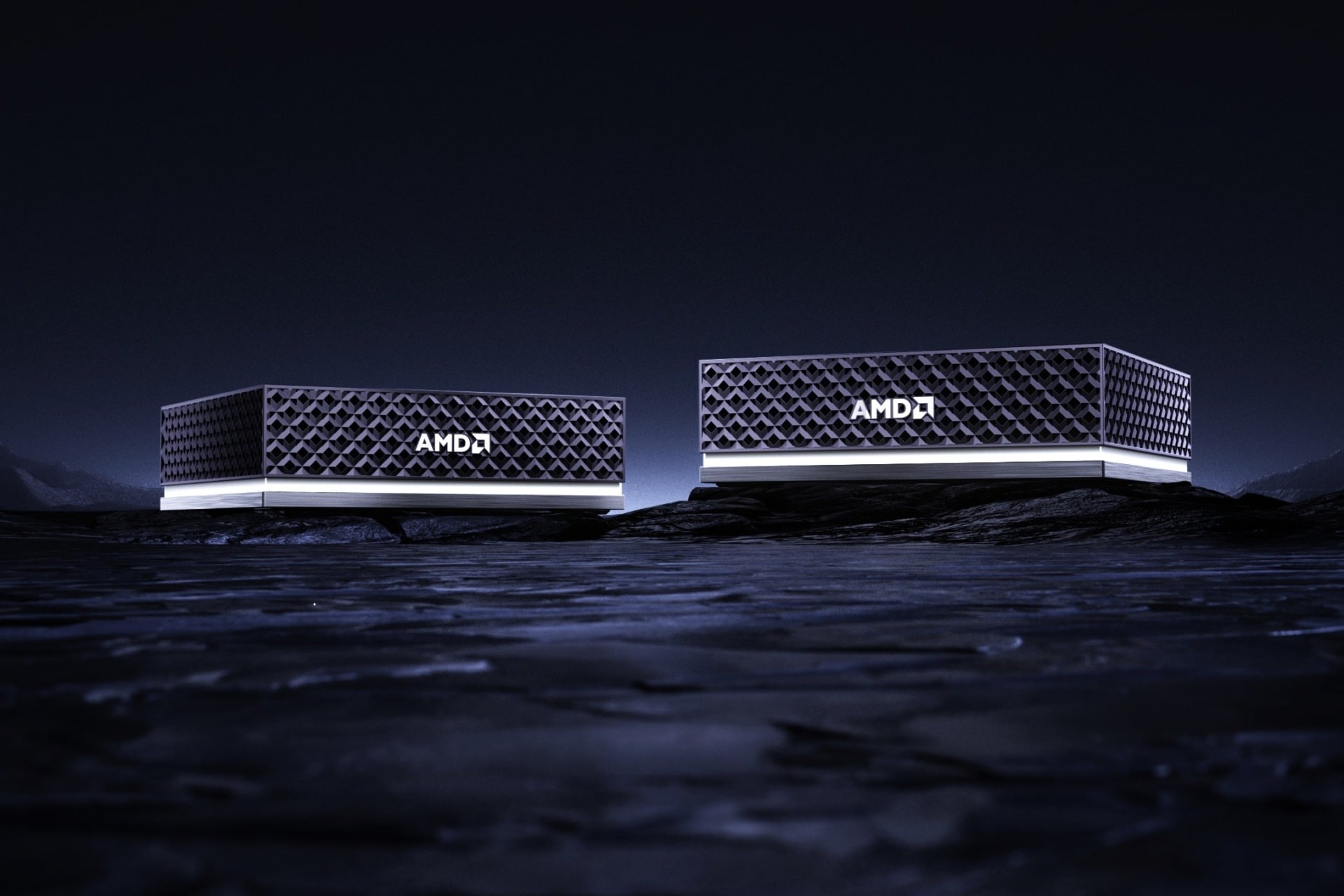
In response to these market changes, AMD has introduced a compact “AI developer platform” known as AMD Ryzen AI Halo. This small PC houses AMD’s Ryzen AI Max+ 395, the previous-generation Strix Halo chip, instead of the newly designed Gorgon Halo. It supports a 2TB SSD and offers 128GB of unified memory. We have observed this chip perform exceptionally well in mobile and compact devices like the Asus ProArt PX13 GoPro Edition and the Framework Desktop.
These announcements come amid a surge of AI-focused developments as AMD seeks to reclaim a portion of Nvidia’s influence among AI developers. Nvidia has already launched its $4,000 DGX Spark, a desktop AI-centric computer powered by an ARM chip and the company’s Blackwell GPU architecture. In contrast, AMD’s Ryzen AI Halo is priced at $4,000 for a compact unit measuring only 6 by 6 inches.
The DGX Spark operates on a version of Linux, while AMD’s Ryzen AI Halo can run both Linux and Windows, providing a more familiar PC-like interface. Operating on an x86 chip with Windows means the AI Halo can function effectively as any standard mini PC for everyday tasks, not limited to running OpenClaw. Apple’s latest Mac mini has gained popularity for its on-device AI capabilities, yet AMD claims its AI Max+ chip offers four times the generative AI workloads compared to an M4 Pro.
According to AMD, the Ryzen AI Halo featuring the previous-gen 395 chip will be available for preorder in June. The company also hinted that a version with the Ryzen AI Max+ Pro 495 is “coming soon.” For the new 495+ chip, AMD is set to introduce devices from Asus, HP, and Lenovo in Q3 of this year. Nvidia’s forthcoming laptop CPUs, expected to debut at Computex in June, will now face competition from AMD’s latest offerings as well as Intel’s Panther Lake chips for supremacy in the laptop market.


 Daniel Mercer
 Brandon Fletcher