Daniel Mercer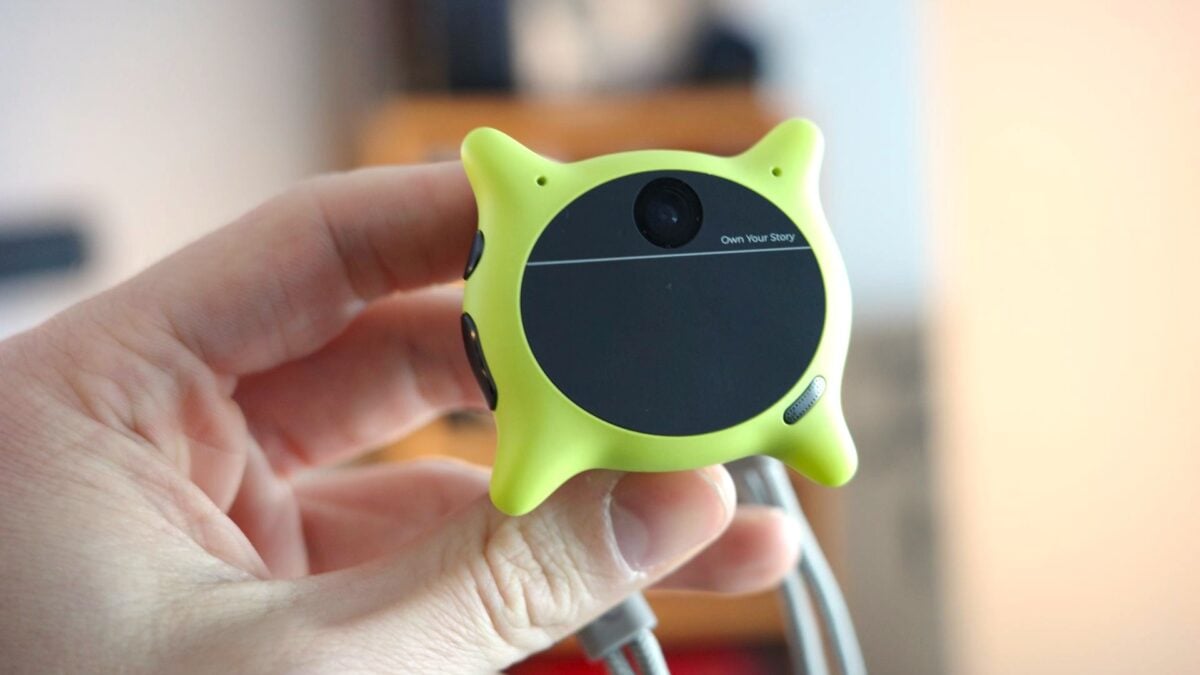
Wearables are a category of technology because they encompass devices that can be worn on the body, which matters for users seeking convenience and functionality in their daily lives.

At SocialSchmuck, we specialize in social media, entertainment, and technology news, helping tech enthusiasts stay informed about the latest innovations and trends.
Our platform monetizes through targeted advertising and partnerships with tech brands, providing users with valuable insights while generating revenue. This guide covers the latest advancements in wearable technology, focusing on AI integration, device capabilities, and market trends.
- Overview of Qualcomm’s Snapdragon Wear Elite chip
- Future of AI wearables and potential use cases
- Comparison of existing AI wearable devices
- Challenges faced by AI wearables in the market
- Predictions for the wearable tech landscape in 2026
What is the Snapdragon Wear Elite chip?
The Snapdragon Wear Elite chip is Qualcomm’s latest innovation designed for wearables. It is built on a 3nm process node and integrates Qualcomm’s Hexagon NPU for enhanced AI capabilities. This chip aims to expand beyond traditional smartwatches to various AI-centric devices.
Qualcomm claims the new chip offers a fivefold increase in single-thread CPU performance compared to its predecessor, the W5 Gen 2. Additionally, it supports a maximum frame rate improvement in the GPU, enhancing user experience in app performance and responsiveness.
- 5x increase in CPU single-thread performance
- Enhanced GPU frame rates
- Integrated Hexagon NPU for AI tasks
- Supports 1080p video capture at 60 fps
- Ability to handle a 2 billion parameter AI model
How does Qualcomm’s chip enable AI capabilities?
The Snapdragon Wear Elite chip can manage a 2 billion parameter AI model, significantly surpassing Google’s Gemma AI model with only 270 million parameters. This capability opens doors for more complex AI interactions directly on devices.
Qualcomm has also improved image stabilization for cameras, enabling devices to capture high-quality images and video. However, many AI applications may still require cloud processing, necessitating a reliable internet connection.
What is the future of AI wearables?
Qualcomm’s John Kehrli has indicated that the company is collaborating with various firms to explore diverse AI wearable designs. These include not only AI glasses but also gaming headsets like Razer’s Project Motoko, which aims to enhance gaming experiences through AI commentary.
Other innovative devices, such as the Looki L1, are designed to provide personal AI assistance and life documentation through built-in cameras. This device currently operates on Qualcomm’s previous W5 Gen 2 chip.
- Collaboration with multiple companies for AI wearables
- Exploration of diverse form factors
- Devices like Looki L1 for personal AI experiences
- Gaming enhancements through AI technology
- Potential for new use cases in wearable tech
Can Qualcomm’s chip address the challenges faced by AI wearables?
Many AI wearables have struggled in the market. For instance, Humane raised $240 million for an AI pin that ultimately failed due to connectivity issues and overheating problems. The company has since dissolved, selling assets to HP.
Other attempts, such as the Plaud AI Pin, have been limited to basic recording functions reliant on cloud-based AI. Similarly, the Friend startup pivoted away from hardware after a failed marketing campaign.
| Device | Investment | Key Features | Status |
|---|---|---|---|
| Humane AI Pin | $240 million | AI-centric, requires constant internet | Dissolved |
| Plaud AI Pin | N/A | Basic recording device, cloud-dependent | Active |
| Friend | Million-dollar campaign | AI companion, pivoted to chatbot | Pivoted |
What does the future hold for AI wearables?
Qualcomm envisions a future where AI wearables come in various forms tailored to specific user needs. Kehrli notes that the next innovations may not align with current expectations. Companies like OpenAI and Apple are also exploring AI devices, with Apple reportedly developing an AI pendant similar to the Humane AI Pin.
As of 2026, the wearable tech landscape is evolving rapidly. However, without clear use cases, consumer adoption may remain a challenge. Users may be hesitant to embrace devices that lack defined functionalities.