 Ethan Carter
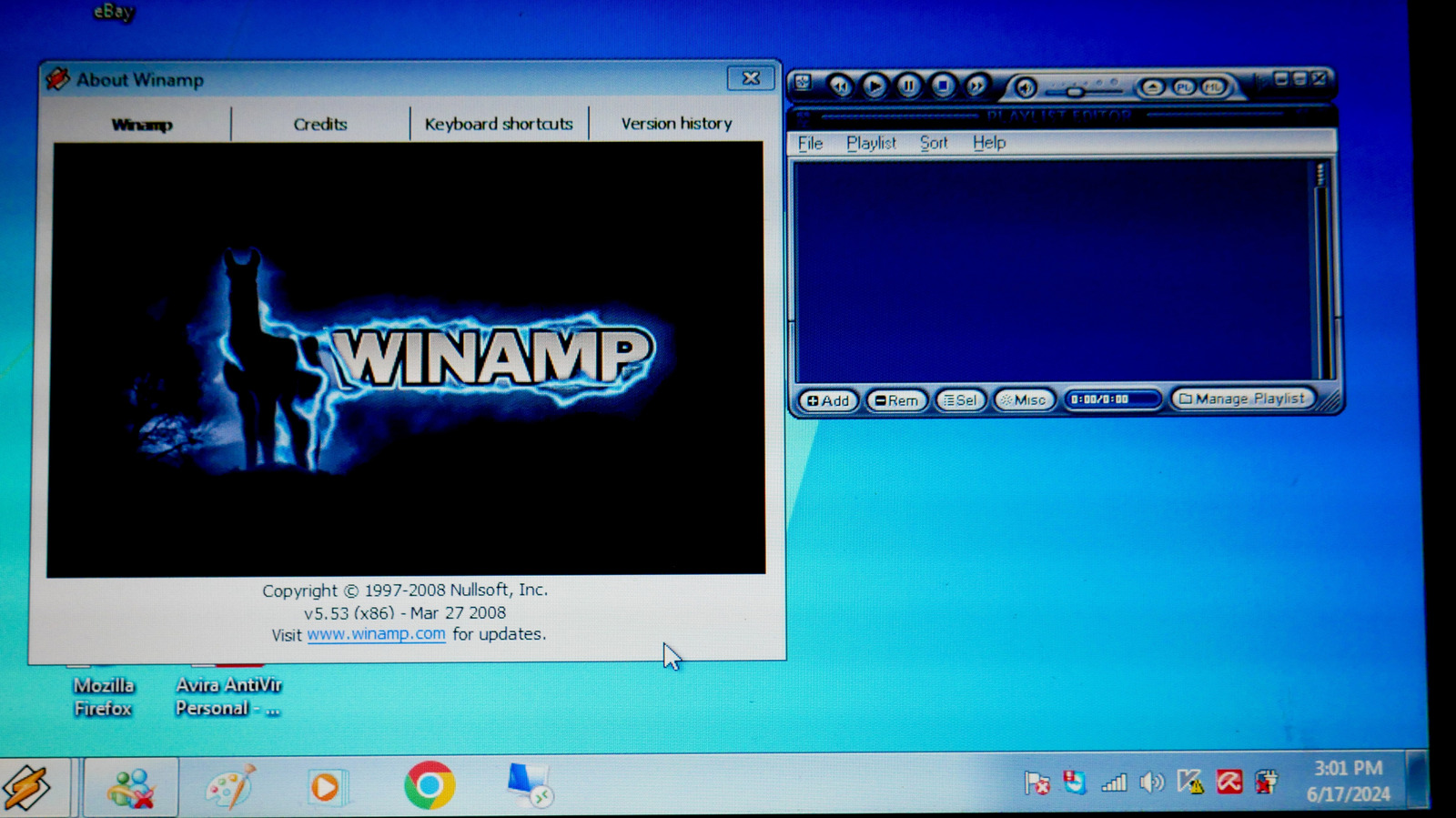

The beloved MP3 player makes a triumphant return with a new monthly subscription model.
Winamp, the highly customizable MP3 player that dominated Windows desktops before the streaming revolution, is set to make a comeback in 2024. this revival will be different from what users remember. Partnering with Deezer, Winamp is launching a brand-new player that includes a premium subscription service, with Deezer supplying the underlying streaming technology and music catalog.
The official announcement reveals that the new Winamp player will not only support subscriptions but will also integrate local files, internet radio, podcasts, and cloud-stored music libraries. Importantly, this new player will coexist with the classic desktop application rather than replace it. Winamp reports that over 40 million users still actively engage with the original version, and the same Deezer-powered subscription will be introduced shortly after the launch.
What Makes This Partnership Beneficial for Both Winamp and Deezer?
Deezer recently disclosed a drop in new subscriptions from partnership agreements, reporting a reduction to 3.1 million in the first half of 2026, a decline of approximately 800,000 compared to the previous year. revenue from this segment fell by 7.6 percent to 70.7 million euros, largely due to the conclusion of a bundling deal with Mercado Libre, a major retail player in LATAM. In light of these trends, Deezer emphasized its strategic goal to revitalize this aspect of its business by pursuing white-label agreements, including recent deals with Telenor and French energy provider EDF.
The Winamp agreement was signed on July 1, just weeks before the public announcement, and was highlighted to investors as part of Deezer’s revamped Deezer for Business initiative. Under this white-label partnership, Deezer will manage the streaming infrastructure and provide the music catalog, while Winamp will maintain complete ownership of its core product, brand identity, and subscriber relationships. This arrangement benefits both parties; Winamp lacks the necessary music licenses and streaming infrastructure, while Deezer gains access to one of the most recognized brands to enhance its white-label offerings.
Will Winamp’s Promises Be Fulfilled This Time?
In October 2018, Alexandre Saboundjian, who was then CEO of Winamp’s parent company Radioomy and is now CEO of Winamp Group, promised a completely revamped version of Winamp would launch the following year. He envisioned “a more complete listening experience” that would encompass local files, cloud libraries, podcasts, and streaming radio stations. that anticipated revival in 2019 never materialized. The initial plan relied on integrating third-party streaming services into one application, a strategy that required deals that Winamp never finalized. The new partnership with Deezer in 2027 cleverly avoids this issue by bundling Winamp’s service with Deezer’s licensing and streaming capabilities from the outset.
In 2022, a refreshed version of the classic MP3 software was finally released, followed by a period of brand evolution. In September 2024, Winamp made its classic player’s source code available on GitHub under a custom license, although this license initially prohibited the distribution of forks. Shortly thereafter, the repository was deleted due to criticism over the licensing terms and the discovery of proprietary code from Dolby and Microsoft.
As of now, Winamp has not revealed details about subscription pricing or supported platforms, even though it has promised a “fundamentally different” subscription model compared to existing services. The press release highlights a customizable interface, social features, and innovative tools for music discovery and organization, with further product previews expected in the months ahead.
For the first time in nearly 30 years, Winamp will introduce a premium subscription model. If the partnership with Deezer succeeds, it could mark a significant turnaround for a service that was nearly discontinued by AOL in 2013 before being sold to Radionomy.


 Daniel Mercer