Daniel Mercer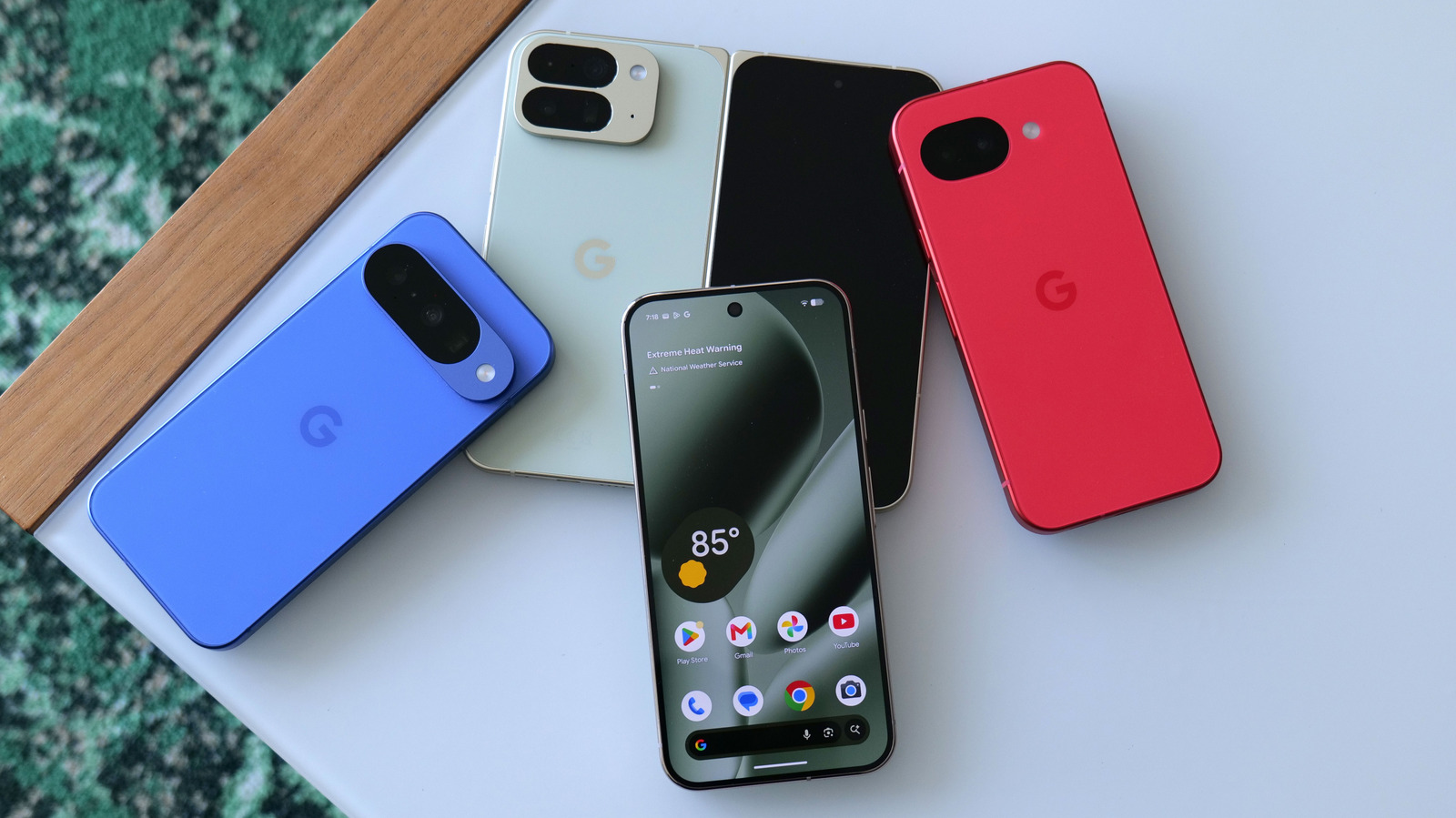

Google stands as one of the top smartphone manufacturers globally, so it is not unexpected that Pixel smartphones are marketed in numerous regions beyond the United States. Like other reputable device manufacturers, Google customizes its products to meet local regulations and customer preferences. Variations in languages, power outlets, and network standards are just a few examples of these adjustments. For those interested in the differences between US Pixel models and their international counterparts, here’s a detailed overview of some significant modifications and enhancements.
Key Hardware Differences Between US and International Pixel Models
Compared to Samsung devices, which may feature different chipsets like Snapdragon or Exynos depending on the region, the variations between US and international Pixel models are relatively minimal. Over recent generations, most international Pixel smartphones have utilized the same Tensor chipsets, memory configurations, and storage options as their US counterparts. They also boast identical camera technology, display features, and charging capabilities. For instance, the base Pixel 10 is equipped with a Tensor G5 processor, 12GB RAM, and storage options of 128GB or 256GB. It features a 6.3-inch Actua OLED display and a rear camera setup that includes a 48MP main sensor, a 12MP ultra-wide sensor, and a 10.8MP telephoto lens. The physical design of Pixel devices across different regions remains largely consistent, including materials and color choices.
One notable hardware distinction in Google’s latest phone lineup is that while the Pixel 10, Pixel 10 Pro, and Pixel 10 Pro XL are exclusively eSIM-compatible in the US, international versions still incorporate a physical Nano SIM slot alongside eSIM functionality. Google implemented this change to enhance user convenience and due to the broad support for eSIM technology among American carriers. This also allows Google to repurpose the space typically occupied by a physical SIM card for components necessary to support mmWave 5G technology. It’s important to note that all variants of the Pixel 10 Pro Fold, both in the US and internationally, come with physical Nano SIM trays.
Software Features: Are There Differences Between US and Global Pixels?
In terms of software, there are not many differences between US Pixels and their international variants. since Google’s phones are available in over 30 countries and support more than a dozen languages, localization of features can take additional time. New tools and applications often debut first in English in North America while Google ensures compliance with regulations and usability in various languages and regions. A prime example is the Magic Cue feature, which leverages AI to extract relevant information such as addresses and calendar events from messages based on context. At present, this feature is accessible in several countries, including the US, Canada, India, the UK, and Japan, as Google works on rolling out the capability to more markets.
Understanding Cellular Compatibility: What Should You Know?
One of the most significant distinctions between US Pixel models and international versions lies in cellular compatibility. This is important to consider, especially for individuals who frequently travel or relocate. A phone that lacks reliable internet connectivity and voice calling capabilities can be severely limited in utility.
The type of cellular coverage varies greatly by region. In the US, carriers such as Verizon have made substantial investments in mmWave 5G technology, which provides high-speed upload and download capabilities. this comes at the cost of range and penetration compared to mid-band and sub-6GHz frequencies. As a result, many phones sold internationally, including recent Pixel models, do not support mmWave 5G to keep costs manageable and ensure optimal performance. The US also imposes stricter testing and approval requirements for phones sold through carriers compared to many other countries, which contributes to why numerous Chinese phones are not officially available in the American market.
Overall, there is a significant degree of similarity between Pixel smartphones sold in the US and those available internationally. If you are considering relocating and are uncertain about where to purchase your next phone, it is often more straightforward to buy in the country or region where you will reside. Other than that, particularly regarding hardware, there are not many differences between US Pixel models and their international counterparts.