 Brandon Fletcher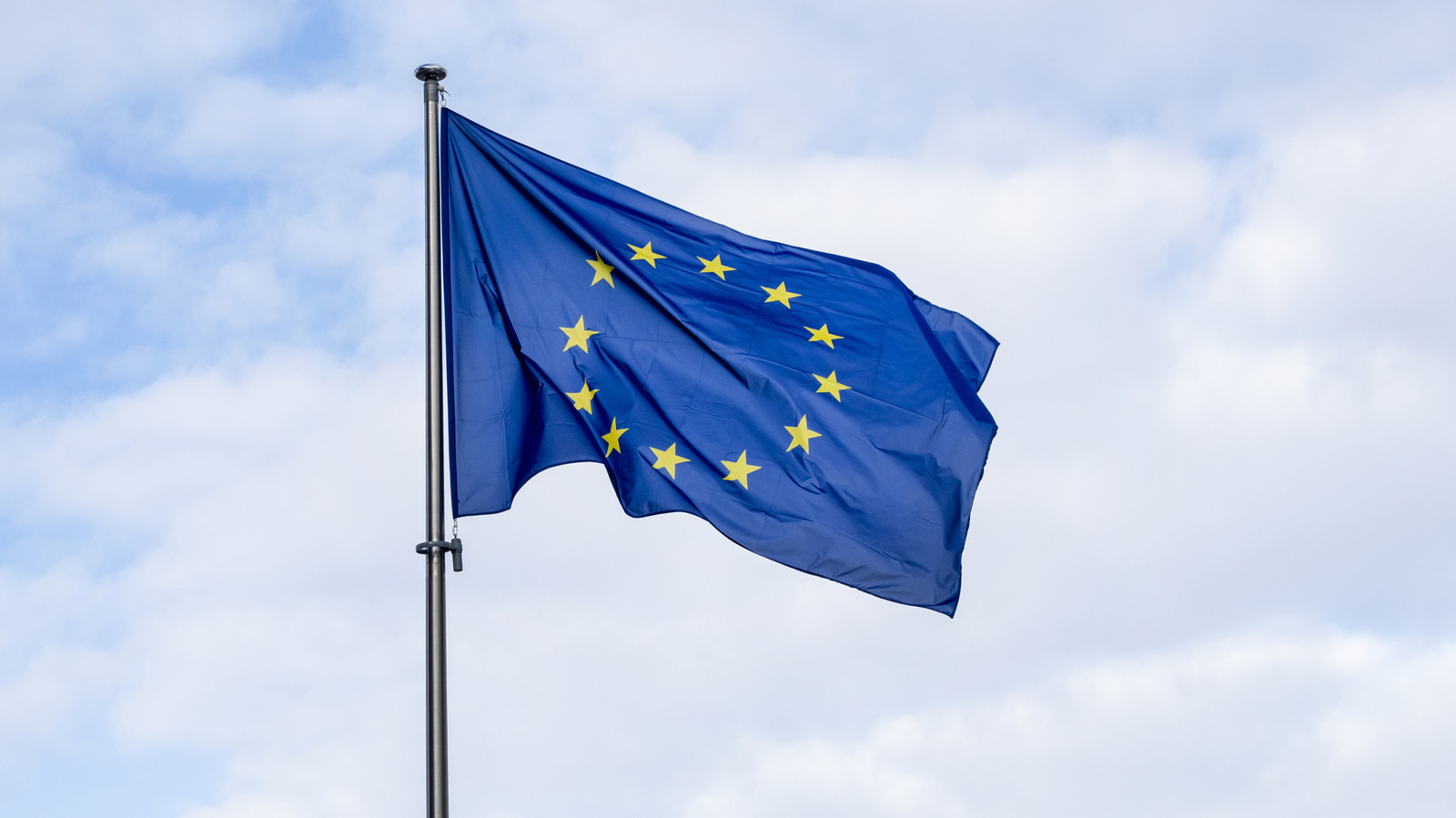

The European Commission has introduced a comprehensive European Technological Sovereignty Package aimed at decreasing reliance on foreign technology. This initiative emphasizes enhancing Europe’s capabilities in critical areas such as semiconductors, artificial intelligence (AI), cloud computing, and open-source development.
The package features two key legislative proposals. The first is the Chips Act 2.0, an updated version of legislation first proposed in 2023, which addressed what the Commission identified as “critical vulnerabilities in the global semiconductor supply chain.”
With the surge in AI advancements propelling market growth, the Chips Act 2.0 will launch a new excellence label for semiconductor regions across Europe. This act adopts an ecosystem approach that caters to both AI-specific and mainstream semiconductor needs. The European Union is focused on connecting chip manufacturers more closely with their customers to tap into burgeoning sectors such as data centers and cloud services.
Another critical aspect of the proposals is the Cloud and AI Development Act. This legislation aims to triple the data center capacity within Europe over the next five to seven years. It serves as a vital component of the EU’s AI Strategy, which promotes the adoption and innovation of AI technologies among its member states.
The Commission asserts that this Act will “support research and innovation in cutting-edge and sustainable technologies while balancing AI ambitions with climate commitments.” The deployment processes for data centers across the EU will be simplified. a new EU-wide framework focused on cloud and AI sovereignty will provide protection for sensitive data while facilitating the advancement of AI and cloud technologies.
The new initiatives place significant emphasis on open-source projects within growing sectors such as AI and cybersecurity. The EU plans to back open-source startups and enhance skill development, as well as promote initiatives like the Open Internet Stack.
The final component of this package is the Strategic Roadmap for Digitalisation and AI in the Energy Sector. This roadmap highlights the Commission’s dedication to fostering collaboration between the energy and digital sectors. It ensures that any new data centers integrated into the energy grid are developed sustainably and transparently. AI models “trained on European data and developed by European companies” will play a crucial role in enhancing Europe’s electricity infrastructure, and the Commission will advocate for a faster implementation of smart meters.
“We cannot afford to depend on others for the technologies that keep our hospitals running, our energy grids stable, and our services secure,” remarked Commission President Ursula von der Leyen. “This is about protecting our citizens, defending our interests, and making our own choices. Europe possesses the talent, research excellence, industrial foundations, and the Single Market. Together, we must leverage these strengths to achieve technological sovereignty.”
These new proposals will be subject to discussion by the European Parliament and the Council of the European Union. The Commission also plans to engage with member states, the European Investment Bank Group, and other stakeholders regarding the funding of its tech sovereignty package.
Throughout 2026, several EU member states, particularly France, have begun to pivot away from an overdependence on nations like the United States and China for technology resources. In January, the French government announced its decision to replace Zoom and Microsoft Teams with a domestically developed solution, which will be implemented across all civil service departments by next year. A few months later, France revealed plans to transition from Windows to the open-source Linux operating system on its workstations.
Recently, reports indicated that the European Parliament is also moving towards reducing reliance on Google for its internal computing needs. According to Politico, searches conducted via the address bar on Firefox and Edge will soon be powered by the French alternative, Quant. Employees will still have the option to use other search engine websites or change their default settings if they choose to do so.


 Daniel Mercer