 Brandon Fletcher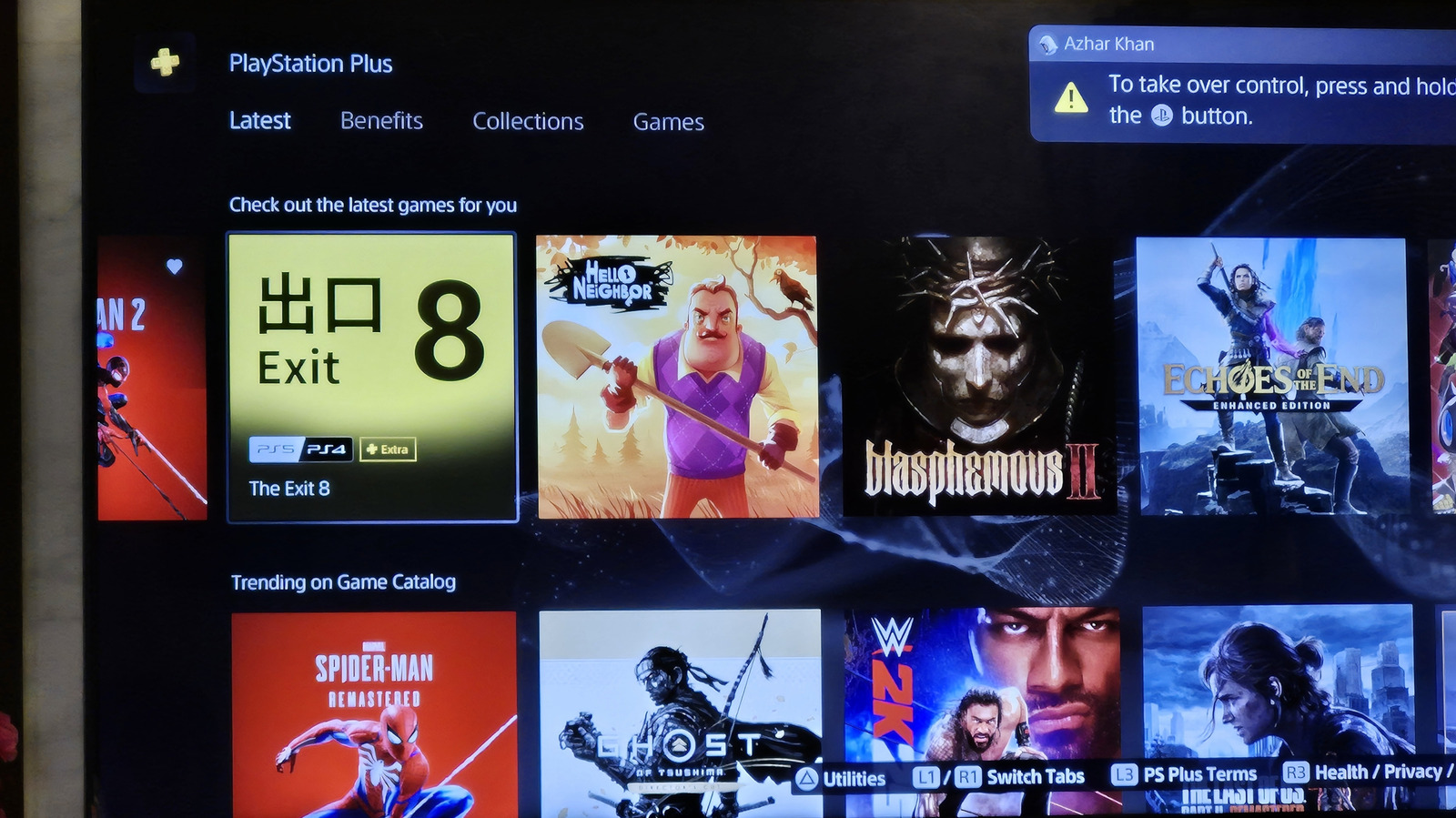

If you purchased a digital game from the PlayStation Store between April 2019 and December 2023, you might soon see some store credit deposited into your account. A federal judge in San Francisco has granted preliminary approval for a proposed $7.85 million settlement stemming from a class action lawsuit that accuses Sony of stifling competition and monopolizing the digital game market through its PlayStation Store. This case reflects growing concerns over antitrust practices in the gaming industry.
The legal action was initiated in May 2021 and asserts that Sony’s alleged anticompetitive behavior forced gamers to “pay more than they otherwise would have paid for specific digital games.” This lawsuit highlights a significant change in 2019 when Sony discontinued “game-specific vouchers” that third-party retailers had been selling. The plaintiffs argue that this move limited price competition, leading to inflated prices for customers who had fewer choices compared to alternatives available through retailers like Best Buy, GameStop, and others.
The law firm representing the affected gamers has compiled a comprehensive list of eligible titles, which includes popular games such as The Last of Us, NBA 2K18, and Need for Speed Rivals. According to their findings, over 4.4 million PlayStation Network accounts qualify for this settlement. If you are among those who qualify, you can expect to see a credit applied to your PSN account once the final approvals are granted. The court is scheduled to hold a Fairness Hearing on October 15, where the final judgment and allocation plan for the settlement funds will be discussed.
It is important to note that this lawsuit is distinct from a similar legal action currently underway in the UK. This other class action lawsuit also alleges that Sony has “unfairly charged its UK customers excessive prices” for digital games and in-game content available through the PlayStation Store. Unlike the recent settlement in the US, the UK case could result in Sony facing up to $2.7 billion in penalties due to alleged antitrust violations.


 Daniel Mercer