 Brandon Fletcher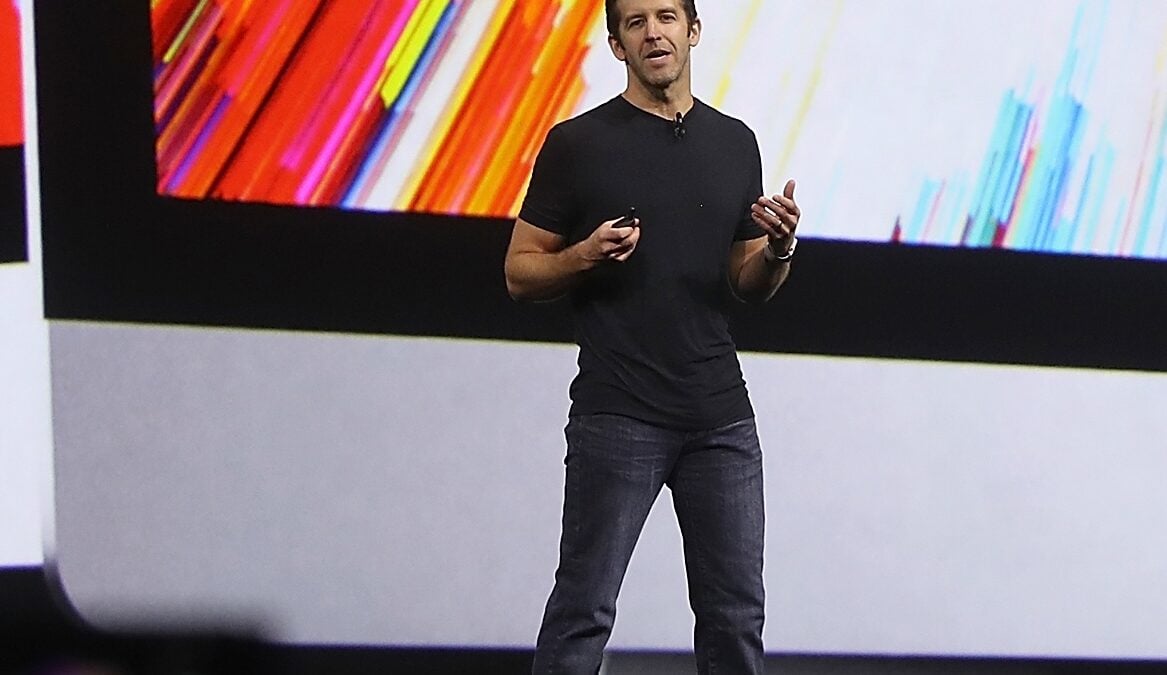

Can you name three influential CEOs at Apple?
Most likely, you will mention iconic figures such as Steve Jobs and Tim Cook, and possibly throw in John Scully. However, it is worth noting that Apple has had a significantly higher number of less memorable CEOs than many people might think, and the voices of those who support Michael Spindler will surely echo in the comments.
As the newly appointed CEO of Apple, John Ternus is set to take over from Tim Cook in September. He holds the potential to emerge as a celebrity CEO in the same vein as Jobs and Cook, or he might follow in the footsteps of Gilbert F. Amelio. Here are the essential insights to consider as you speculate about what kind of leader Ternus will be:
Understanding John Ternus: A Beloved Figure Within Apple
In a profile for the New York Times, Steve Siefert, who was Ternus’ first supervisor at Apple, remarked that when Ternus had the chance to transition from an open workspace, where he was surrounded by his team, to a private office, he chose to remain in the collaborative environment. Siefert characterized him as “a man of the people,” highlighting his approachable nature.
Another former Apple colleague, Cameron Rogers, echoed this sentiment in the same profile, stating that Ternus is “someone you want to hang out with,” and adding that “everyone loves him because he’s great.”
Given this, could Ternus’ amiable demeanor signal a significant cultural shift at Apple? Historically, Steve Jobs was known for his harsh temper when things didn’t go his way, while Tim Cook has built a reputation more grounded in his financial acumen than in personal interactions.
Nonetheless, Apple has upheld a relatively positive workplace culture, even amidst criticism in the tech industry. With a commendable Glassdoor rating and a track record of avoiding major layoffs, the internal atmosphere suggests that a friendly CEO may not be a drastic departure from the status quo.
Apple’s New Leadership: An Engineer Takes the Helm
Ternus possesses an in-depth understanding of the technology that drives Apple’s success, particularly in his knowledge of the chips that power various products:
According to Apple, Ternus earned his degree in mechanical engineering from the University of Pennsylvania. After starting his career as an engineer at a virtual reality company, he transitioned to Apple, where he began his journey focusing on external monitors. Not only did he oversee the development of the original iPad and AirPods, but he has also played a pivotal role in the evolution of the latest generations of the Mac, Apple Watch, and iPhone.
As noted by Bloomberg, an anonymous Apple veteran who worked under both Jobs and Cook remarked that while Cook often stays away from the intricate details of product development, Ternus is “a real engineer.” This portrayal suggests that Ternus is an exacting technical expert with a profound comprehension of Apple’s device architectures, which previously helped reverse a decline in product quality. Notably, he also exhibits creative flair, having supervised the development of a still-unreleased tabletop robot device.
This engineering-focused approach stands in stark contrast to Cook, who is predominantly recognized for his mastery of silicon supply chain logistics rather than the technology itself.
Yet, according to Bloomberg’s profile, Ternus shares a notable trait with Cook: a cautious approach to risk. Some of Apple’s hesitance regarding advancements in AI and smart home devices has been attributed to Ternus. Nevertheless, an anonymous insider mentioned that Ternus is aware of the criticisms surrounding the company’s need for more innovative products and a stronger emphasis on AI integration.
What Awaits Apple’s Future Under John Ternus?
Although this observation may seem glaringly obvious, it needs to be addressed considering the multitude of uncertainties currently surrounding Apple. The company has drawn criticism for its hesitance in the AI sector. However, depending on how the coming years unfold, should Ternus be recognized as the CEO who wisely refrained from fully committing to AI initiatives before the bubble bursts, he might ultimately be hailed as a visionary rather than criticized for inaction.
Ternus assumes leadership during a time of increasing ambiguity regarding the U.S.-China relationship. Tim Cook’s era at Apple was largely influenced by the dynamics of U.S.-China trade relations. Initially, Apple was a U.S.-based company with manufacturing in China, yet Cook expanded its dependence on China as a crucial consumer market. On one hand, Apple has made strides by shifting some production to Vietnam and India, indicating a diversification strategy, but it still heavily relies on Chinese factories. However, recent trends show that the iPhone is experiencing a decline in market share within China.
Additionally, political circumstances are continually evolving. In 2026, Cook frequently appears in the Oval Office, associating with the deeply unpopular far-right president—whether out of corporate necessity, shared political views with President Trump, or a combination of factors remains unclear. Twelve years ago, however, the political landscape for Big Tech was markedly different, with Cook perceived as a progressive corporate figure who claimed that witnessing a hate crime profoundly impacted him.
Ternus also has a compelling backstory that resonates deeply. According to the New York Times, his senior project at Penn involved creating a device that enabled quadriplegics to maneuver a mechanical feeding arm using head movements. In today’s climate, faith in the benevolence of tech companies is dwindling, but should a positive cultural shift occur, Ternus seems to be someone who could potentially facilitate that change.


 Daniel Mercer