 Troy Sanders

Rep. Sara Jacobs
High School Dynamics Resurface in Congress!
Published
TMZ.com
Sara Jacobs, a Democratic congresswoman from California, recently highlighted the surprising social dynamics within Congress that resemble high school cliques. She described how these unofficial rules govern interactions among members of Congress, likening her experiences to those depicted in “Mean Girls.” This phenomenon illustrates the informal yet rigid social structures present even in political arenas.
- Jacobs revealed that newcomers often face strict seating arrangements similar to cafeteria rules.
- The House floor lacks assigned seating but is dominated by established groups like “Penn Corner.”
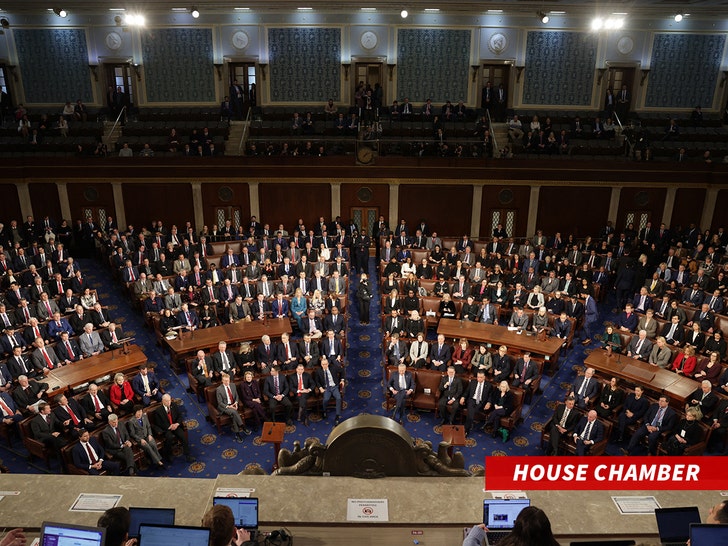
During an interview with TMZ in Washington D.C., Rep. Jacobs shared insights about the informal hierarchies and group dynamics at play on Capitol Hill. She noted that members often have their designated areas akin to popular lunch spots at high schools. The lack of formal seating arrangements does not equate to freedom; rather, it enforces a system where certain groups dominate specific spaces.
- The Congressional subway train serves as another example of these unwritten rules.
- Jacobs recounted having to instruct a new member on proper seating etiquette just hours after they arrived.
This strict adherence to social norms can lead to awkward situations for newcomers who may inadvertently disrupt established order. Jacobs emphasized that understanding these nuances is crucial for navigating life in Congress effectively.
- The atmosphere mimics high school orientation processes for new members.
- Congressional office assignments are done lottery-style, reminiscent of dorm room allocations.
Sara further elaborated on how various clubs and affiliations exist within Congress, reinforcing the idea that political life mirrors educational experiences closely. For those who thrived during their high school years, this environment may feel familiar and comfortable—almost like a sequel unfolding on Capitol Hill!
- This dynamic could provide both challenges and opportunities for collaboration among representatives.
- A deeper understanding of these relationships might enhance legislative effectiveness moving forward. li>

 Ivy Caldwell
 Clara Hastings