Brandon Fletcher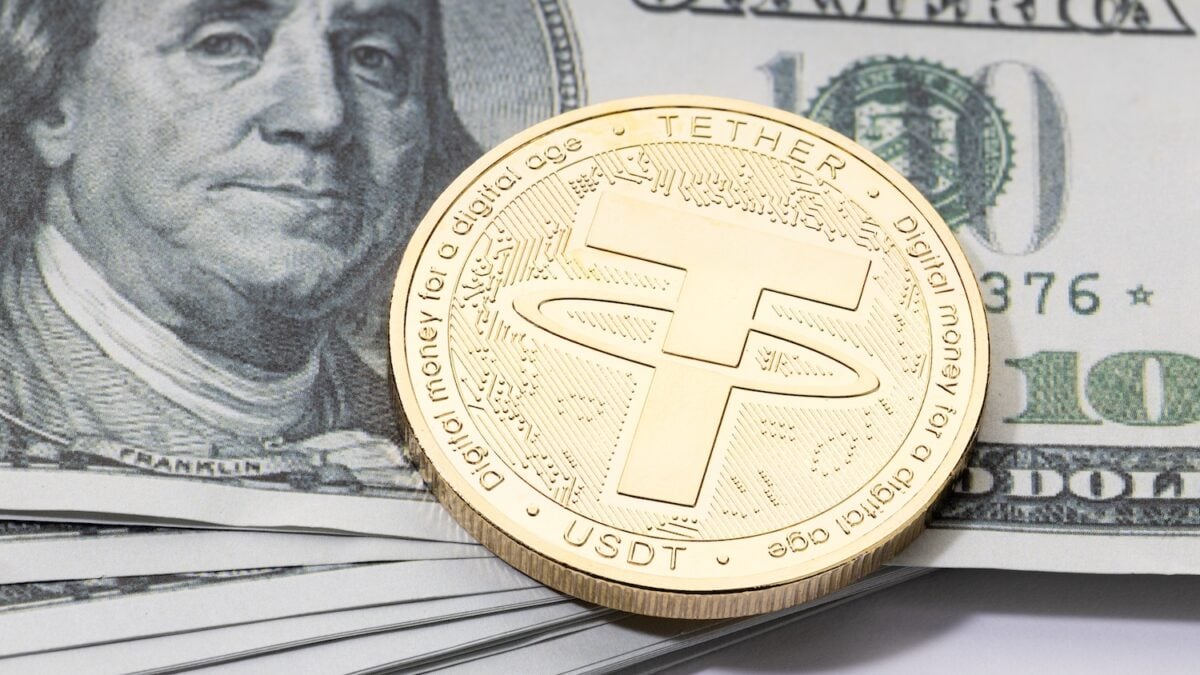
I believe stablecoins are a pivotal innovation in the cryptocurrency landscape because they provide a bridge between traditional finance and digital assets.
At SocialSchmuck, we specialize in Social media, Entertainment, and Technology news, helping enthusiasts and investors achieve informed decisions in the rapidly evolving crypto market.

Our platform monetizes through affiliate partnerships, sponsored content, and premium subscription models, providing readers with valuable insights and news updates.
This guide covers the following key attributes of stablecoins:
- Regulatory developments and their impact
- Adoption metrics and real-world usage
- Regional trends in stablecoin transactions
- Comparison of stablecoins and their implications
What regulatory changes have impacted stablecoins in 2025?
The GENIUS Act introduced in 2025 provided essential regulatory clarity for dollar-pegged crypto tokens. Major tech companies like Stripe and Sony launched products related to stablecoins, enhancing their legitimacy and adoption. President Trump reportedly profited from stablecoins, although his involvement has been marred by corruption allegations surrounding the USD1 stablecoin.
As of 2025, Wall Street veteran Tom Lee characterized stablecoins as crypto’s “ChatGPT moment,” reflecting a surge in interest and investment. However, the adoption metrics presented by the crypto industry have come under scrutiny.
How accurate are the adoption metrics for stablecoins?
A report from McKinsey Financial Services indicates that the metrics used to showcase stablecoin adoption are misleading. While blockchain transfers are often cited as proof, only about 1% of approximately $35 trillion in total transaction volume relates to real-world payments. This suggests that the estimated stablecoin adoption of $390 billion in 2025 accounts for only 0.02% of global payments.
Most stablecoin payment activity stems from B2B payments and international remittances. Activities such as crypto exchanges transferring funds and automated smart contract transactions should not be included in payment measurements. Notably, around 60% of this activity originates in Asia, particularly from Singapore, Hong Kong, and Japan.
What are the implications of misleading adoption metrics?
Overstated adoption metrics are not new in the crypto industry. Data points like increased on-chain activity around decentralized finance (DeFi) apps can create misleading narratives. Metrics such as transactions per second often overlook the core value of the technology.
Despite the inflated claims, there are signs of genuine growth. The $390 billion in stablecoin payments in 2025 is more than double the previous year. The total supply of stablecoins has surged from under $30 billion in 2020 to over $300 billion today.
What are the risks associated with stablecoin adoption?
Reports from Chainalysis indicate that stablecoins are increasingly used for illicit crypto transfers. For instance, the Maduro regime in Venezuela heavily relies on Tether’s USDT. Moreover, the adoption by the Central Bank of Iran highlights the complexities of pro-stablecoin policies in the U.S.
The rise of stablecoins has created a divide between cypherpunks focused on ideology and fintech startups prioritizing adoption metrics. Initially viewed as beneficial for crypto adoption, the emergence of stablecoin issuers launching their own blockchain infrastructure adds centralized control to the ecosystem.
How do stablecoins affect decentralized networks like Ethereum?
Proponents like Tom Lee believe that stablecoins and other tokens based on real-world assets could positively influence decentralized networks like Ethereum. However, questions linger about the potential value these open protocols can accrue if centralized entities dominate the market.
Comparison of Stablecoins in 2025
| Stablecoin | Market Cap (2025) | Primary Use Cases | Geographical Dominance |
|---|---|---|---|
| Tether (USDT) | $80 billion | Trading, remittances | Global, with notable use in Asia |
| USD Coin (USDC) | $50 billion | Payments, DeFi | North America, Europe |
| Binance USD (BUSD) | $30 billion | Trading, savings | Global, with a focus on Asia |
What is the future outlook for stablecoins?
As of 2026, the landscape for stablecoins continues to evolve. The growth trajectory indicates a potential for increased adoption and regulatory scrutiny. However, the ongoing challenges related to illicit use and centralized control remain significant hurdles.
In conclusion, while stablecoins have shown remarkable growth, the metrics and narratives surrounding them require careful examination. The future will likely see a balance between innovation and regulation in the stablecoin sector.

 Daniel Mercer