David Bridges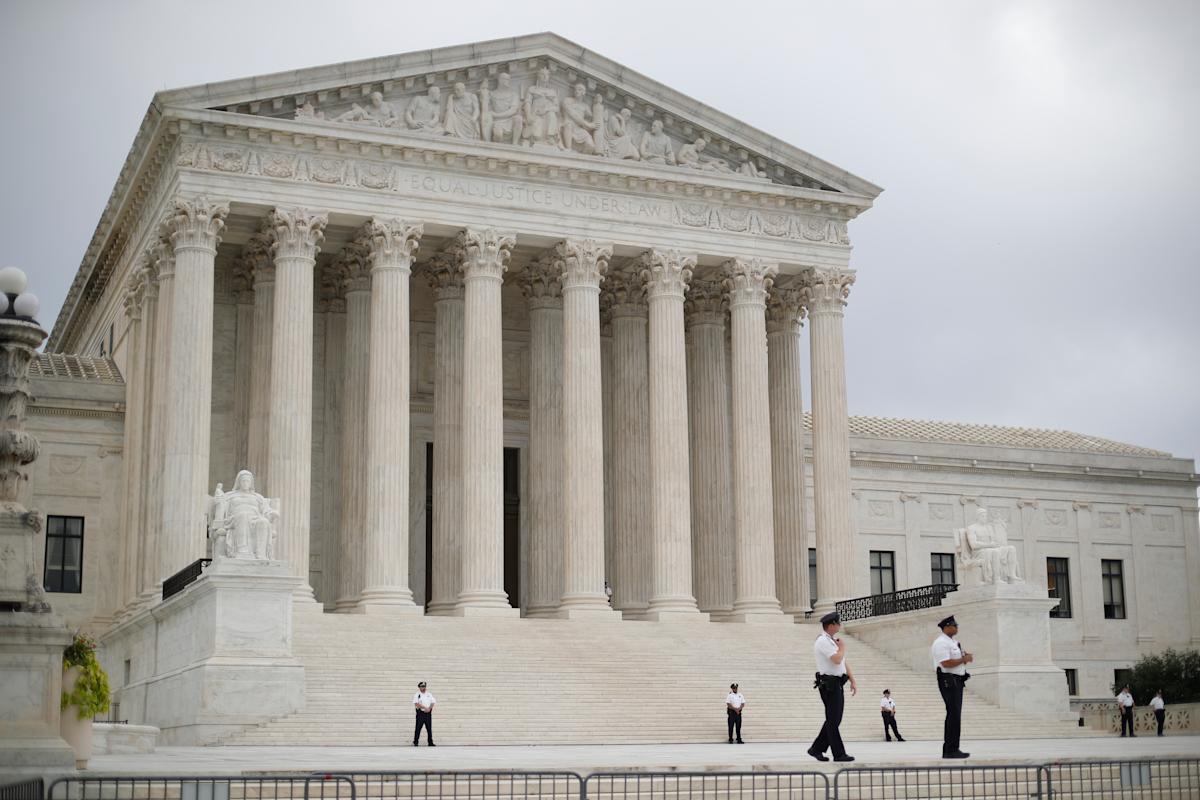
Key facts
- Supreme Court: The Supreme Court declined to review Mississippi’s social media age-verification law.
- Law Details: This law mandates users verify their ages and requires parental consent for minors.
- Legal Challenge: NetChoice, representing major tech companies, argues the law violates the First Amendment.
- Current Status: The Mississippi law remains in effect as legal challenges continue.
The Supreme Court has decided not to weigh in on one of the many state-level age-verification laws currently being reviewed across the country. Today, the top court chose not to intervene on legislation from Mississippi about checking the ages of social media users, an application to vacate stay from NetChoice.

The Mississippi law requires all users to verify their ages in order to use social media sites. It also places responsibility on the social networks to prevent children from accessing “harmful materials” and it requires parental consent for minors to use any social media. NetChoice represents several tech companies — including social media platforms Facebook, Instagram, Snapchat, and YouTube — and it sued to block the law on grounds that it violates the First Amendment. A district court ruled in favor of NetChoice, but the 5th Circuit Court of Appeals lifted its temporary block.
Although Justice Brett Kavanaugh denied the application to vacate stay on the appeals court ruling, he also wrote that “NetChoice has, in my view, demonstrated that it is likely to succeed on the merits—namely, that enforcement of the Mississippi law would likely violate its members’ First Amendment rights under this Court’s precedents.” He denied the application because NetChoice “has not sufficiently demonstrated that the balance of harms and equities favors it at this time.” This decision means that, at least for now, Mississippi’s law will be allowed to stand.
“Justice Kavanaugh’s concurrence makes clear that NetChoice will ultimately succeed in defending the First Amendment,” said Paul Taske, co-director of the NetChoice Litigation Center. “This is merely an unfortunate procedural delay.”
There are several other state laws being assessed at various points in the US legal system. Some are centered on adult content providers such as California, while others are more broadly targeting social media use. Texas and Florida have seen federal judges block their laws, while Virginia and New Jersey are working toward adopting their own rules about social media for minors.
Yahoo, the parent company of Engadget, is a member of NetChoice.


 Daniel Mercer
 Brandon Fletcher