David Bridges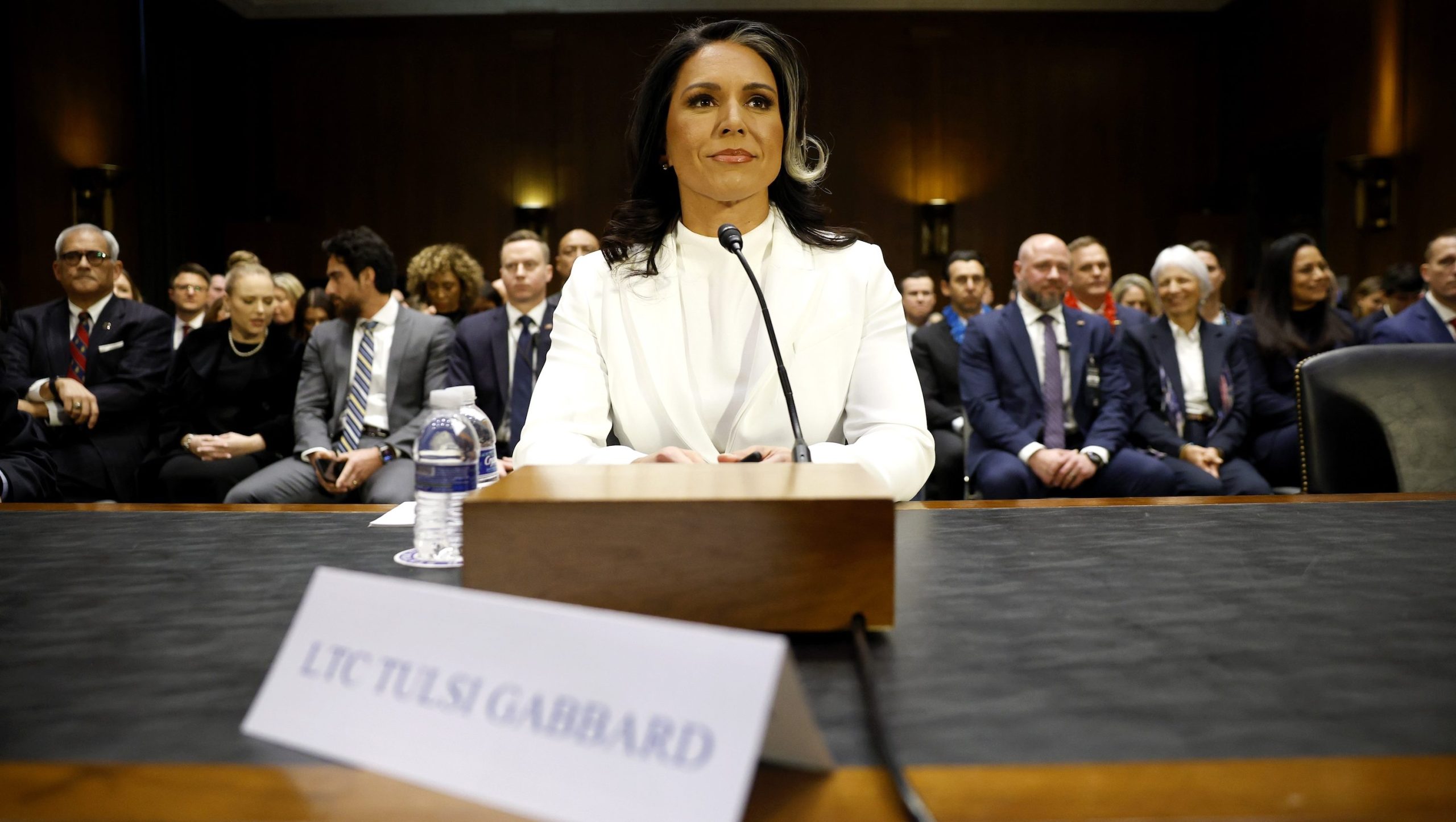

Former Democratic Congresswoman Tulsi Gabbard, who has been nominated by President Donald Trump for the pivotal role of Director of National Intelligence, is currently navigating the rigorous approval process to officially take on this essential position in the U.S. government. This nomination highlights her controversial shift from a Democratic candidate to a vocal supporter of Trump, raising eyebrows and sparking discussions regarding her qualifications and political alignment.
If confirmed, Gabbard would step into the crucial role of the nation’s foremost intelligence leader, tasked with the significant responsibility of overseeing the preparation and delivery of President Trump’s daily intelligence briefings. This role is vital for national security, as it involves synthesizing critical information from various intelligence agencies to inform the President’s decisions and strategies on pressing national and international issues.
In 2022, Gabbard made headlines when she publicly announced her departure from the Democratic Party, expressing her views in a video shared on X on October 11. She characterized the party as being “under the complete control of an elitist cabal of warmongers, who are driven by cowardly woke-ness,” suggesting that these factions manipulate the national security apparatus to target their political adversaries. This bold declaration has further solidified her reputation as a polarizing figure in American politics.
For those interested in the intricacies of the Director of National Intelligence role and the latest developments surrounding Gabbard’s confirmation hearing, further insights and updates are available below. This position is crucial not only for national security but also for the strategic direction of U.S. intelligence operations.
The Crucial Responsibilities of the Director of National Intelligence
The Director of National Intelligence (DNI) plays a pivotal role in overseeing and coordinating the comprehensive activities of the U.S. Intelligence Community (IC), which encompasses key agencies such as the CIA, NSA, and FBI. The DNI’s responsibilities include ensuring seamless intelligence sharing across various agencies to support national security decision-making. Additionally, the DNI provides the President and senior officials with timely and accurate intelligence assessments, which are essential for informed policymaking. This role also entails managing the budget allocated to intelligence agencies and serving as the principal advisor to the President on all intelligence-related matters, highlighting the importance of this position in shaping national security policies.
The appointment of the DNI is a significant decision made by the President with the advice and consent of the Senate, ensuring that this critical position is filled by someone with the necessary qualifications and experience to navigate the complexities of national intelligence and security.
Tulsi Gabbard’s Confirmation Hearing Date and Details
Tulsi Gabbard’s confirmation hearing took place before the Senate Intelligence Committee on January 30, a significant event that garnered widespread attention and scrutiny. This hearing is a crucial part of the confirmation process, allowing senators to question the nominee on their qualifications, views, and plans for the role of Director of National Intelligence.
Current Status of Tulsi Gabbard’s Confirmation Process
As of the latest updates, Tulsi Gabbard has yet to receive confirmation for the position of Director of National Intelligence. This delay raises questions about her future in this key role, as various factors influence the confirmation process, including political dynamics and public opinion regarding her candidacy.
During her confirmation hearing, several concerns emerged, and Gabbard’s responses did little to alleviate the apprehensions of some senators. As one of President Trump’s more controversial nominees, there is considerable uncertainty surrounding her approval for this significant position, highlighting the challenges she faces in this political landscape.
One prominent concern raised by numerous Republican senators revolves around Gabbard’s stance on former National Security Agency contractor Edward Snowden, who became a controversial figure after leaking classified information that unveiled the extensive global surveillance programs operated by the U.S. government. Senators pressed Gabbard to denounce Snowden as a “traitor” and acknowledge that he “harmed” U.S. national security, but Gabbard’s refusal to label him in such terms has raised further questions about her perspectives on intelligence and security issues.
[ad_2]

 Troy Sanders