David Bridges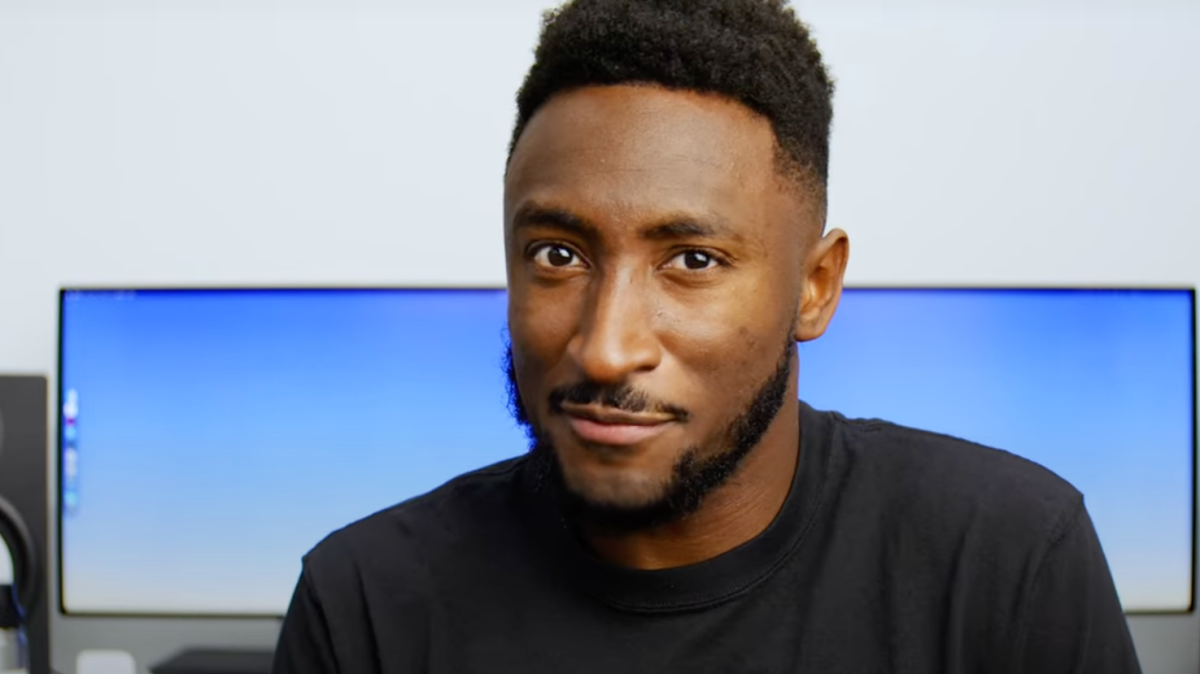
In a recent eye-opening exposé, YouTuber MegaLag unveiled a compelling 23-minute video detailing serious allegations against Honey, a popular free browser extension that claims to help online shoppers find the best coupon codes available. As a subsidiary of PayPal, Honey has collaborated extensively with various influencers and content creators, sponsoring videos and running targeted advertisements to promote their service. This revelation has stirred significant discussions about the integrity and transparency of such partnerships.

MegaLag boldly stated, “I hate to break it to you, but your favorite influencers sold you a lie,” declaring that “Honey is a scam.” This assertion raises important questions about the trustworthiness of influencer marketing, especially in a landscape where many rely on these figures for honest recommendations.
The video outlined several serious accusations, including claims that Honey has appropriated affiliate revenue intended for the influencers who endorsed certain products. Additionally, MegaLag alleged that Honey has entered agreements with retailers to apply preferred discount codes rather than the most beneficial ones for customers. If these claims are substantiated, both the influencers and the online shoppers who relied on Honey’s services may have been misled, highlighting potential ethical breaches in their business practices.
Get ready for these scams in 2025
MegaLag’s video has gained over 14 million views as of January 1, sparking widespread praise for the thorough investigation while also leaving viewers shocked by the alleged deceptive tactics employed by Honey. Following this, renowned YouTuber Marques Brownlee, who had previous collaborations with Honey, released his own video addressing the controversy, adding another layer of discourse to the unfolding situation.
In his video, Brownlee expressed regret, stating, “Obviously, if I had known any of this, I never would’ve worked with Honey.” This sentiment resonates with many creators who may now feel conflicted about their partnerships and the implications of promoting a service that could potentially mislead their audiences.
On December 29, a group of lawyers representing content creators who partnered with Honey filed a class-action lawsuit against PayPal, seeking damages exceeding $5 million. Notably, Brownlee was not named as a plaintiff, but the lawsuit could have significant ramifications for both Honey and PayPal, potentially reshaping the landscape of influencer marketing.
A spokesperson for PayPal responded to the accusations, highlighting the benefits of Honey in a statement to Law.com, which covered the lawsuit extensively. The spokesperson remarked, “Honey is free to use and provides millions of shoppers with additional savings on their purchases whenever possible.” They emphasized that Honey assists merchants in reducing cart abandonment and enhancing sales conversion, while maintaining compliance with industry standards, including last-click attribution.
Topics
Social Good
Creators
var facebookPixelLoaded = false;
window.addEventListener(‘load’, function(){
document.addEventListener(‘scroll’, facebookPixelScript);
document.addEventListener(‘mousemove’, facebookPixelScript);
})
function facebookPixelScript() {
if (!facebookPixelLoaded) {
facebookPixelLoaded = true;
document.removeEventListener(‘scroll’, facebookPixelScript);
document.removeEventListener(‘mousemove’, facebookPixelScript);
!function(f,b,e,v,n,t,s){if(f.fbq)return;n=f.fbq=function(){n.callMethod?
n.callMethod.apply(n,arguments):n.queue.push(arguments)};if(!f._fbq)f._fbq=n;
n.push=n;n.loaded=!0;n.version=’2.0′;n.queue=[];t=b.createElement(e);t.async=!0;
t.src=v;s=b.getElementsByTagName(e)[0];s.parentNode.insertBefore(t,s)}(window,
document,’script’,’//connect.facebook.net/en_US/fbevents.js’);
fbq(‘init’, ‘1453039084979896’);
fbq(‘track’, “PageView”);
}
}


 Daniel Mercer
 Brandon Fletcher