Daniel Mercer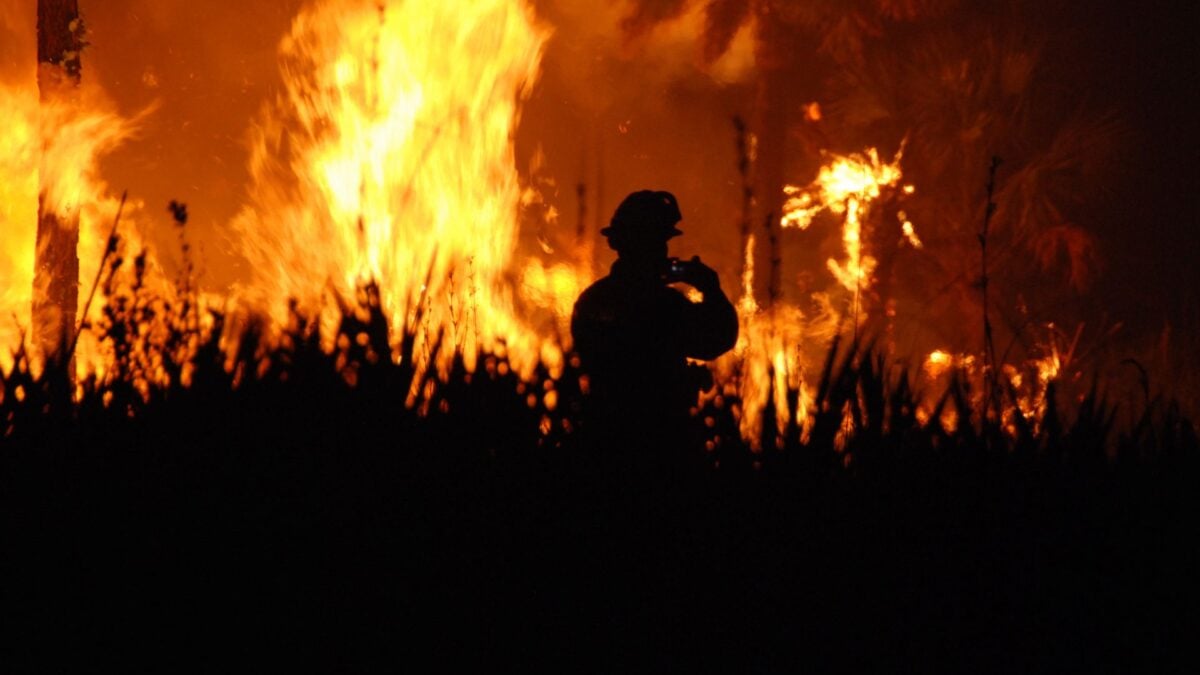
Wildfires are a natural disaster because they can devastate large areas of land and threaten lives, which matters for communities and ecosystems across the United States.

At SocialSchmuck, we specialize in Social media, Entertainment, Technology news, helping our audience stay informed about critical issues like wildfire management and environmental impacts.
Our platform provides timely updates, expert analysis, and community engagement, ensuring users are equipped with the knowledge to navigate these challenges.
This guide covers key aspects of the current wildfire situation, including:
- The early start of the 2026 wildfire season
- Federal response to wildfires
- Impact of climate conditions on fire activity
- Concerns regarding wildfire management restructuring
- Predictions for the upcoming fire season
What is the current state of wildfires in the U.S.?
As of March 20, 2026, over 1.4 million acres in the U.S. have been consumed by wildfires. This figure more than doubles the 10-year average for this time of year.
Currently, approximately 150 large fires are active across the nation, with nearly 200 additional fires emerging. The majority of these fires are concentrated in central states.
What are the largest wildfires currently burning?
The Morrill Hill fire in Nebraska has consumed over 640,000 acres, marking it as the largest wildfire ever documented in the state. Meanwhile, the National Fire in Florida’s Everglades has burned more than 35,000 acres in early March.
How are climate conditions affecting wildfire activity?
The early start to the 2026 wildfire season is primarily fueled by a historic snow drought and an intense heat dome over the western and central U.S. Record-high temperatures and extremely low humidity have created ideal conditions for wildfires.
As summer approaches, the potential emergence of a “super” El Niño could exacerbate these conditions, leading to an even more destructive wildfire season.
What challenges does the new Wildland Fire Service face?
The newly consolidated Wildland Fire Service aims to streamline federal wildfire response. However, many questions remain about its effectiveness and integration with existing fire management strategies.
Concerns have been raised regarding the timing of this reorganization amid a high-risk fire season. Critics argue that the rapid restructuring lacks adequate planning and transparency.
What are the implications of the Wildland Fire Service reorganization?
While the Department of the Interior claims firefighting capabilities will remain operational throughout the transition, the impact of this restructuring on wildfire management remains uncertain.
As the fire season progresses, the effectiveness of the Wildland Fire Service will be put to the test, with the safety of millions of Americans at stake.
How does the 2026 wildfire season compare to previous years?
| Year | Acres Burned | Active Fires | Average Temperature |
|---|---|---|---|
| 2026 | 1.4 million+ | 150+ | Record-high |
| 2025 | 800,000 | 100 | Above average |
| 2024 | 600,000 | 80 | Normal |
What can we expect as the wildfire season progresses?
Experts predict that the 2026 wildfire season could be one of the most destructive in history. With conditions worsening, fires may spread faster and threaten more communities than ever before.
The combination of climate factors and federal restructuring raises significant concerns about the preparedness and effectiveness of wildfire management strategies.
What are the key takeaways for communities at risk?
- Stay informed about wildfire conditions and evacuations.
- Understand the potential impact of climate change on fire activity.
- Engage with local fire management agencies for updates.
- Prepare emergency plans and kits for your family.
- Advocate for effective wildfire management policies.


 Ethan Carter