David Bridges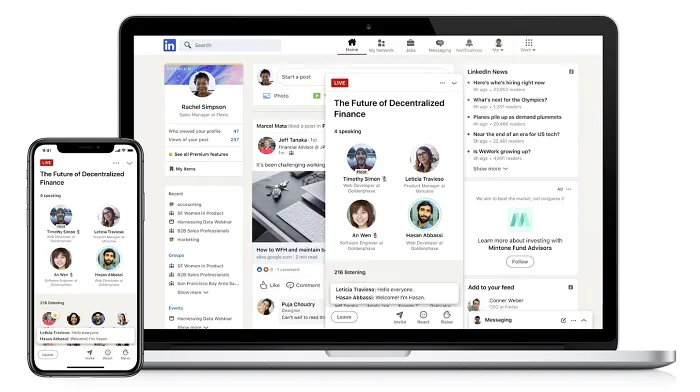

Do you recall the time when Clubhouse dominated the app landscape, with thought leaders eagerly heralding the resurgence of audio social platforms as a pathway to authentic connection and engagement?
Indeed, that initial excitement did not translate into lasting success, yet it prompted numerous major social media platforms to dive into the audio social phenomenon, driven by the fear of losing their audience if this trend proved to be a legitimate and sustainable shift in user behavior.
LinkedIn was among the platforms that embraced this trend, launching specialized live audio events in January 2022, closely resembling the format that made Clubhouse popular:
Fast forward to less than two years later, and LinkedIn is now phasing out its dedicated audio events feature, opting instead to integrate audio events into its existing live-streaming functionalities. This means while you can still host audio-only live events, you will need to incorporate a static image into the video field using a third-party tool.
This transition may not significantly impact most users, but it is noteworthy for LinkedIn marketers and content creators who relied on the original format for their strategies.
According to LinkedIn:
“We are updating our live event creation experience, bringing together our Audio Events and LinkedIn Live into a single entrypoint. From December 2, 2024, the creation of native Audio Events will no longer be available. If you have an Audio Event scheduled before December 31, 2024, you can host it as usual. If you have an Audio Event scheduled after that date, you must create a new event through LinkedIn Live by December 15, 2024, as the original event will be removed.”
Thus, live audio chatrooms on LinkedIn will no longer be available. However, it seems likely that these features were not widely utilized, suggesting minimal disruption to your current marketing strategy.
It’s intriguing to observe how technology trends can trigger multi-million dollar shifts that ultimately lead to minimal outcomes. For instance, Meta discontinued its various audio social features early last year, and while X continues to promote its Spaces feature, it has also diminished in significance within the app’s overall ecosystem.
Despite the challenges, X arguably achieved the most sustainable success with the format, as the app’s emphasis on real-time news fosters engaging live discussions. However, other platforms like Reddit failed to capitalize on this trend, and we’ve witnessed the once-enthusiastic interest in live audio gradually wane over time.
While the audio social experience was enjoyable while it lasted, it’s crucial to recognize that the emergence of new trends and shifts can provide valuable insights as platforms continually explore alternative avenues for user engagement.
Clubhouse continues to operate, albeit with a significantly smaller user base, yet it persists, creating new opportunities in various ways for users and content creators alike.
However, in the case of LinkedIn, the landscape is shifting, meaning your options for live audio engagements within the app are evolving.
If audio events were part of your marketing strategy, now is the time to reassess and adapt your approach to align with these changes.


 Tessa Everly