 Ethan Carter

For cinema enthusiasts, the induction of a film into the Criterion Collection signifies a noteworthy level of quality and significance. Equally esteemed, though less exclusive, is the Criterion Channel streaming service, which showcases a carefully curated, ever-changing selection of vital, influential, and critically acclaimed films and television shows. It serves as the modern equivalent of a local video store’s Staff Picks shelf—though this concept feels somewhat antiquated in today’s digital era.
It’s a momentous occasion that Hideaki Anno’s Neon Genesis Evangelion is now featured on the Criterion Channel in both its original Japanese language and the English dub—the version that aired on Adult Swim two decades ago, which many fans may not have revisited since then. This inclusion places it among other revered Criterion Channel titles like Blue Velvet, The Night of the Hunter, and The Umbrellas of Cherbourg. The allure of Criterion, both in its Collection and on the Channel, lies in its accessible presentation of esteemed works, which can appear to provide a shortcut to an education in appreciating fine art. While Evangelion certainly qualifies as exemplary art, its true depth emerges when viewers delve into the broader context surrounding the series.
Despite the rich narrative and thematic substance that captivates its fans—elements that Anno’s End of Evangelion film and the Rebuild of Evangelion series explore—at its core, the series belongs to the mecha anime genre. Within this genre, the most significant and iconic work, aside from Eva, would be Mobile Suit Gundam. Launched in 1979, Gundam rejected the “super robot” narrative prevalent in the 1950s and 1960s, effectively giving rise to a new sub-genre known as “real robot.”
In a “super robot” narrative, the giant robot is often portrayed as a superhero, created by ancient aliens or similar beings, battling monsters or other colossal robots. The “pilot,” typically a young boy, controls the robot through voice commands or mental connections. Conversely, “real robot” scenarios depict the robot as a tangible machine constructed by humans, operated like a vehicle using switches, levers, and pedals. The tone also shifts; one tends to embrace a more fantastical style, while the other leans toward hard science fiction.
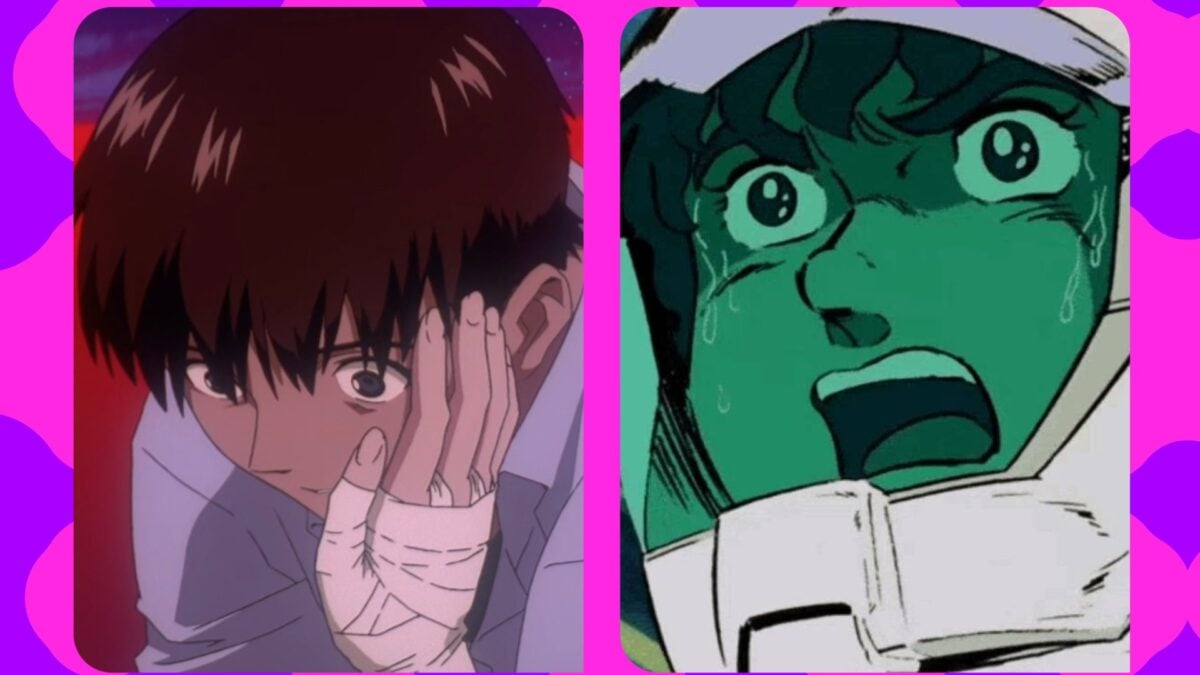
Despite their contrasting approaches, “super robot” stories retain a significant element that Gundam incorporated into its serious narrative: the young teenage protagonist piloting the robot. The inaugural episode of Gundam introduces Amuro Ray, a latchkey kid whose father, Tem Ray, contributed to the design of the prototype war robot known as the Gundam. With his father often absent but leaving behind classified documents, Amuro spends his time learning about the Gundam, making him the ideal candidate to pilot the robot and protect his home when danger strikes, leading to his conscription into a space war.
This narrative setup closely mirrors that of Evangelion, in which young Shinji Ikari is compelled to pilot a massive robot called an Evangelion by his father, Gendo Ikari. Gendo, the head of the organization that constructed the Evas, uses them for complex and often obscure purposes. Throughout Mobile Suit Gundam, Amuro grapples with the emotional toll of war, facing the reality of killing enemies and the constant peril confronting him and his friends. By the series’ conclusion, he reaches a breaking point, emotionally shattered, until the support of his friends and his complicated feelings for his rival help him regain his footing.
In contrast, Shinji experiences profound emotional turmoil almost instantly, with any progress he makes being undone by the time he visits fellow Eva pilot Rei in the hospital at the beginning of End of Evangelion (a scene that resonates with many viewers). If Gundam examined the old super robot fantasy of a child saving the day with a giant robot, Evangelion amplifies this concept to the point where the emotional fallout morphs into genuine horror. While Amuro’s life is deeply affected by war, he ultimately has friends and emerges relatively okay—aside from the relentless demands for more Gundam sequels that keep him embroiled in conflict. For Shinji, the world around him devolves into a nightmare, forcing him to confront the fundamental question of whether life holds any value.

However, it isn’t solely the giant robots that contribute to these characters’ struggles; their fathers play a significant role as well. Tem Ray becomes largely absent in Gundam after Amuro joins the military, having been drawn into space early in the story. When Amuro eventually reunites with his father, he is initially filled with joy, only to discover that the space ordeal has left Tem with brain damage, resulting in an obsession with the Gundam while neglecting his relationship with Amuro.
If Tem represents a flawed father, Gendo epitomizes the worst kind of paternal figure. He requires Shinji for his ambitious plans, yet he fails to recognize Shinji as a person. To Gendo, Shinji is merely a tool, much like the Eva he operates. This narrative escalation transforms part of Amuro’s emotional journey—his father’s rejection and absence, along with the horror of being used—into a central theme of the story.
In 2025, members of the Evangelion team had the opportunity to honor Gundam with the exceptional Mobile Suit Gundam GQuuuuuuX. Set in an alternate universe within the original Gundam timeline, this series was a collaboration between the established Gundam production company Sunrise and Hideaki Anno’s Studio Khara, specifically involving staff who had previously worked on Evangelion. The series primarily explores the legacy of Gundam while crafting a new narrative, which can be interpreted as a literal reflection of the relationship between the two anime. The Gundams featured in the show even sport teeth reminiscent of Evas, and one Gundam’s design appears to directly nod to the iconic purple-and-green color scheme of Eva Unit 01. In essence: They were very deliberate in their choices.
Neon Genesis Evangelion stands as a masterpiece, fully deserving of its place on the Criterion Channel. its emergence on Japanese television in 1995 was not a spontaneous event. to Hideaki Anno’s influences from Hayao Miyazaki—having contributed to the unforgettable “Giant Warrior” sequence in Nausicaä of the Valley of the Wind, which shares thematic elements with Evangelion—Eva is built upon and draws from some of the greatest anime ever created.
Want to stay updated with io9 news? Discover the best movies and TV shows to stream this month, along with all the upcoming sci-fi, fantasy, and horror books you should have on your radar.


 Daniel Mercer
 Brandon Fletcher