Daniel Mercer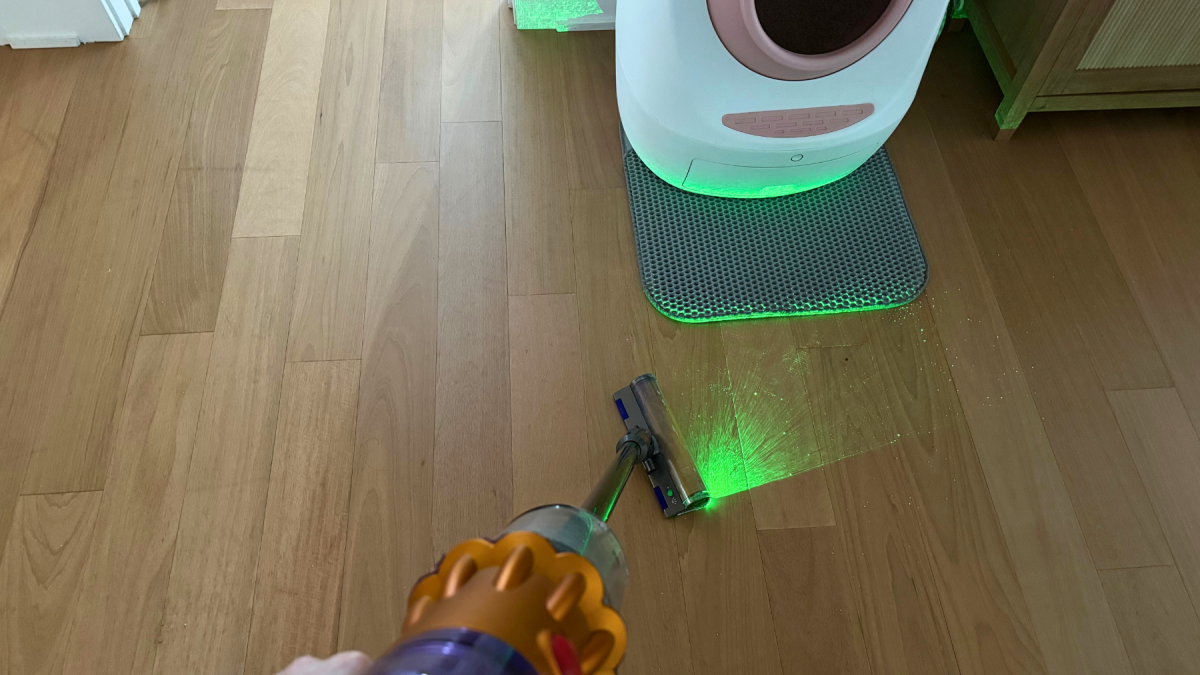

The choice between a robot vacuum and a stick vacuum ultimately hinges on your cleaning standards. Are you particular about cleanliness? Many people are drawn to the idea of effortlessly maintaining clean floors, but for some, the idea of a robot vacuum missing a crumb or swallowing a phone charger can be unsettling. Despite significant advancements in smart technology and cleaning capabilities in the past five years, even the leading robot vacuums of 2026 still fall short when compared to the precision offered by high-quality cordless stick vacuums operated by a human.
Cordless vacuums excel in accessing challenging areas. For tasks such as cleaning under couch cushions, in car seats, on stairs, or behind doors where dust gathers, a stick vacuum that can be used handheld offers unmatched versatility.
Your personal willingness to engage in cleaning plays a crucial role as well. If you dislike manual vacuuming to the extent that you delay it, a robot vacuum might actually ensure cleaner floors. Personally, I keep both types readily available and can advocate for the benefits of each, depending on the circumstance. While the convenience of a robot vacuum is hard to ignore, I often find myself reaching for a cordless vacuum more frequently.
Exploring Other Cordless Vacuums I’ve Evaluated
I have assessed various vacuum cleaners that did not make the final list. For instance, the Shark Detect Pro with its auto-empty station and the LG All-in-One Cord Zero also featuring an auto-empty station were once top picks but have since been eclipsed by newer, more efficient models that offer better value.
There are several older Dyson vacuums that still attract significant attention, yet I no longer recommend them when considering current alternatives. The Dyson V8 and the seemingly discontinued Dyson V10, which my parents own, often struggle with larger debris like cat food and rocks, leaving behind a layer of pet hair on darker carpets. Although these models were once considered powerful in the late 2010s, for about $300, you can find a more effective option—potentially even one with automatic emptying, similar to the Shark Detect Pro mentioned earlier. The only advantage is that Dyson includes the motorized hair screw tool with the V8 and V10 models.
I have also removed the Dyson V15 Detect Submarine from the list. It has been replaced by the Roborock 2-in-1 cordless mop, which provides a significantly better mopping experience overall. The swappable wet roller head turns the V15 Detect into a “mop,” but this design restricts airflow to the vacuum’s dust bin, resulting in ineffective wet suction. My tests showed that it merely spread liquid around rather than absorbing spills, leading to a messy clean-up that was prone to leaks and unpleasant odors. This model required excessive manual maintenance compared to the self-cleaning capabilities of the Roborock F25 Ace Combo.
Are Robot Vacuums as Effective as Cordless Models?
My experience with numerous robot vacuums at home has shown that while they offer convenience for managing the dust and crumbs accumulating throughout the week, cordless vacuums tend to outperform them when it comes to tackling stubborn debris like pet hair or fine particles embedded in carpet fibers or tucked into corners.
Cordless stick vacuums typically possess greater power than robot vacuums. Their upright design promotes better airflow and accommodates larger motors and advanced cyclone systems, generating enhanced suction force. Conversely, a robot vacuum’s motor is constrained by the low profile needed to navigate under furniture, limiting its potential power. The motor in an upright vacuum is often positioned separately from the vacuum head and roller brush, allowing for more efficient performance.
From a practical standpoint, a cordless vacuum is less likely to leave debris behind because the user can actively direct suction to areas requiring attention. This includes challenging spots that may not be detected by a robot vacuum, such as staircases or car interiors.
In certain scenarios, you might find a robot vacuum that rivals or exceeds the power of a stick vacuum. For example, both the Roborock Saros 10R robot vacuum and the Roborock F25 Ace cordless vacuum deliver impressive suction power of 20,000 Pa. robot vacuums with such capabilities usually come with a price tag of over $1,000, making stick vacuums a more budget-friendly option to achieve similar suction power. Even with comparable specifications, a cordless vacuum is likely to have a higher pickup efficiency over time since the user can assess when additional passes are necessary.


 Brandon Fletcher